
Last updated November 22, 2026
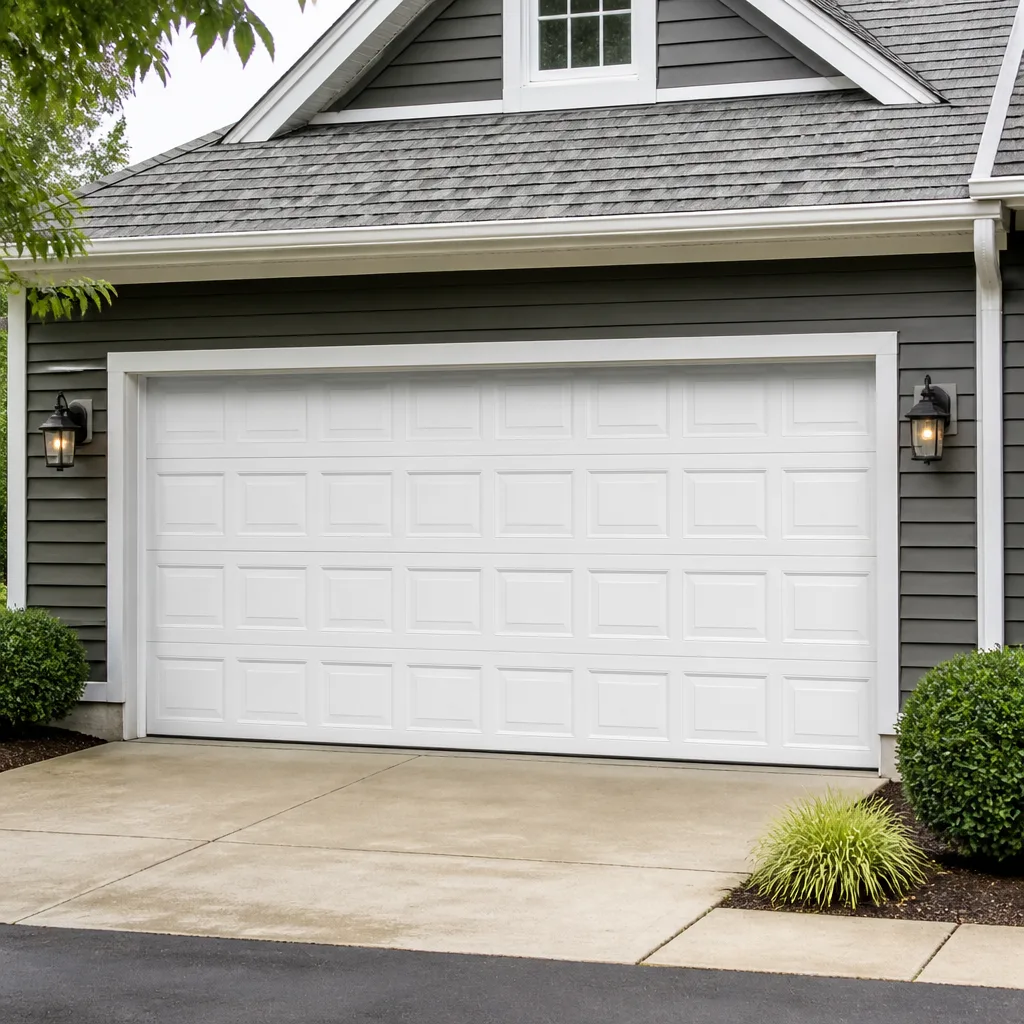 Raised-panel steel
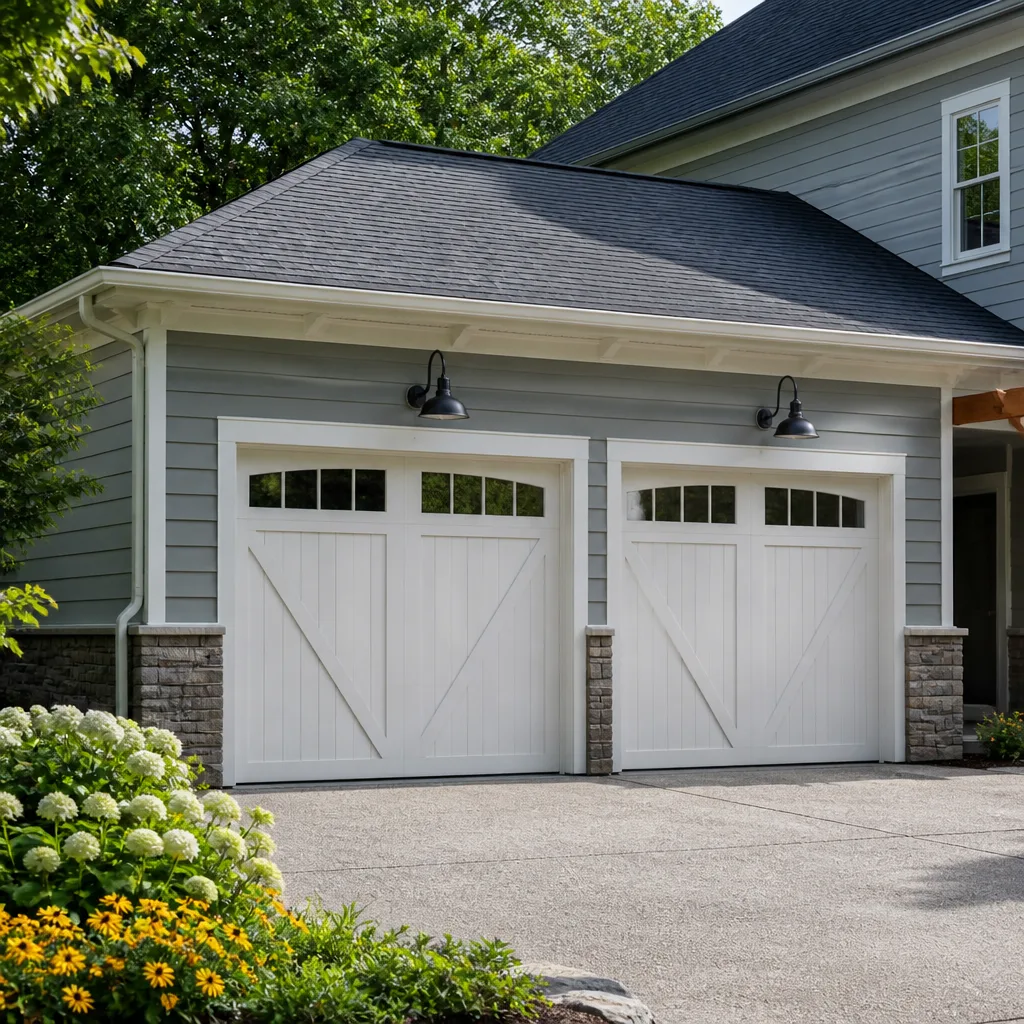 Carriage house
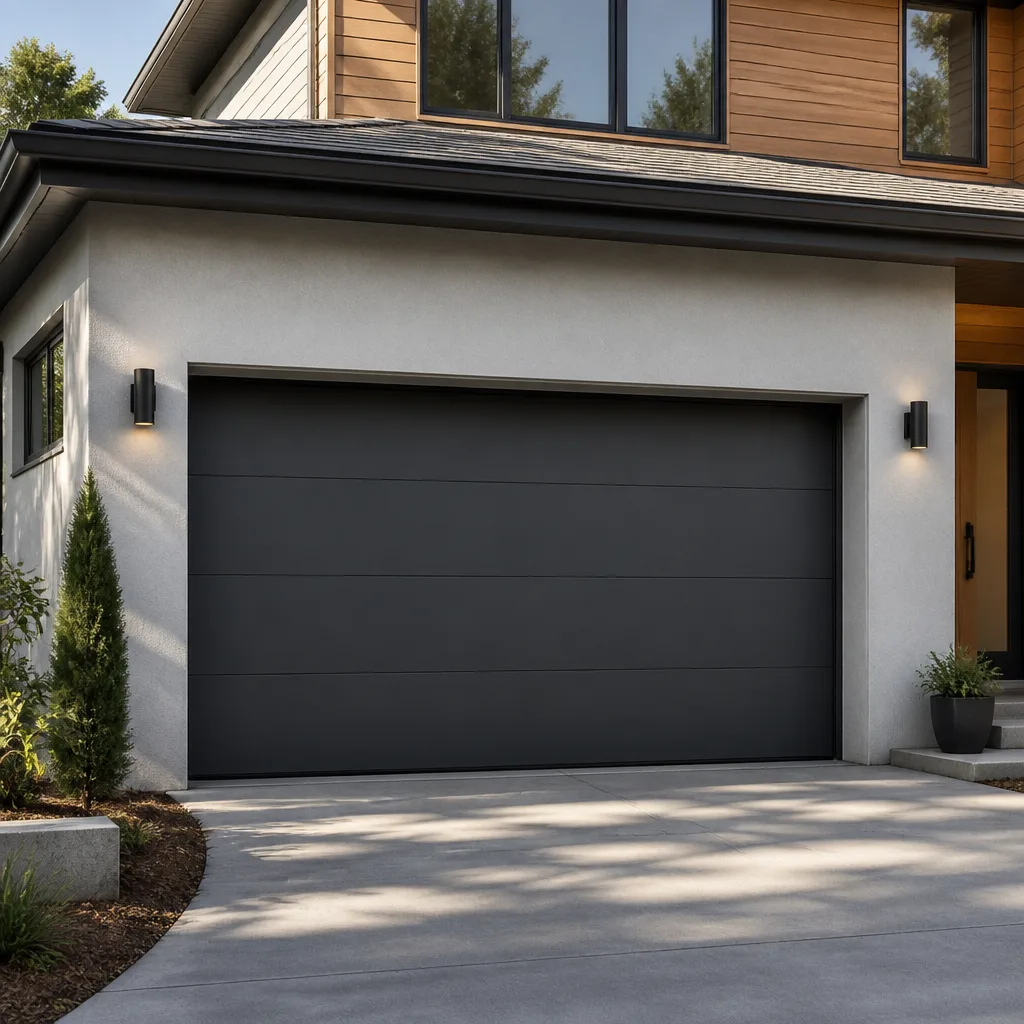 Modern flush
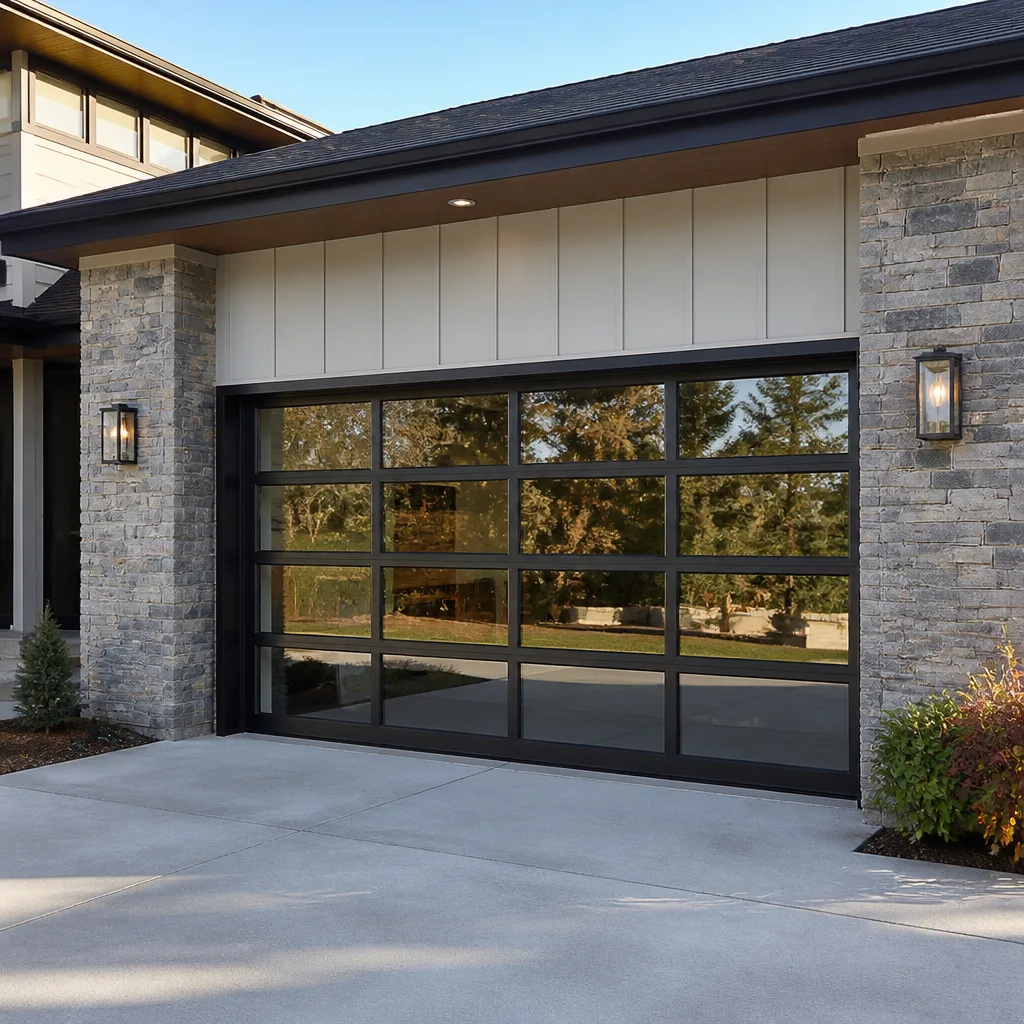 Full-view glass
 LiftMaster openers
 Chamberlain openers
Full 25-point door and opener safety check with every visit - springs, cables, rollers, tracks, and your LiftMaster or Chamberlain opener included
You get a price before we start. It does not change when the pro arrives.
Get your free estimateGarage Door Repair Maintenance Schedule: What to Do and When
Most homeowners treat a garage door like an appliance: ignore it until it breaks, then call someone. That approach works right up until a spring snaps with the car trapped inside. Here’s the part almost nobody does, and it’s free. Manually testing door balance once a quarter is the single best predictor of a spring failure in the months ahead, and it takes about fifteen seconds. This guide lays out a real month-by-month schedule built around what Crystal Lake weather actually does to garage door hardware, from the freeze-thaw cycle that loosens bolts every spring to the summer humidity that quietly rots weatherstripping. You’ll learn which tasks you can safely handle yourself, which ones demand a specialist, and why putting the wrong lubricant on a spring can shorten its life.
Quick Answer
A garage door needs three owner-level checks a year (balance, lubrication, and a hardware torque check) plus one professional inspection when the seasons turn, ideally pre-winter in October and a post-thaw check in April. Balance testing should happen quarterly since it’s the earliest warning sign of spring fatigue. Springs, cables, and torsion hardware should never be serviced by a homeowner because they’re under extreme tension. In Crystal Lake, the October pre-winter lubrication and April hardware check matter most because the local freeze-thaw cycle is what loosens fasteners and stresses metal.
Styles & brands we work with
- Raised-panel steel
- Carriage house
- Modern flush
- Full-view glass
- LiftMaster openers
- Chamberlain openers
Table of Contents
- Why Crystal Lake Doors Need a Different Schedule
- The Month-by-Month Maintenance Calendar
- The 15-Second Balance Test You Should Do Quarterly
- Which Lubricant Goes Where (and Why WD-40 on Springs Is a Mistake)
- The Hardware Torque Check: Find Loose Bolts Without Special Tools
- Owner-Serviceable Tasks vs. Specialist-Only Work
- Catching Spring Fatigue Before It Fails
- Opener and Safety-Reverse Maintenance
Why Crystal Lake Doors Need a Different Schedule
Generic maintenance advice tells you to “service your garage door once a year.” That’s too vague to be useful. What a door actually endures depends on where it lives. In Crystal Lake, hardware faces a specific combination of stresses you won’t find in a dry climate or a mild one.
Winter here means repeated cycles of freezing and thawing. Water gets into small gaps, freezes, expands, and pushes metal apart a fraction of a millimeter at a time. Multiply that across a season and bolts that were snug in November are loose by March. Springs, which are already under constant tension, expand and contract with temperature swings, and that fatigue adds up. Summer brings the opposite problem: humidity that softens and cracks weatherstripping, swells wood bottom sections on older doors, and works its way into hinges and rollers where it invites rust. Add road salt tracked onto the door’s bottom panel and threshold, and you’ve got corrosion points that a homeowner three states south never thinks about.
That’s why the schedule below isn’t just “do maintenance.” It’s tied to what’s happening to the door in a given month. Lubrication matters most right before the cold sets in, so grease is doing its job when temperatures drop. The post-thaw hardware check comes in April because that’s when winter’s cumulative loosening shows up. Pre-winter is also the right time to test balance, since a fatigued spring discovered in October can be replaced on a planned visit rather than as an emergency in January. This is the kind of seasonal thinking we build into every visit to a Crystal Lake home, and it’s what separates a real maintenance schedule from a checklist that sits on a shelf.
The Month-by-Month Maintenance Calendar
Here’s the schedule we recommend for Crystal Lake homeowners. Not every task lands every month, but the seasonal anchors (October, April) are the ones not to skip.
- January and February: Watch and listen. Cold months are when tired springs fail, so pay attention to odd noises, a door that feels heavier, or a door that doesn’t open all the way. Clear snow and ice from the threshold so the bottom seal isn’t torn by frozen buildup. Don’t lubricate in freezing temperatures; wait for a thaw.
- March: As things thaw, listen for new rattles. Freeze-thaw has been working on fasteners all winter. Don’t adjust anything yet, just note what sounds different.
- April: The post-thaw hardware check. Torque visible bolts on hinges and tracks, inspect rollers for flat spots, and run the balance test. This is the second most important maintenance moment of the year.
- May: Inspect weatherstripping along the sides and bottom for cracks or gaps left by winter. Clean the bottom seal and check the threshold for rust.
- June through August: Humidity season. Wipe down metal rollers with a light lubricant, check wood bottom sections for swelling or rot, and re-test balance monthly if a spring is aging.
- September: Clear gutters and check that water isn’t running toward the door’s base. Moisture at the bottom of the door accelerates rust and wood rot.
- October: The pre-winter lubrication pass. Apply the right lubricant to hinges, rollers, springs, and the opener’s drive mechanism. This is the most important maintenance moment of the year in Crystal Lake.
- November and December: Final balance test before the deep cold. Retire any door that’s harder to lift than it was in summer to a planned spring repair rather than an emergency call.
The pattern is simple: October preps the door for winter, April repairs what winter did. Everything between those two anchors is light observation. If you’re not sure whether what you’re seeing warrants a call, garage door repair starts with a free estimate, and a technician can tell you in a few minutes whether the door needs anything.
The 15-Second Balance Test You Should Do Quarterly
This is the task almost nobody does, and it’s the best early warning you’ll get. A balanced door should hold its position when you let go of it partway up. If it drops or rises on its own, a spring is losing tension.
- Close the door and pull the manual release cord on the opener to disconnect it. The door should now move by hand.
- Raise the door about halfway and let go. Stand clear of the door’s path.
- Watch what happens. A balanced door stays roughly where you left it. A door that sinks means the spring is losing tension. A door that rises means it’s over-tensioned or something is binding.
- Reconnect the opener. If the door dropped or rose, note it and plan a service visit before it fails.
Do this quarterly, and always do it before winter and after spring thaw. A door that passes in July but sinks in October is telling you something. In our experience, a door that fails the balance test in the fall is likely to fail outright within the next six months if nothing is done about it. That’s the whole reason this test earns the first spot in the maintenance schedule; it catches spring fatigue while the fix is a planned repair rather than a broken door with the car inside.
One safety note: never try to adjust or replace the spring yourself to fix a failed balance test. Torsion and extension springs are under extreme tension, and releasing that tension incorrectly can cause serious injury. This is exactly the work that belongs with a specialist: a dedicated garage door spring repair service exists because the job is dangerous and not a homeowner task, and it should be treated that way.
Which Lubricant Goes Where (and Why WD-40 on Springs Is a Mistake)
Lubrication is the task most homeowners get half right. Spraying the whole door with the first can you grab isn’t maintenance; it’s a way to attract dust, gum up the tracks, and make things worse.
The most common mistake is WD-40 on the springs. Standard WD-40 is a solvent and water displacer, not a lasting lubricant. It cleans off the existing grease and evaporates, leaving the spring drier than it started. Applied repeatedly, it can actually accelerate wear. The same goes for the tracks: they’re meant to stay clean and dry, not greasy, because grease traps dust and grit that wears the rollers.
Here’s what goes where:
- Springs (torsion and extension): a purpose-made garage door lubricant or a lithium or silicone-based product that stays put. This is the one place a lasting lubricant matters most.
- Hinges and rollers: a light lithium or silicone spray, applied sparingly to the pivot points, not the roller wheels themselves.
- Opener chain or drive mechanism: follow the manufacturer’s recommendation. For a LiftMaster or Chamberlain chain drive, that’s usually a specific chain lubricant, not a general-purpose spray.
- Tracks: nothing. Wipe them clean with a dry cloth. If a track is bent or misaligned, that’s a repair, not a lubrication problem.
- Weatherstripping and seals: a silicone spray to keep rubber from drying and cracking, especially before winter.
The right time for the full lubrication pass in Crystal Lake is October, before the cold settles in, so the lubricant is in place when it’s needed most. If you have a Genie or Clopay system with specific manufacturer guidance, follow that over general advice. When you’d rather have it done right, garage door opener repair and maintenance visits cover the opener side, and the door itself gets the same attention during the same visit.
The Hardware Torque Check: Find Loose Bolts Without Special Tools
Vibration is what loosens hardware, and in Crystal Lake the freeze-thaw cycle accelerates it. Every open and close sends a small vibration through the door, and over a season those vibrations work bolts loose. The problem is you can’t see a loose bolt; you have to feel for it.
You don’t need a torque wrench. A socket set or an adjustable wrench and a few minutes are enough. Here’s where to look:
- Hinge bolts: the bolts that attach hinges to the door panels. With the door closed, grip each hinge and try to wiggle it. Any movement means a loose bolt. Tighten snugly, don’t overtighten.
- Track brackets: the brackets that hold the vertical and horizontal tracks to the door frame and ceiling. Push on each track; any flex at the bracket is your cue.
- The opener’s rail bolts: where the rail attaches to the opener head and to the door’s header bracket. These take the most vibration.
- The bottom bracket and roller plates: check the fasteners that hold the bottom section and roller carriers. Look for rust streaks, which often form where a bolt has loosened and let water in.
Do this check in April, right after the spring thaw, because that’s when the accumulated winter loosening is at its peak. Tighten what needs tightening, and note anything that feels cross-threaded or stripped. Metal fatigue on a bolt is a repair, not a tighten. If a bottom bracket or anything holding a cable looks questionable, leave it alone and call a specialist; those parts are under tension. This is one of the highest-value owner tasks because it’s simple, it costs nothing, and it prevents the kind of rattle that turns into a snapped hinge later.
Owner-Serviceable Tasks vs. Specialist-Only Work
A useful maintenance schedule has to be honest about where your involvement should stop. Here’s the split.
What you can safely do yourself:
- Quarterly balance test (pull the release, lift halfway, watch)
- Visual inspection for rust, cracks, and loose weatherstripping
- Lubrication of hinges, rollers, and springs using the right product
- Torque checks on hinge and bracket bolts with a wrench
- Cleaning tracks with a dry cloth
- Clearing snow, ice, and debris from the threshold
- Testing the safety-reverse feature (place an object in the door’s path and confirm it reverses)
What belongs with a specialist:
- Any spring work, including adjustment or replacement
- Cable replacement or adjustment (under the same tension as springs)
- Track alignment or straightening (a misaligned track can drop a door)
- Opener motor, gear, or circuit board repair
- Panel replacement after impact damage
- Roller or hinge replacement where the door must be supported and the spring released
- Any repair after a door has come off its tracks
The pattern follows one rule: if the task involves releasing or working against spring tension, stop. A door’s springs and cables are the only parts of the system that can hurt you if they let go, and no amount of caution makes them a homeowner job. The rest is genuinely maintenance you can handle. A garage door repair visit is the right call when something on the specialist list shows up, and it’s worth having a specialist look at the whole system once a year even if nothing seems wrong, because they’ll spot fatigue you can’t see.
Catching Spring Fatigue Before It Fails
Springs don’t last forever. They have a service life measured in cycles (open and close), and every door in Crystal Lake runs through its share each day. A fatigued spring doesn’t announce itself with a bang until the moment it breaks. What it does first is lose tension, which is exactly what the balance test measures.
Here’s what to watch for between the quarterly tests:
- A door that feels heavier than it used to. If you have to help the door up, a spring is losing tension.
- A door that opens unevenly, with one side lagging. On a two-spring door, that usually means one spring is giving out before the other.
- Visible gaps or stretching in an extension spring, or a torsion spring that looks different from the other one.
- A loud pop or bang from above the door; a torsion spring breaking often makes a sound like a gunshot.
- A door that won’t open at all, with the opener running but not lifting. A broken spring is the most common cause.
If you catch spring fatigue early, the repair is planned and straightforward. If you don’t, the failure happens on its own schedule, and it’s an emergency. That’s why spring repair is a named service we take seriously rather than a vague line item; the difference between a planned repair and a broken spring in a cold January is maintenance attention. Our technicians have up to 13 years of experience, and they’ll tell you honestly whether a spring is near the end of its life or has years left. When your door won’t move, we will. Call (844) 493-4287. We answer 24/7. Fast dispatch from 7am to 7pm, Sunday through Friday.
Opener and Safety-Reverse Maintenance
The opener gets less attention than the door, but it has its own maintenance needs. A LiftMaster, Chamberlain, Genie, or Craftsman unit will run for years with basic care, and that care is simpler than the door’s.
- Test the safety-reverse monthly. Place a roll of paper towels or a small object in the door’s path and close the door. It should reverse on contact or when the safety sensors detect the obstruction. If it doesn’t, stop using the opener and call for service.
- Clean the safety sensors. The small eyes on either side of the door get dusty and misaligned. Wipe them and check that the indicator lights are solid, not blinking.
- Lubricate the chain or drive per the manufacturer. A chain drive needs periodic chain lubricant; a belt drive usually doesn’t need it at all.
- Check the manual release. Make sure the cord and handle work; you’ll need them for the balance test.
- Listen for changes. An opener that’s louder, slower, or grinding is telling you something. Gear wear and bearing wear both start as a sound.
If your opener is an older Genie or Chamberlain and starting to act up, an opener repair is often all that’s needed. Our technicians are factory-familiar with all eight major door and opener brands, so they diagnose the actual installed system rather than guessing. A door and opener that are both maintained on the same schedule rarely surprise you.
Common Mistakes to Avoid
- Spraying WD-40 on the springs. It’s a solvent, not a lasting lubricant, and it can dry the spring and speed wear. Use a proper garage door lubricant instead.
- Greasing the tracks. Tracks should stay clean and dry. Grease traps grit and wears the rollers faster.
- Skipping the quarterly balance test. It’s the one free check that predicts spring failure months ahead. Fifteen seconds, every three months.
- Adjusting the spring yourself. A torsion or extension spring under tension is dangerous. This is the one part of the schedule to hand off entirely.
- Ignoring the post-thaw rattle. In Crystal Lake, the loose bolts that show up in March and April are winter’s work, and left alone they turn into a snapped hinge or a dropped door.
- Lubricating in freezing weather. Lubricant applied below freezing may not spread properly. Do the October pass before the cold sets in.
- Overlooking the weatherstripping. A cracked bottom seal lets in water, which is what starts rust and rot at the door’s base. Check it every spring.
See the difference
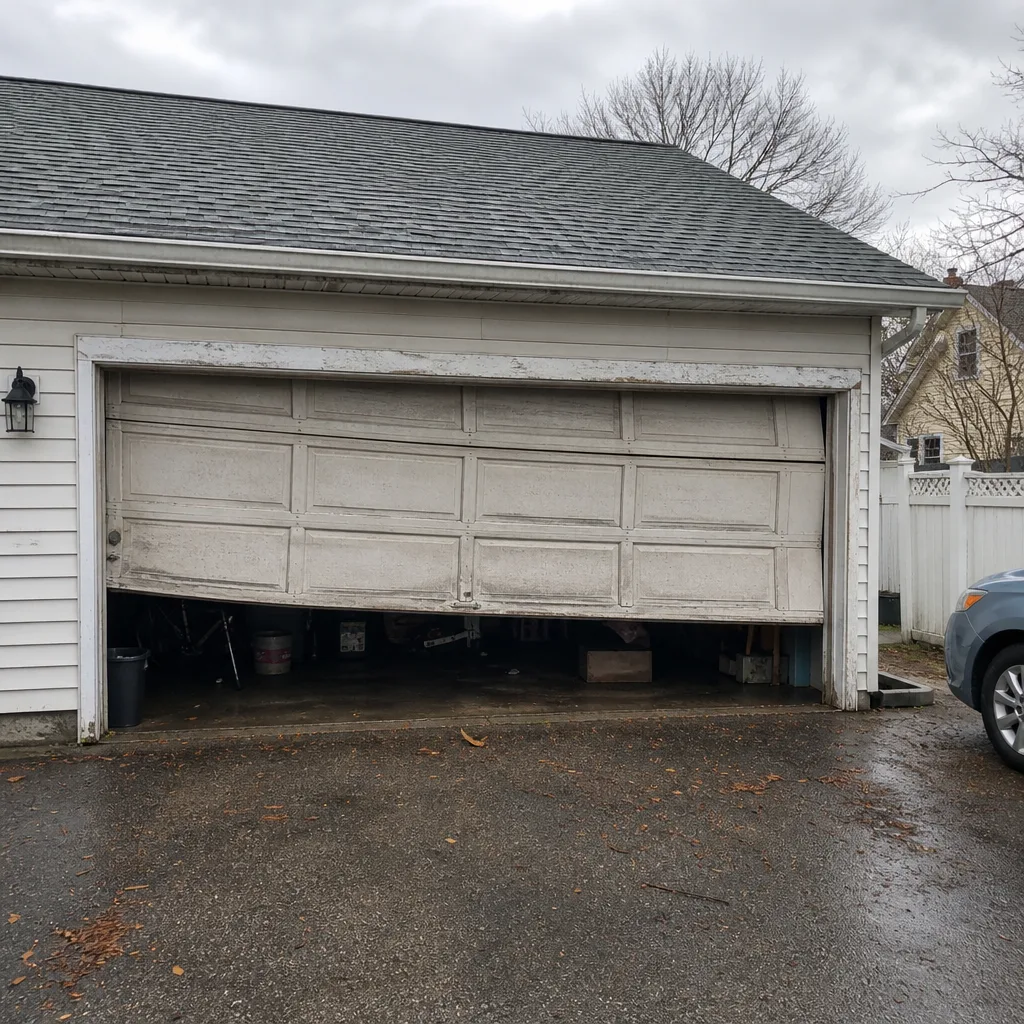 Before
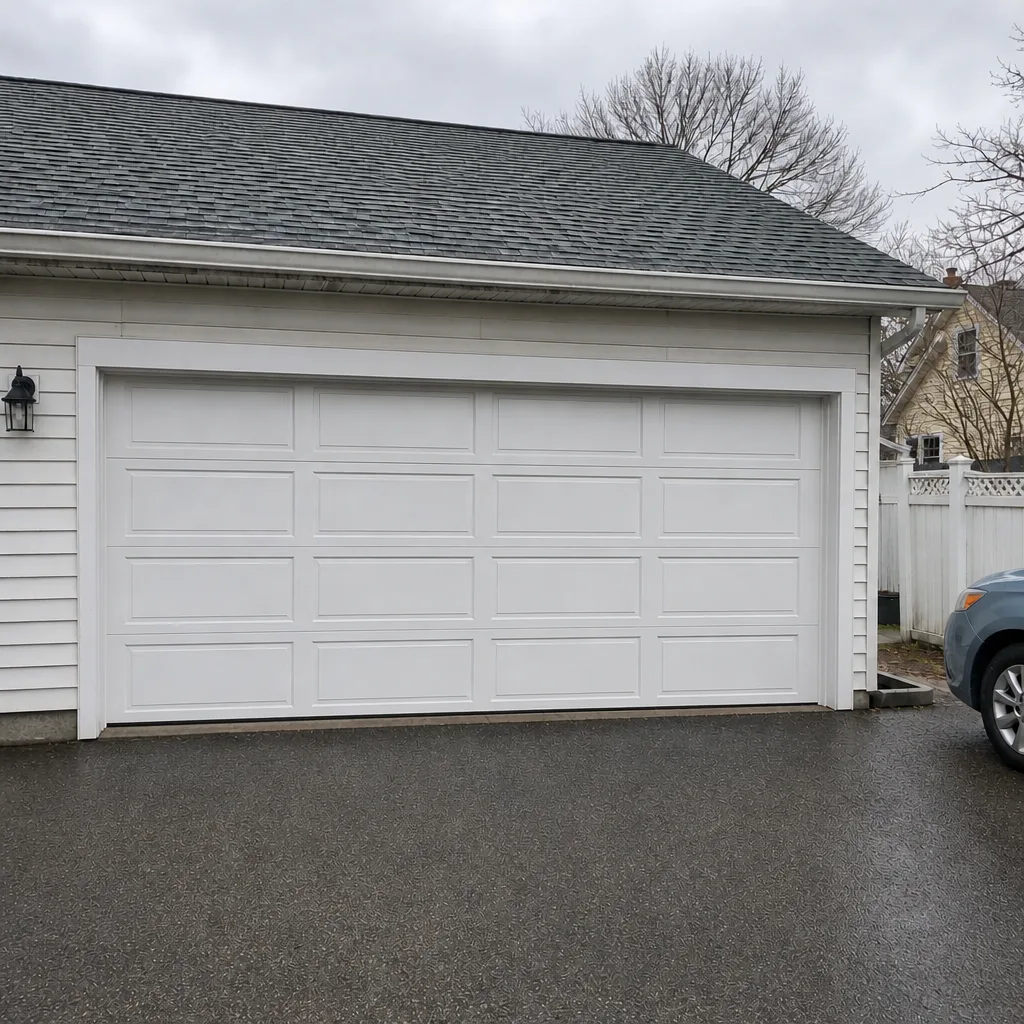 After
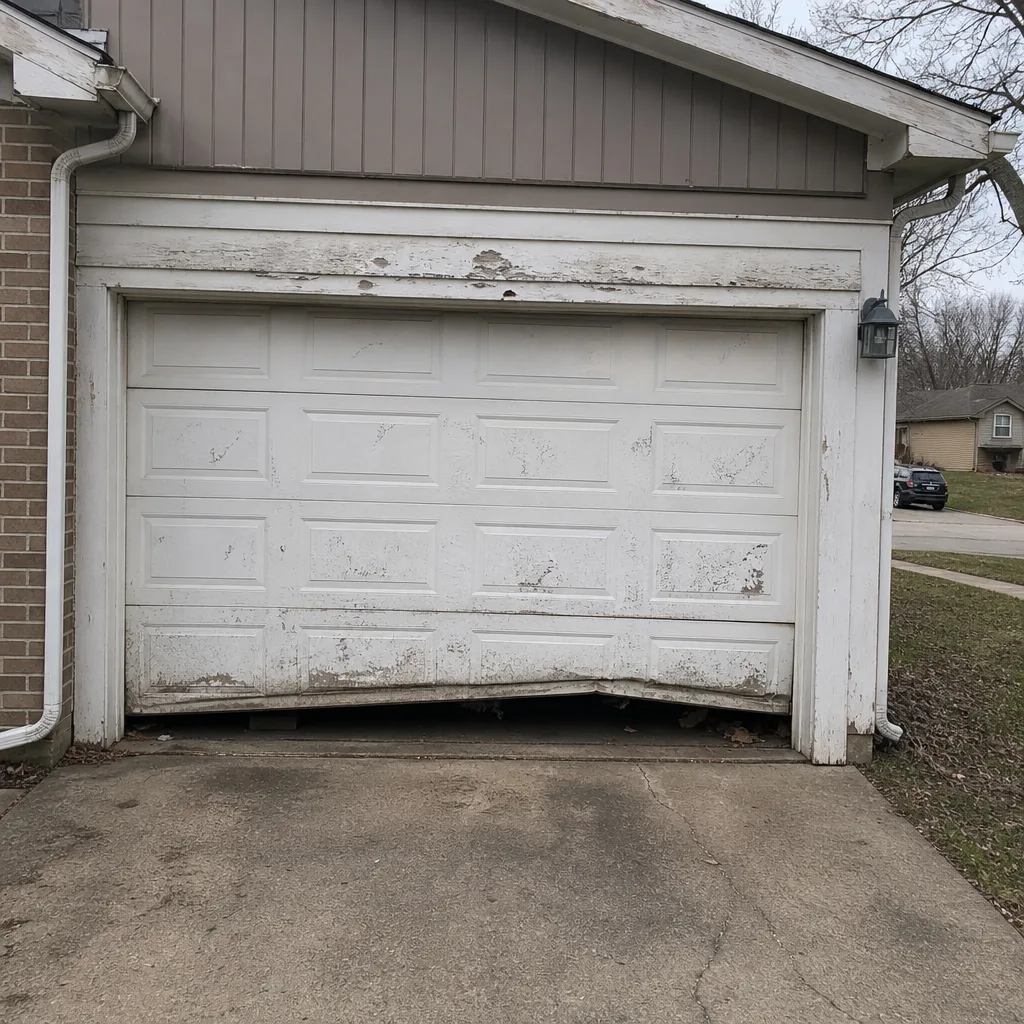 Before
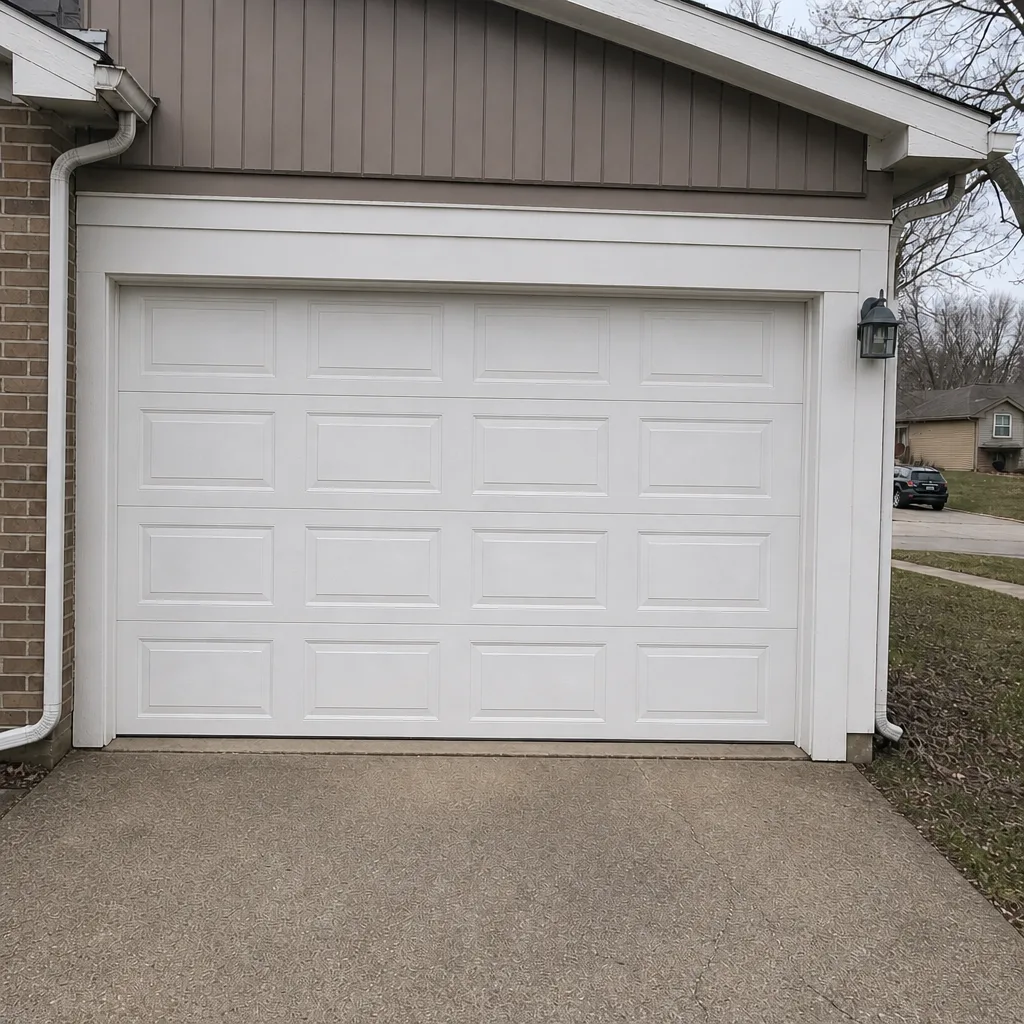 After
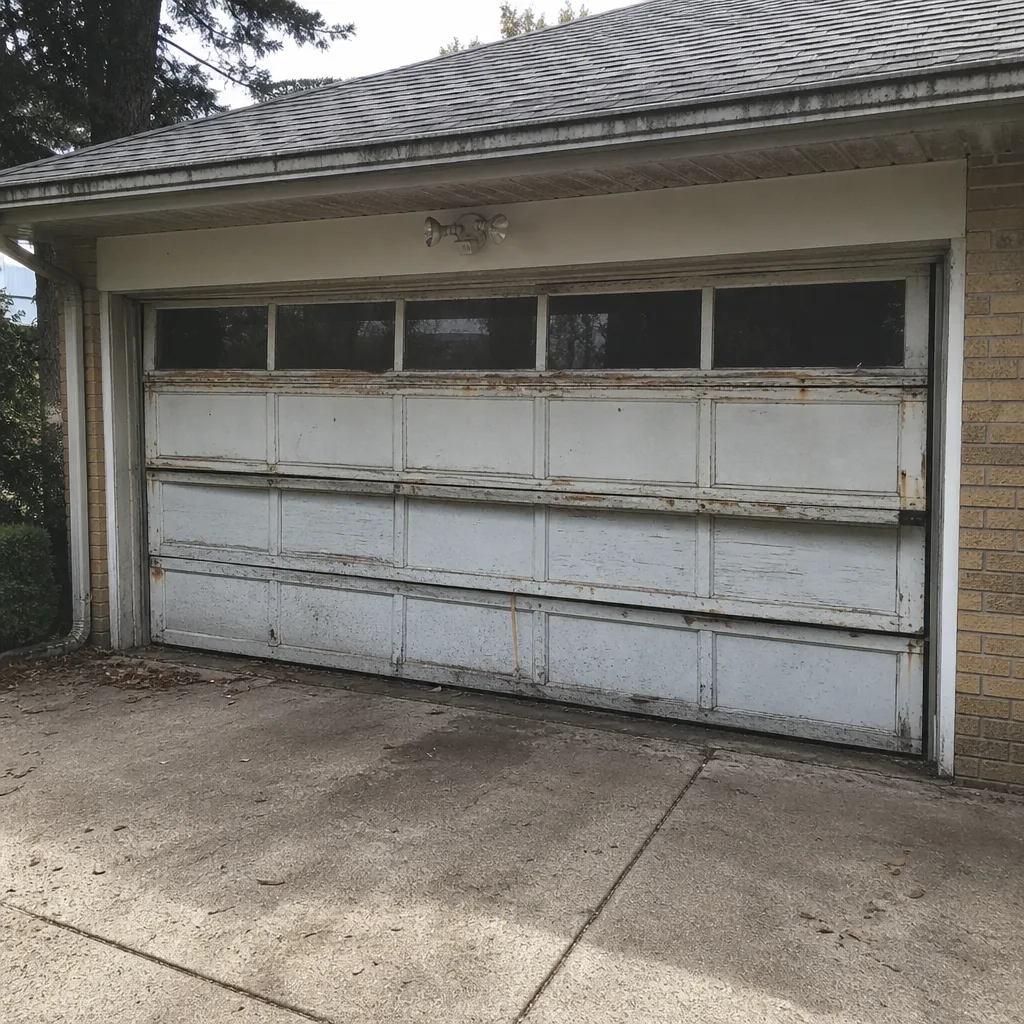 Before
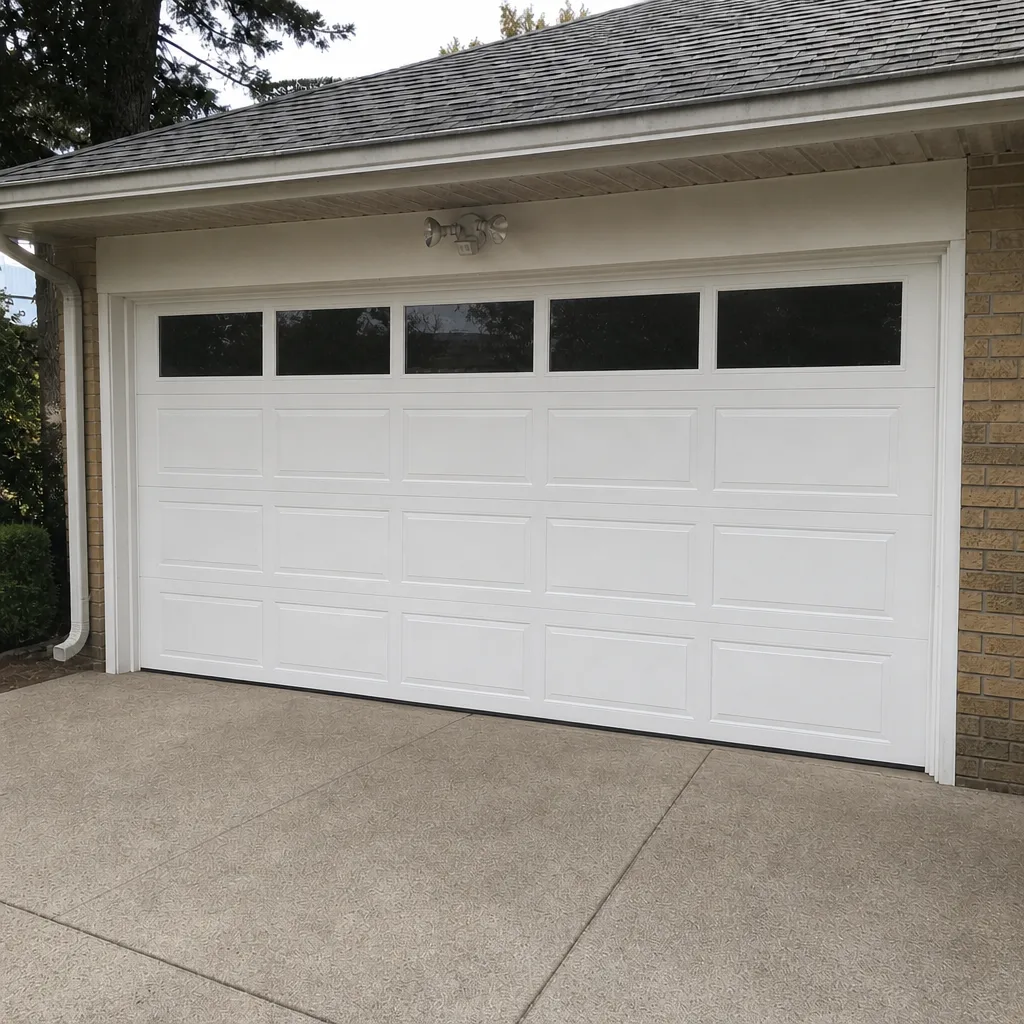 After
When to Call a Professional
Some maintenance is worth a call even if the door is working. Call a specialist when a balance test fails, when you hear a pop or bang from the spring area, when a cable looks frayed or loose, when the door won’t open or close evenly, or when a track has been bent or pushed out of line. Call after any impact damage, even if the door still moves, because a bent panel can stress the springs. And call once a year for a full inspection if you’d rather not track the calendar yourself. Crystal Lake Garage Door Repair Pros offers free estimates in Crystal Lake. Call (844) 493-4287, and we’ll tell you honestly whether the door needs work or just a little maintenance. Our technicians have up to 13 years of experience, and garage doors are all we do.
Frequently Asked Questions
Twice a year for a professional inspection, in October before winter and April after the spring thaw, plus three owner-level tasks you do yourself (quarterly balance tests, the October lubrication pass, and the April torque check). The seasonal anchors matter most here because Crystal Lake’s freeze-thaw cycle is what stresses hardware and springs, so timing the service to those turning points does more good than a single generic annual visit. Call (844) 493-4287 for a free estimate if you’d rather have a specialist set the schedule for you.
No. Garage door springs are under extreme tension and releasing that tension incorrectly can cause serious injury, which is why spring work belongs with a trained specialist. The rest of the maintenance schedule (balance testing, lubrication, torque checks, weatherstripping inspection) is safe for a homeowner, but the moment you’re looking at the spring or cable, stop and call. Spring repair is a dedicated service for a reason. Call (844) 493-4287 for a free estimate.
The balance test is the quickest way to catch spring fatigue: pull the manual release, lift the door about halfway, and let go. A balanced door stays where you left it; a door that sinks has a spring losing tension, and a door that rises may be over-tensioned or binding. Do it quarterly, and always before winter and after the thaw. If the door fails, call for service rather than adjusting anything yourself. Call (844) 493-4287 for a free estimate.
WD-40 is a solvent and water displacer, not a lasting lubricant. On a spring it cleans off the existing grease and evaporates, leaving the metal drier than before, and repeated use can speed wear. Use a purpose-made garage door lubricant or a lithium or silicone-based product instead, and save the WD-40 for loosening rusty bolts. If a spring looks dry or noisy, a maintenance visit with the right lubricant is a better fix than a spray can. Call (844) 493-4287 for a free estimate.
It can catch spring fatigue early, which is the difference between a planned repair and an emergency. A specialist can measure remaining tension, spot uneven wear between paired springs, and tell you whether the door is close to a failure; the balance test you do yourself catches the same warning signs. Nothing prevents a spring from eventually wearing out, but maintenance gives you notice. Call (844) 493-4287 for a free estimate in Crystal Lake.
Yes. Our technicians are trained on eight major door and opener brands, including LiftMaster, Chamberlain, Genie, Clopay, Amarr, Wayne Dalton, Craftsman, and Raynor, so they diagnose the actual installed system rather than guessing. That matters for maintenance because different brands have different lubrication and adjustment requirements. Whether you have a modern Clopay door or an older Genie opener, a maintenance visit covers it. At Crystal Lake Garage Door Repair Pros, garage doors are all we do. Call (844) 493-4287 for a free estimate.
The Bottom Line
A garage door doesn’t need a vague annual tune-up; it needs the right task at the right time. In Crystal Lake that means an October lubrication pass before the cold settles in, an April torque check to catch what the freeze-thaw cycle loosened, and a quarterly balance test to catch spring fatigue while it’s still a planned repair. Keep your hands off the springs and cables, use the right lubricant in the right places, and call a specialist for anything under tension or when a test fails. A door that’s maintained on this schedule rarely surprises you. When you’d rather have it handled, one call covers the whole system.
Call (844) 493-4287 for a free estimate. We answer 24/7. Fast dispatch from 7am to 7pm, Sunday through Friday. From broken spring to brand-new door, we work on your brand and diagnose it right the first time.
Written by the team at Crystal Lake Garage Door Repair Pros.