
Last updated November 22, 2026
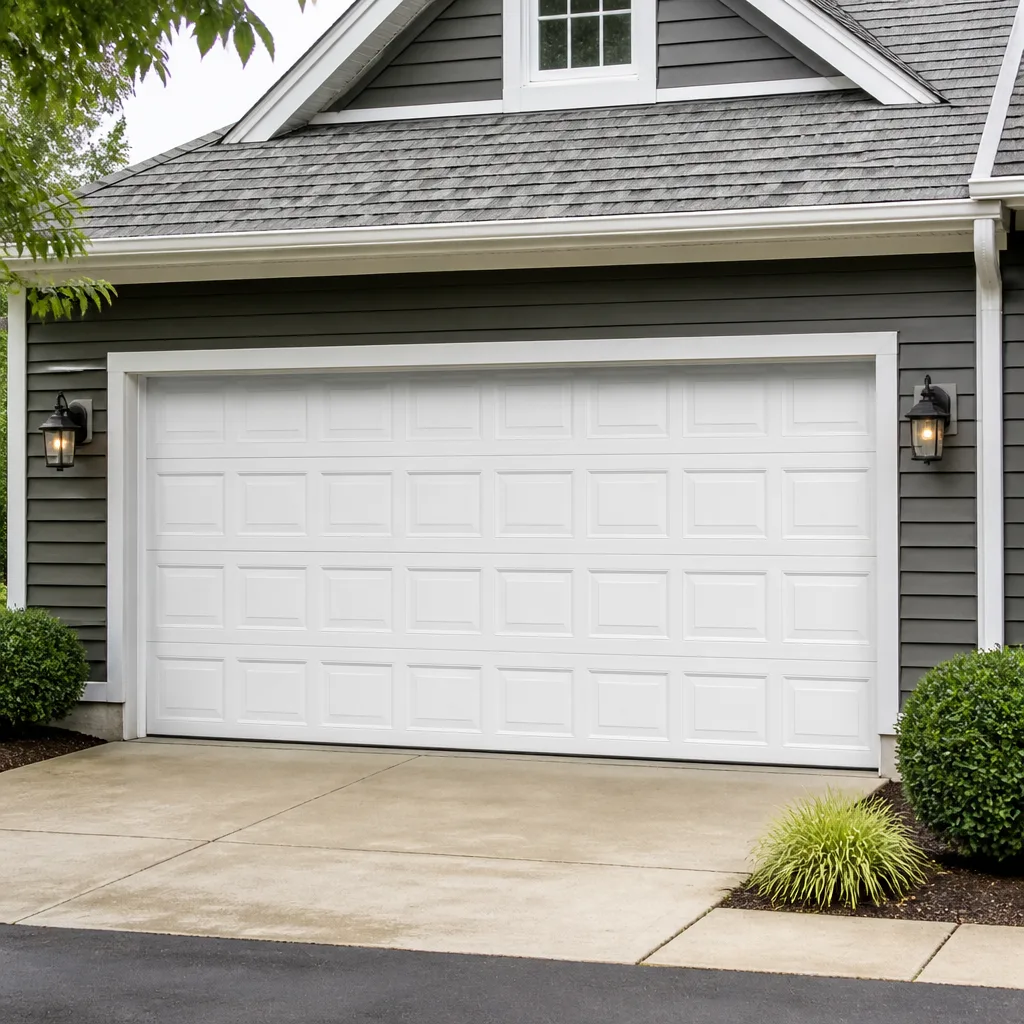 Raised-panel steel
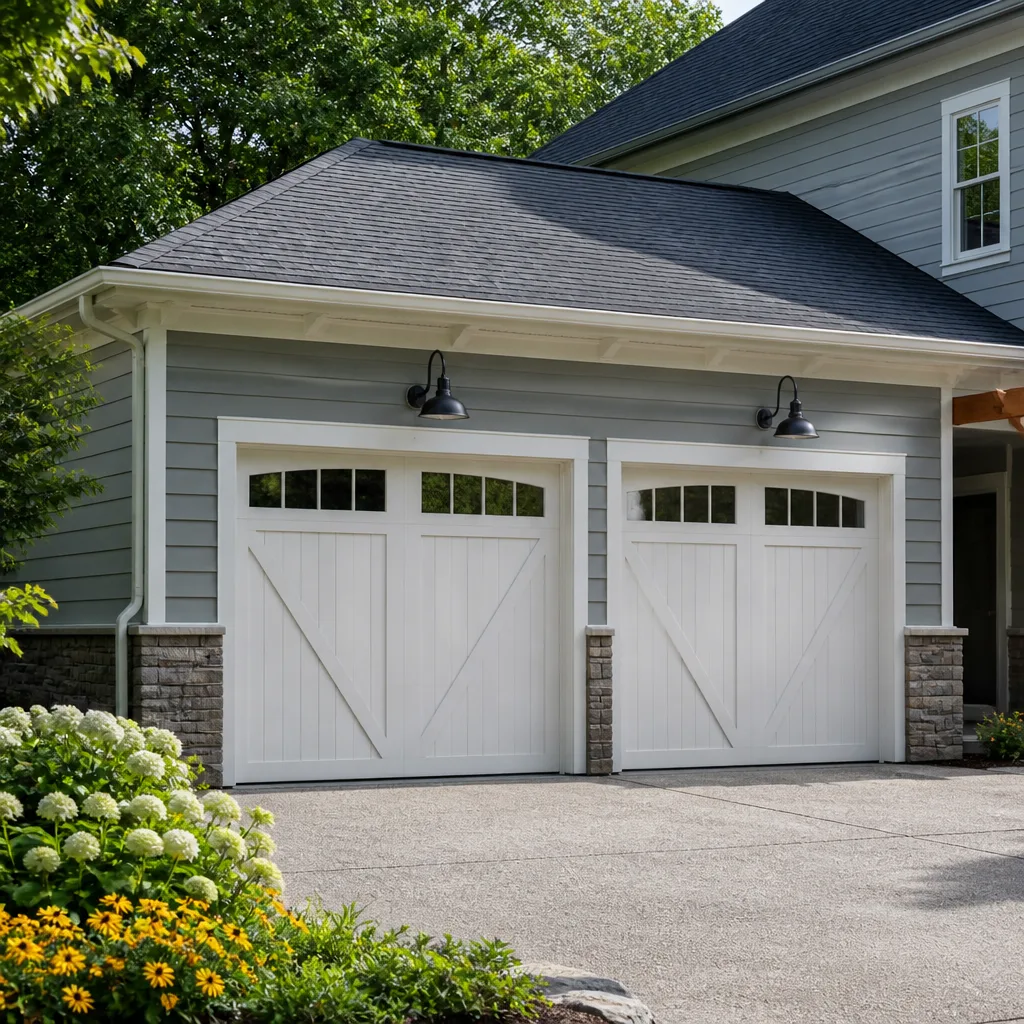 Carriage house
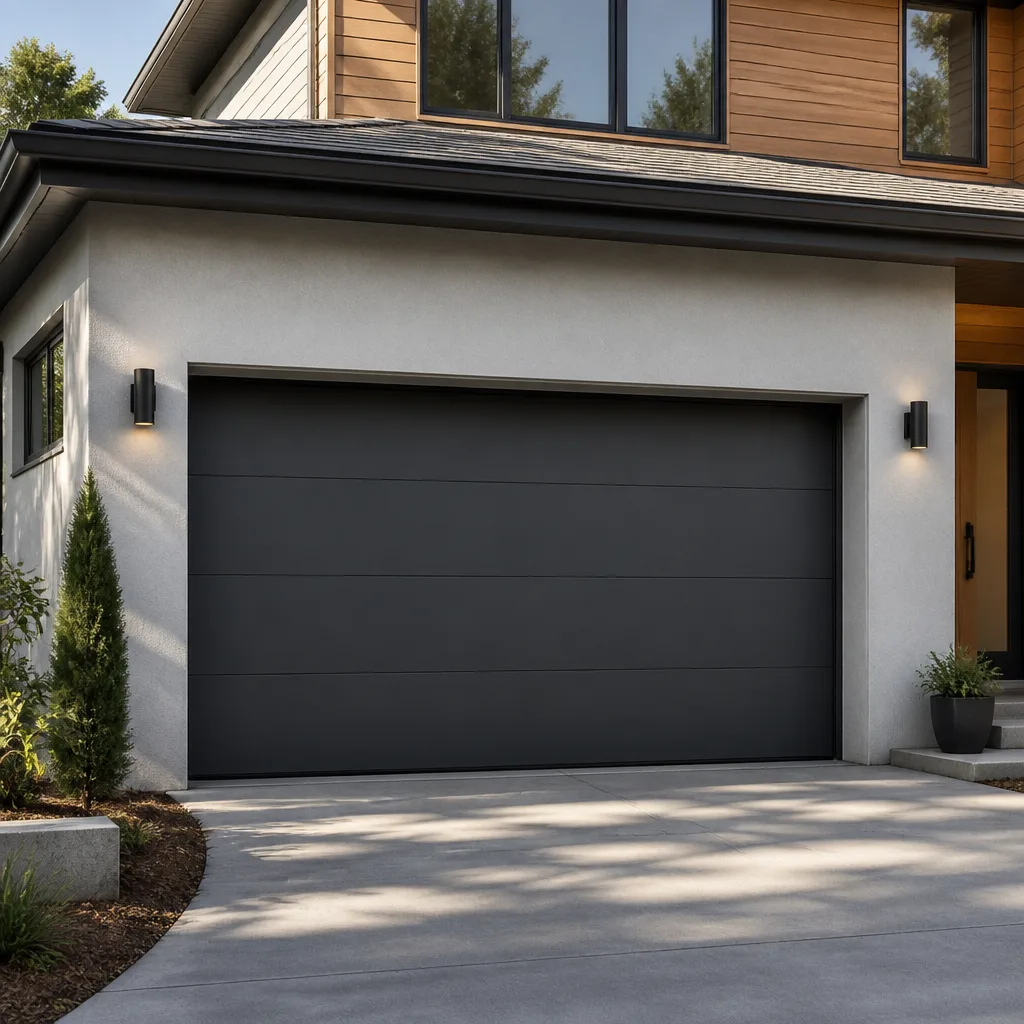 Modern flush
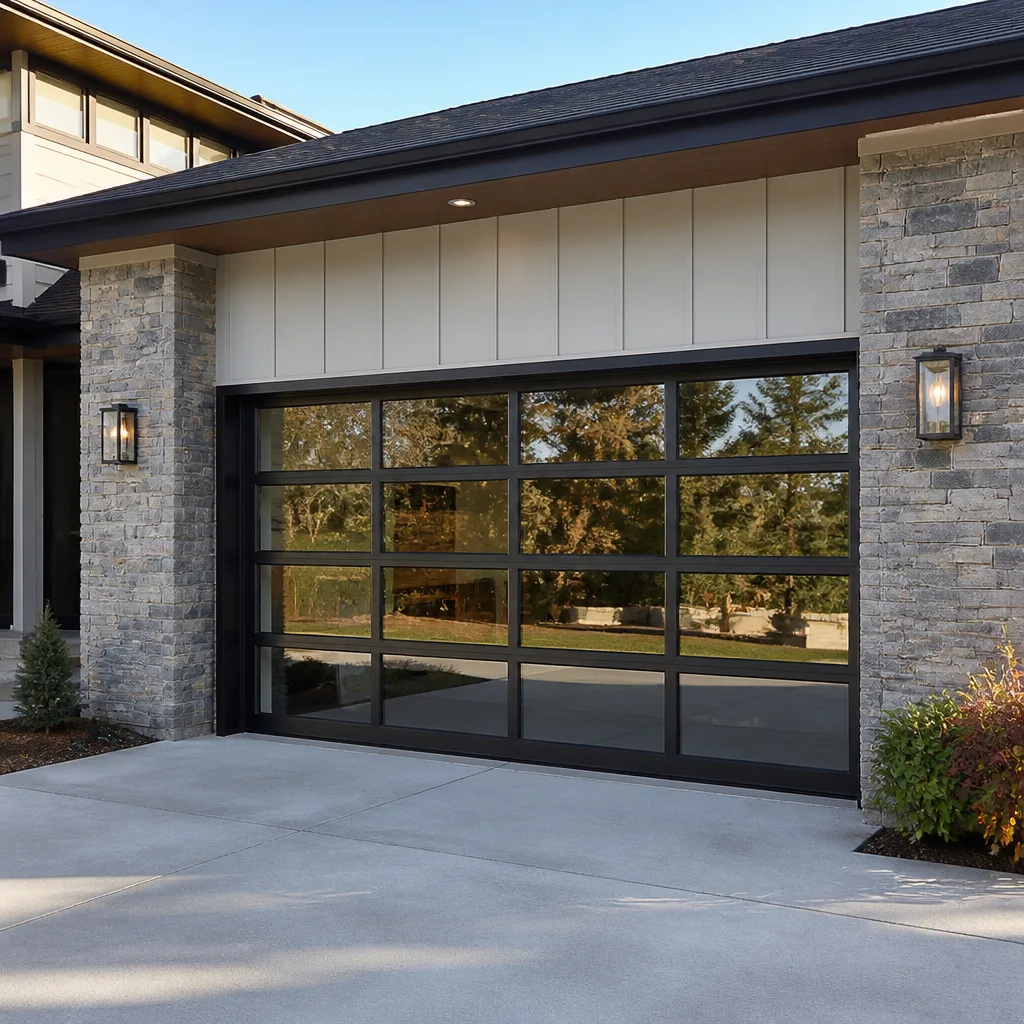 Full-view glass
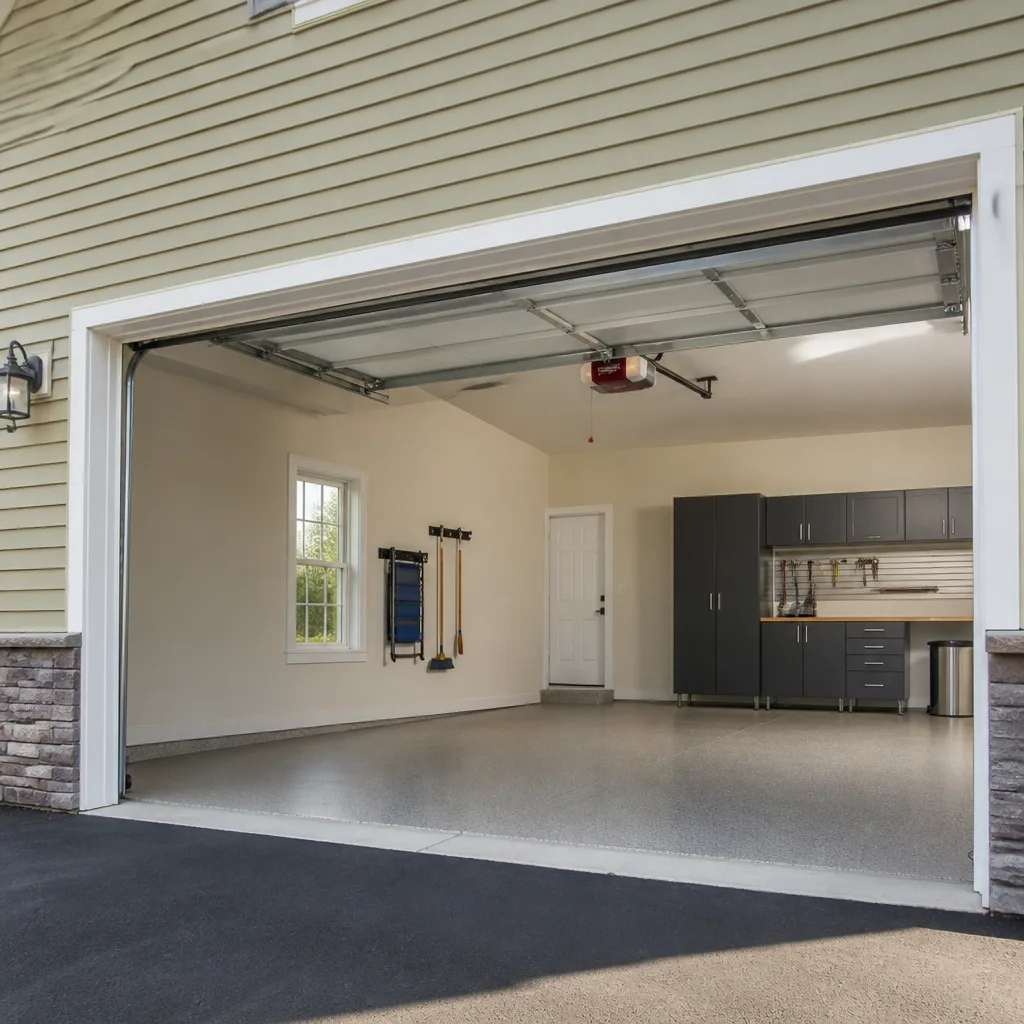 LiftMaster openers
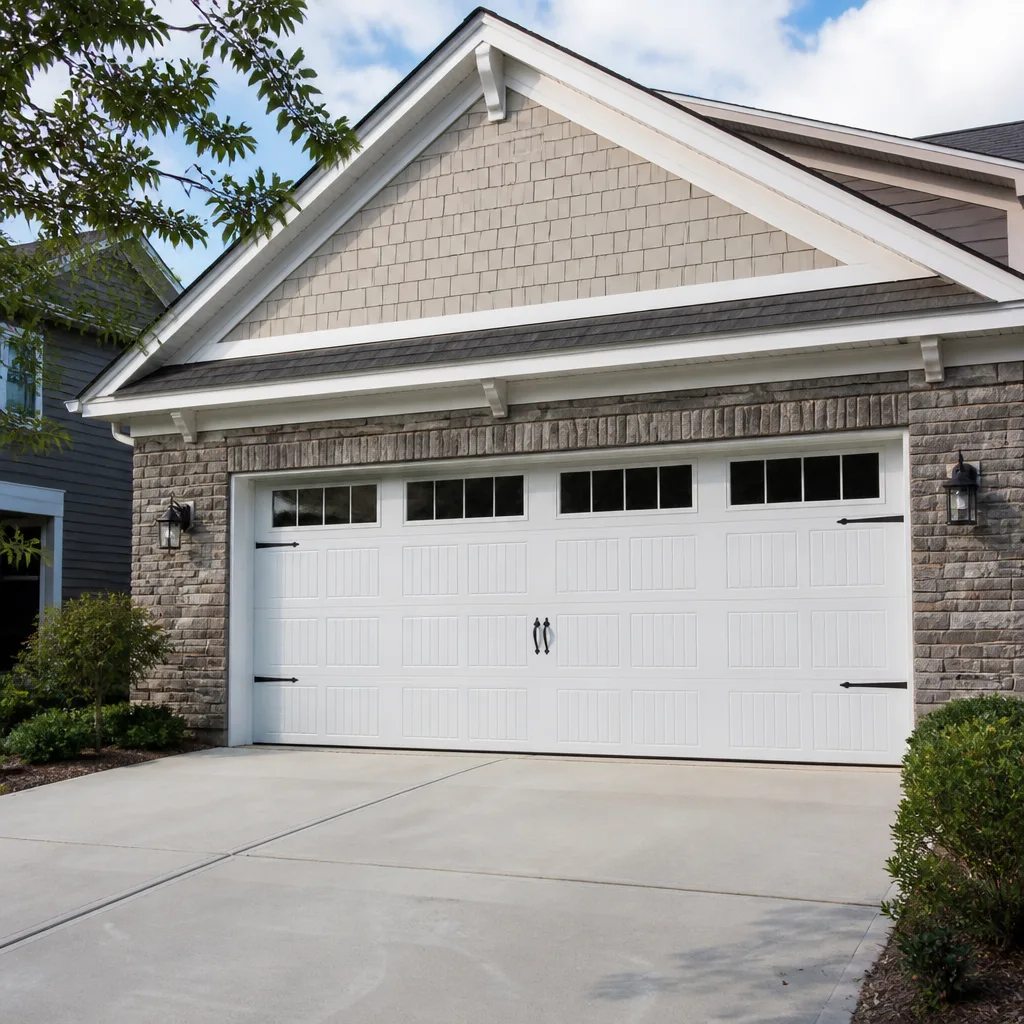 Chamberlain openers
Full 25-point door and opener safety check with every visit - springs, cables, rollers, tracks, and your LiftMaster or Chamberlain opener included
You get a price before we start. It does not change when the pro arrives.
Get your free estimateGarage Door Repair Maintenance Checklist for Crystal Lake Homeowners
The most common maintenance mistake we see in Crystal Lake isn’t skipping lubrication. It’s lubricating the wrong parts with the wrong product. A homeowner sprays WD-40 on the torsion spring, the rollers, and the hinges, feels productive, and actually strips the lubricant the spring needs while attracting grit to the tracks. Garage doors fail on a schedule, and that schedule is written by your climate. This guide shows you how to read it. You’ll learn which lubricant belongs on which component, how to check spring tension without tools, how to use your opener’s force test as an early-warning system, and which three sounds mean a cable or spring is about to let go. Then we’ll walk through a month-by-month calendar built for Crystal Lake’s actual seasons, and a short list of jobs to leave to a specialist.
Quick Answer
A garage door maintenance checklist for Crystal Lake should cover four things: correct lubrication of the right components with the right product, a visual spring and cable inspection you can do without tools, a monthly auto-reverse and force test on the opener, and a seasonal calendar that follows this region’s freeze-thaw cycle. Most of the work is inspection, not repair. Anything involving spring tension, cables under load, or the opener’s internal mechanics belongs to a trained technician, because the stored energy in a torsion system can cause serious injury in an instant.
Styles & brands we work with
- Raised-panel steel
- Carriage house
- Modern flush
- Full-view glass
- LiftMaster openers
- Chamberlain openers
Table of Contents
- Lubricating the Right Parts With the Right Product
- A Safe Spring Tension Check for Torsion and Extension Systems
- Using the Auto-Reverse Force Test as an Early-Warning System
- Three Sounds That Precede a Cable or Spring Failure
- A Month-by-Month Maintenance Calendar for Crystal Lake
- Brand-Specific Notes for Craftsman, Raynor, LiftMaster and Chamberlain
- Common Mistakes to Avoid
- When to Call a Professional
Lubricating the Right Parts With the Right Product
Here’s the rule that saves the most money in Crystal Lake: lubricate moving metal that slides or rolls, never lubricate anything that grips. The spring, the hinges, the rollers, and the bearing plates all benefit from a proper garage door lubricant. The tracks, the photo-eye lenses, and the safety-reverse edge should stay dry. That distinction alone prevents most of the premature wear we’re called out to fix.
WD-40 is a solvent, not a long-term lubricant. It cuts through grime well, which is why people reach for it. On a torsion spring, though, it dissolves the protective film and leaves bare steel. As the door cycles and the spring winds and unwinds, that bare steel picks up dust and fine grit, and the wear accelerates. This is the single most common DIY mistake in the region, and it’s a quiet one. The spring doesn’t fail the day you spray. It fails months later, earlier than it should have.
What to use where:
- Torsion and extension springs: a purpose-made garage door spring lubricant or a lithium grease spray. One light coat, wiped into the coils by cycling the door a few times. Once or twice a year is plenty.
- Hinges: a few drops of lightweight oil or a white lithium spray on each pivot point. Work the door up and down so the oil reaches the pin.
- Rollers: a drop of lubricant on the metal stem, not the wheel face. Nylon rollers need almost nothing; steel rollers need a bit more attention.
- Tracks: clean, dry cloth only. No oil, no grease. Grease in a track collects grit and turns into grinding paste.
- Opener rail and chain: follow the manufacturer’s instructions. A LiftMaster or Chamberlain belt-drive rail usually needs no lubrication at all, while a chain-drive system may want a light, dry-film product on the chain.
If your door is making noise after lubrication, the problem is mechanical, not a lack of oil. That’s a signal to look at the spring or the rollers, and we cover that below.
A Safe Spring Tension Check for Torsion and Extension Systems
You can inspect your springs visually with no tools and no risk, as long as you keep your hands off them and your eyes on the details. A torsion spring is the horizontal coil mounted on a shaft above the door. An extension spring runs along the horizontal track on each side, stretching as the door closes. Both store enormous energy. Never touch, twist, or adjust a spring, and never attempt to loosen the set screws on the torsion shaft.
A safe visual check walks through these points:
- Look for a visible gap in the coil. A torsion spring that has broken will usually show a clean split somewhere along its length. A door with a broken spring is dangerous to operate, so stop using the opener.
- Check for rust streaking or dark staining at the coils. That discoloration often means the spring is drying out or has lost its protective coating.
- On extension springs, check the safety cables. Every extension spring should have a cable running through its center. If that cable is missing, frayed, or slack, that’s a safety issue to address right away.
- Watch the door open and close once. If it rises crooked, hesitates, or slams down hard, the springs are out of balance or one has lost tension.
- Count the cycles in your head for a week. A door used four or five times a day wears its springs much faster than one used once. Cycle count, not calendar age, is what ends a spring’s life.
If any of these checks turn up a problem, that’s a garage door spring repair call, not a weekend project. Spring replacement is a high-tension, safety-critical job that a trained specialist should handle. Our technicians have up to 13 years of experience with both torsion and extension systems.
Using the Auto-Reverse Force Test as an Early-Warning System
Your opener’s force setting is not just a safety feature. It’s a diagnostic readout. Every opener, whether it’s a LiftMaster, a Chamberlain, a Genie, or a Craftsman, monitors how much resistance the door presents. As rollers wear, tracks drift, or springs lose tension, that resistance climbs, and the motor works harder. Run the force test monthly and you’ll catch the decline before the opener quits.
How the test works:
- Balance test first. Disconnect the opener from the door using the manual release. Lift the door by hand to about waist height and let go. A balanced door should hold roughly where you left it. A door that sinks or races up is telling you the springs need attention.
- Then the force test. Reconnect the opener. Lay a piece of 2×4 flat on the floor in the door’s path and close the door. It should reverse on contact with the board. If it presses down and stalls, the force setting is too high.
- The photo-eye test. Close the door and pass an object through the beam between the safety sensors mounted at the base of the tracks. The door should reverse immediately. If the sensors are misaligned or dirty, this is a common false-trip source, and a quick wipe often fixes it.
If the door fails the force test, that’s your cue to check the balance and the rollers rather than just turning up the force adjustment. Cranking the force setting to make a struggling door close is the equivalent of pulling the battery out of a smoke detector. It’s quiet, but it’s a liability. On any door where a person or pet could be in the path, that matters.
Three Sounds That Precede a Cable or Spring Failure
A garage door telegraphs its failures. In our experience, three sounds in a Crystal Lake garage are the most reliable warning signs, and each one points to a different component.
- A sharp bang, like a firecracker, followed by a heavy thud. That’s the sound of a torsion spring snapping. The door may still open if it’s a two-spring system, but it will feel unbalanced and should stop being used. Don’t try to lift a door with a broken spring by hand.
- A rhythmic pop or creak that tracks with the door’s movement. That’s usually a worn roller, a dry hinge, or a hinge plate working loose. It’s a maintenance sound, not yet a failure, but it means the door is stressing the opener with extra resistance. Address it before it turns into something bigger.
- A grinding or scraping noise from one side of the door. That’s often a cable starting to fray or come off its drum, or a roller that’s jumped the track. A cable under load can whip when it lets go, so treat grinding as a stop-and-call signal rather than a “watch it for a while” signal.
Those three cover most of the failures we diagnose. There are others, like a rhythmic clicking from the opener’s gear, which usually means a gear or sprocket issue inside the motor housing, or a thump at the top of the travel, which points to a worn top bracket or a bent track. In each case, the sound is early information. Treat the noise as a prediction, not just an annoyance.
A Month-by-Month Maintenance Calendar for Crystal Lake
Generic maintenance advice says “inspect in spring and fall.” Crystal Lake doesn’t hand you a clean spring and fall. It hands you a deep freeze, a thaw, a late cold snap, a wet stretch, and a summer that pulls moisture out of everything. The calendar below is timed to how the seasons actually arrive here.
One local detail worth knowing: Crystal Lake’s freeze-thaw cycle is the biggest source of garage door wear in this area. Every time the temperature climbs above freezing and drops back, moisture works into the joints, the track mounts, and the concrete apron under the door. That expansion and contraction loosens hardware, shifts tracks, and stresses the seals. So the heavy inspection months here are late winter and early spring, not the textbook fall check.
Winter (December through February)
- Clear snow and ice from the bottom seal and the door’s path. Frozen slush can jam the door and stress the opener.
- Check the bottom weather seal for cracks. A hard, cracked seal lets cold air and moisture in, and it’s a cheap fix compared to the door and opener strain it causes.
- Run the force test monthly. Cold stiffens lubricant and increases resistance, and the opener’s force setting that worked in October may be marginal by January.
- Listen for new sounds on every cycle. Cold makes metal brittle, and a small symptom can turn into a spring failure faster in the winter.
Early Spring (March through April)
- Do a full balance test once the ice is off the concrete.
- Look for loosened track brackets and hinges. This is the peak freeze-thaw month, so hardware is more likely to need tightening.
- Lubricate hinges, rollers, and springs for the year. One proper application now covers you well into summer.
- Inspect the tracks for dents or misalignment caused by winter plowing or vehicles.
Late Spring and Summer (May through August)
- Test the photo-eye safety beam and the force reverse function.
- Clean the tracks with a dry cloth and check for grit buildup.
- Look at the opener’s battery backup, if it has one, and replace the battery on the manufacturer’s schedule.
- Check the door’s balance as the garage’s humidity shifts, since wood doors can move slightly with moisture.
Fall (September through November)
- Test the auto-reverse function before the cold sets in, so you know it’s working when the doors get used more in bad weather.
- Lubricate again if the door gets heavy use.
- Inspect the bottom seal and replace it before the first freeze.
- Check the springs and cables for rust, especially if you have an older door, since the damp autumn air can strip the protective coating on a spring that’s already had a hard year.
Brand-Specific Notes for Craftsman, Raynor, LiftMaster and Chamberlain
We work on your brand, and that matters for maintenance because each maker builds its systems differently. A Craftsman opener from an older installation often uses a chain drive with a rail that wants a specific chain tension, and the safety sensors are wired in a way that trips easily if the lenses are dirty. A Raynor door typically pairs with torsion springs in a configuration that makes the balance test the most useful early check. A LiftMaster or Chamberlain opener, especially a newer one with a belt drive, is often quieter and needs less lubrication on the rail, but the force settings and the safety-sensor alignment deserve more attention because the electronics are the failure point more often than the mechanics.
We’re factory-familiar with eight major brands across doors and openers, including Clopay, Amarr, Genie, and Wayne Dalton. That means when we diagnose a maintenance issue, we’re not guessing at how your system is put together. If your opener has a model sticker inside the motor housing, snap a photo of it and keep it with your maintenance notes. That single photo tells us the model, the drive type, and often the year of manufacture, which tells us where in its wear cycle the system probably sits. For opener-specific problems, our garage door opener repair team handles the electronic and mechanical side.
One note specific to older systems: if you have a very old Craftsman or Genie opener that lacks modern safety reversing, maintenance alone won’t make it safe. A modern replacement opener is a better investment than trying to keep an unsafe unit alive.
Common Mistakes to Avoid
- Spraying WD-40 on the torsion spring. It strips the protective film and lets grit into the coils, which shortens the spring’s life. Use a proper garage door spring lubricant or lithium grease instead.
- Greasing the tracks. People do this thinking it will reduce noise. What it actually does is attract dust, grit, and dead insects, which turns the track into a grinding surface and wears the rollers.
- Turning up the opener’s force setting to fix a dragging door. The force setting is a safety limit. Raising it to make a sluggish door close hides the real problem and removes a critical safety margin.
- Ignoring a new sound because the door still opens. A noise that appears in January is often a spring issue by March. The sound is warning you.
- Lifting a door with a broken spring by hand. With one spring failed, the other is carrying the whole load, and the door can drop. Stop using the door and call for spring repair.
- Skipping the winter bottom-seal check. A cracked seal lets in meltwater that refreezes under the door, and that ice can bind the door and overload the opener.
- Treating maintenance as a one-time task. A checklist that gets done once and forgotten does less than a short monthly check done consistently.
If your door is already showing one of these problems, a garage door repair appointment is the right next step, and the estimate is free.
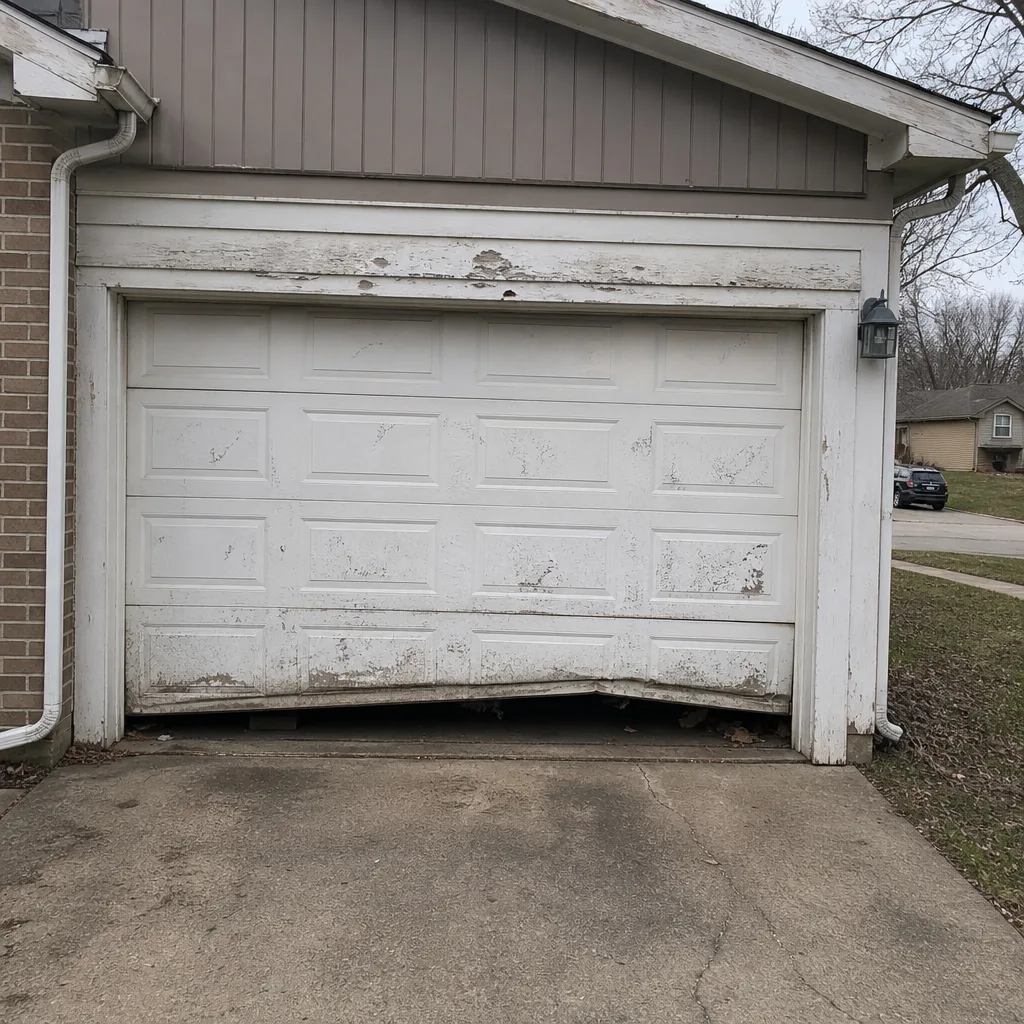
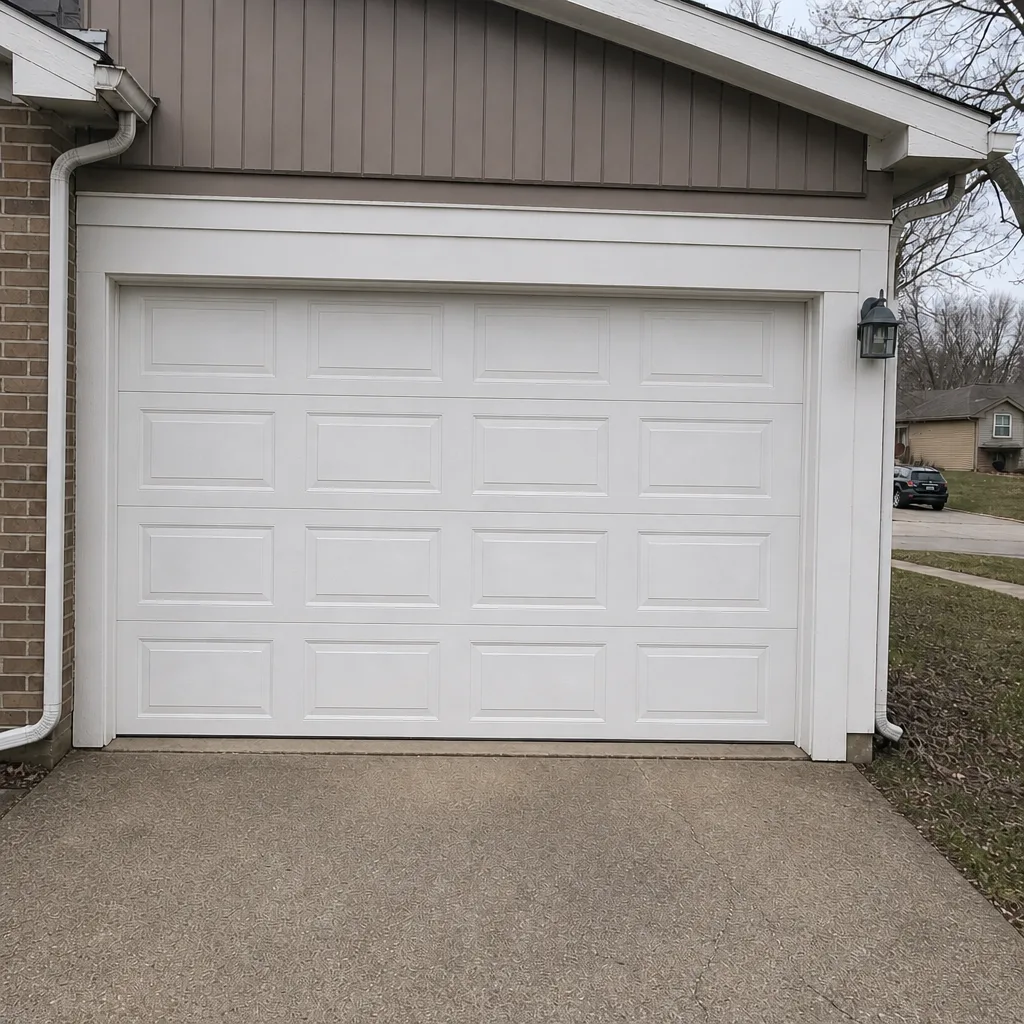
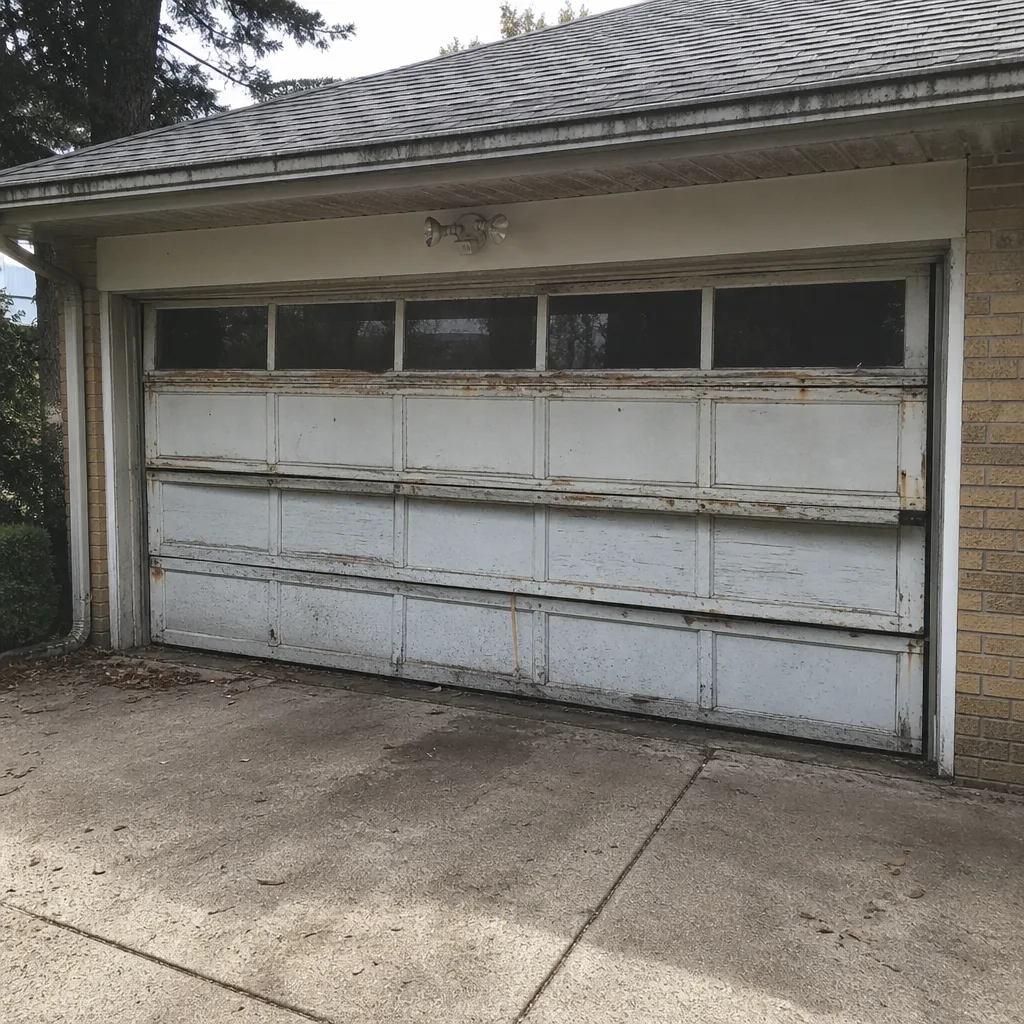
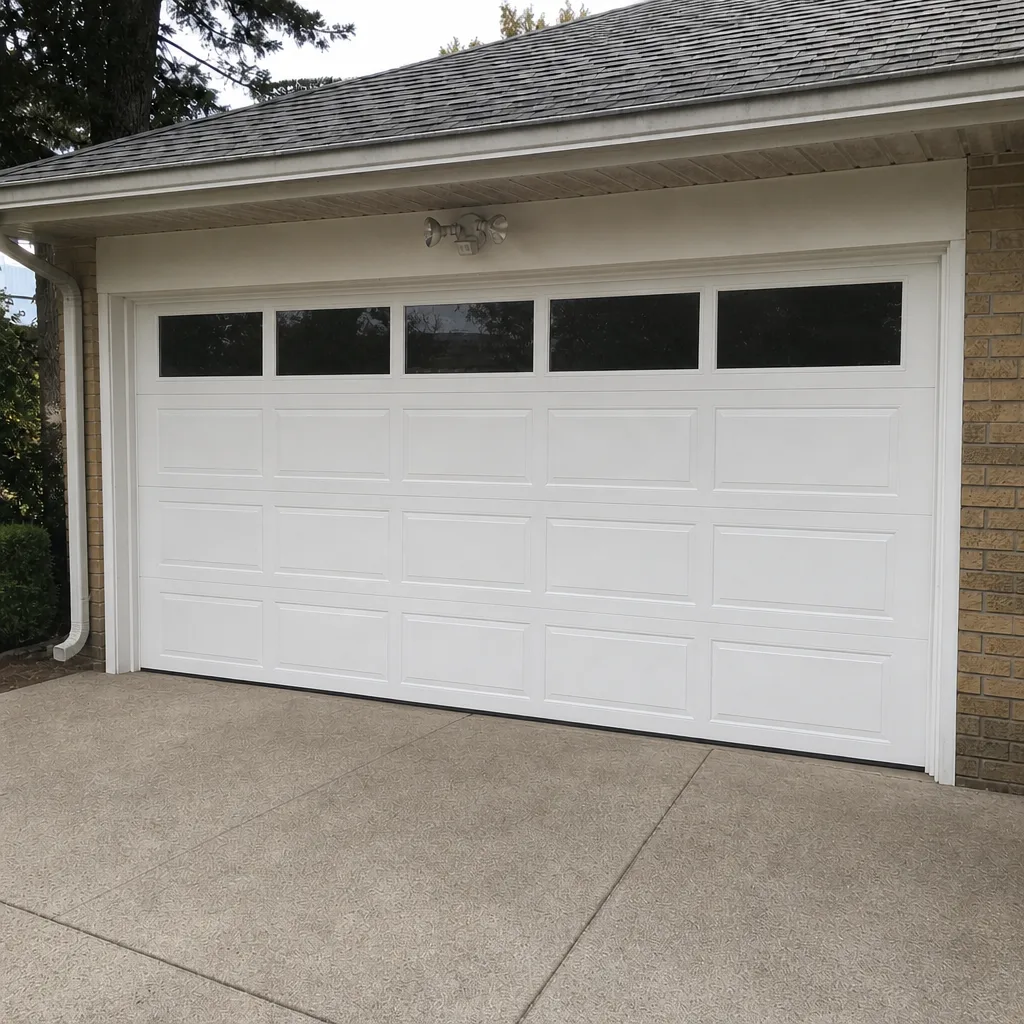
See the difference
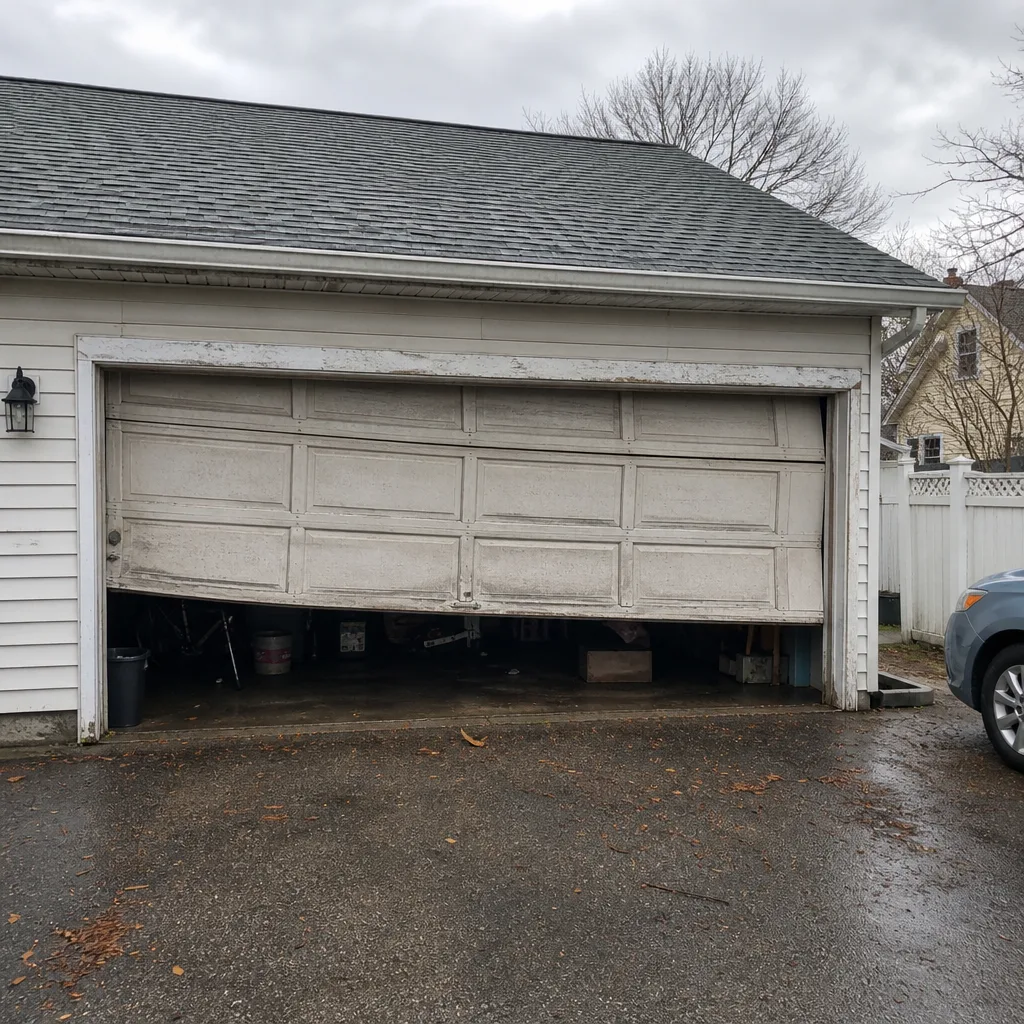 Before
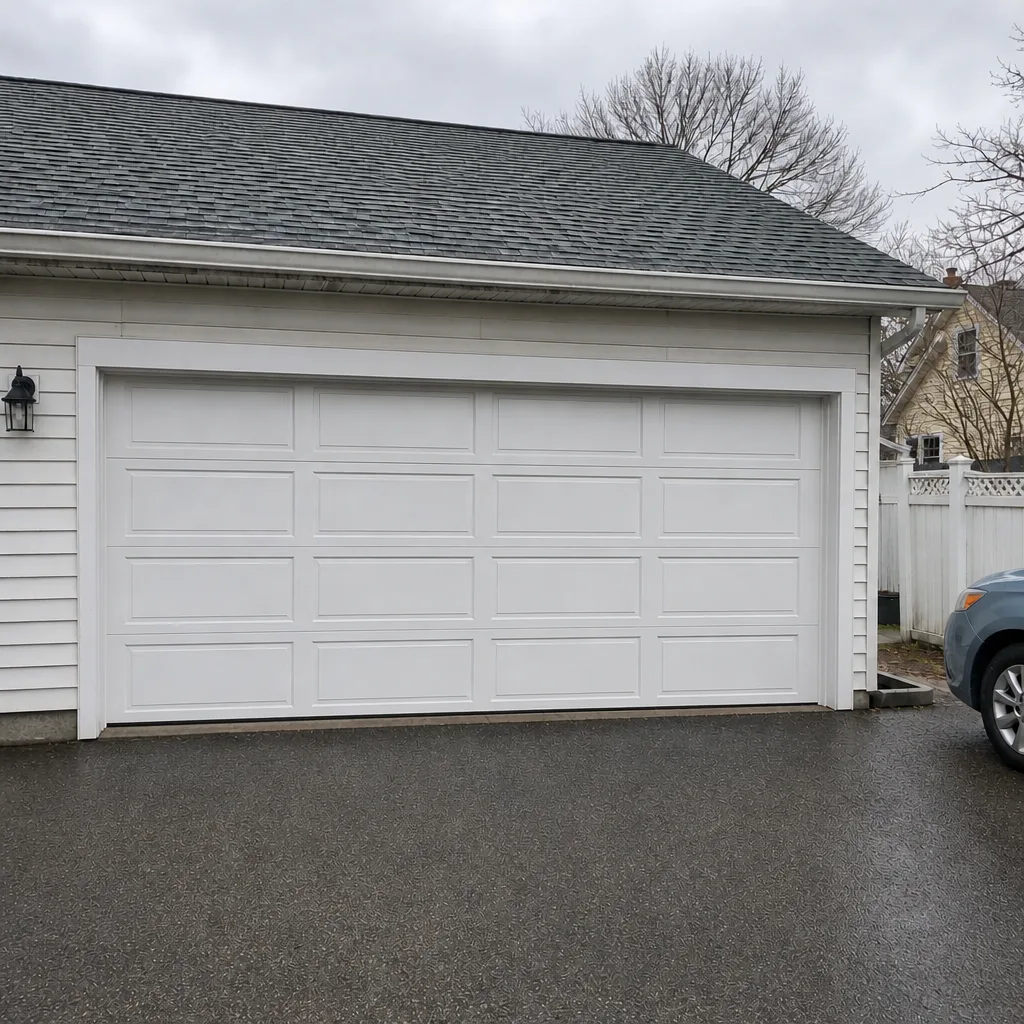 After
 Before
 After
 Before
 After
When to Call a Professional
Some jobs belong on your checklist. Others belong to a specialist. Call a professional if the door has a broken spring, if a cable is frayed or off its drum, if the door rises crooked or slams shut, if the opener’s force test fails after you’ve checked the balance and the seals, or if you hear grinding from one side of the door. Call us if you’re not certain what you’re looking at, too. A trained technician can diagnose the actual system in a few minutes, and knowing the answer is worth more than a guess.
Crystal Lake Garage Door Repair Pros offers free estimates in Crystal Lake. Call (844) 493-4287. We answer 24/7. Fast dispatch from 7am to 7pm, Sunday through Friday. Our technicians have up to 13 years of experience, and every job is quoted and agreed before any work starts, so the written estimate is the price. When a spring gives way and the door won’t move, you can reach us at any hour. Garage doors are all we do, and we work on your brand.
Frequently Asked Questions
Once or twice a year is enough for most Crystal Lake doors, and early spring is the best time because it follows the hardest freeze-thaw stretch. Lubricate hinges, rollers, and springs with the right product, and leave the tracks dry.
You can inspect them visually, but you should never touch or adjust them. Look for a visible gap in the coil, rust streaks, a missing safety cable on an extension spring, and a door that rises unevenly. If you spot any of those, call a specialist.
No. WD-40 is a solvent, and it strips the protective film on the spring, which lets grit into the coils and shortens the spring’s life. Use a purpose-made garage door spring lubricant or lithium grease instead.
A rhythmic pop that tracks with the door’s movement usually means a worn roller, a dry hinge, or a loose hinge plate. It’s a maintenance issue, not yet a failure. Address it before the extra resistance wears the opener.
No. If one spring has failed, the remaining spring is carrying the full weight of the door, which isn’t safe. Stop using the opener and the door until a technician replaces the spring, and don’t lift it by hand in the meantime.
Spring repair is priced per job, and the written estimate is what you pay. We don’t quote a number before we’ve looked at the door, because the type of spring and the door’s setup determine the work. Call (844) 493-4287 for a free estimate.
The Bottom Line
A garage door maintenance checklist works when it’s calibrated to your door and your climate, not a generic to-do list. For Crystal Lake homeowners, that means correct lubrication on the right parts, a no-tools spring and cable inspection, a monthly force test on the opener, and a seasonal calendar built around freeze-thaw rather than the textbook spring-and-fall advice. Treat the sounds and the failing force test as predictions rather than annoyance. You’ll catch the problems while they’re still small, and you’ll know when to keep working and when to put down the cloth and call. For spring, cable, opener, or full door work, we’re a garage door company, not a generalist, and that’s all we do. For the wider range of work we handle, see Crystal Lake Garage Door Repair Pros. From broken spring to brand-new door, call (844) 493-4287 for a free estimate.
Written by the team at Crystal Lake Garage Door Repair Pros.