
Last updated November 22, 2026
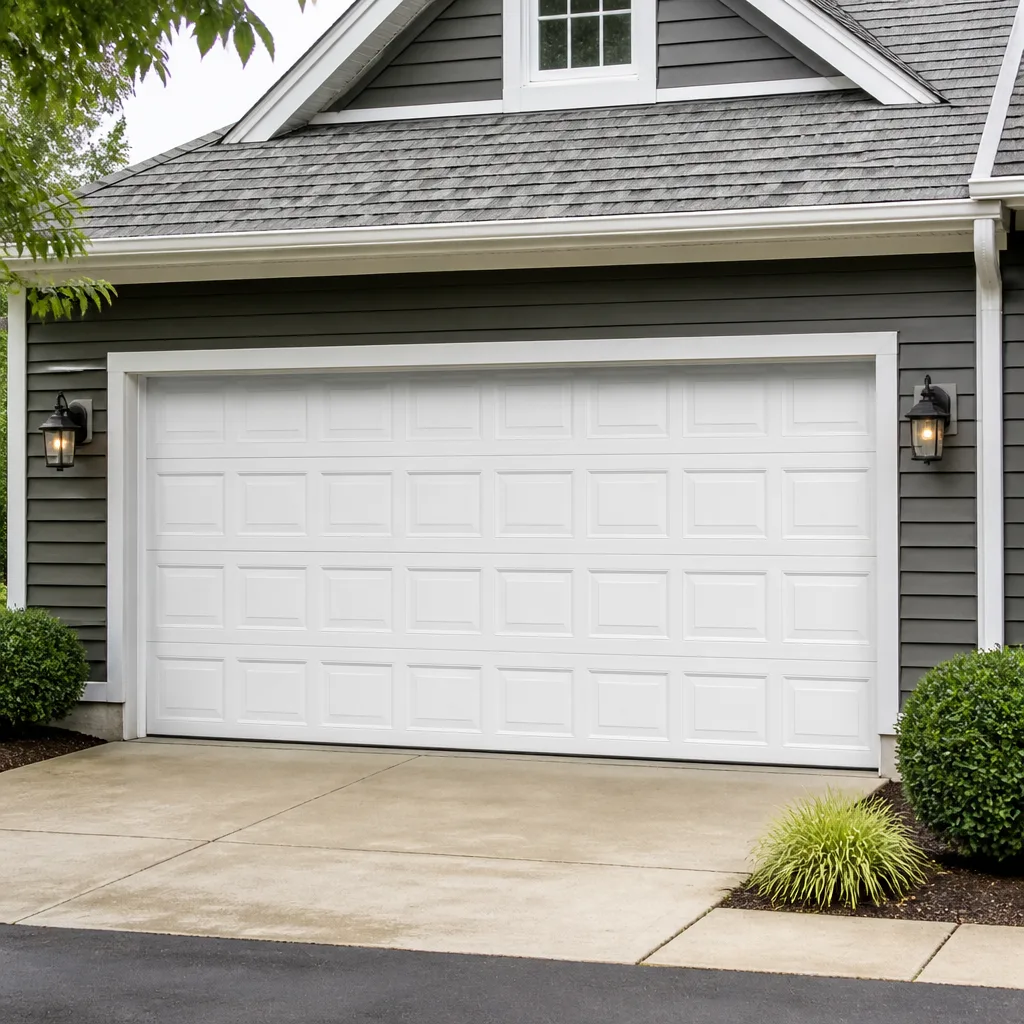 Raised-panel steel
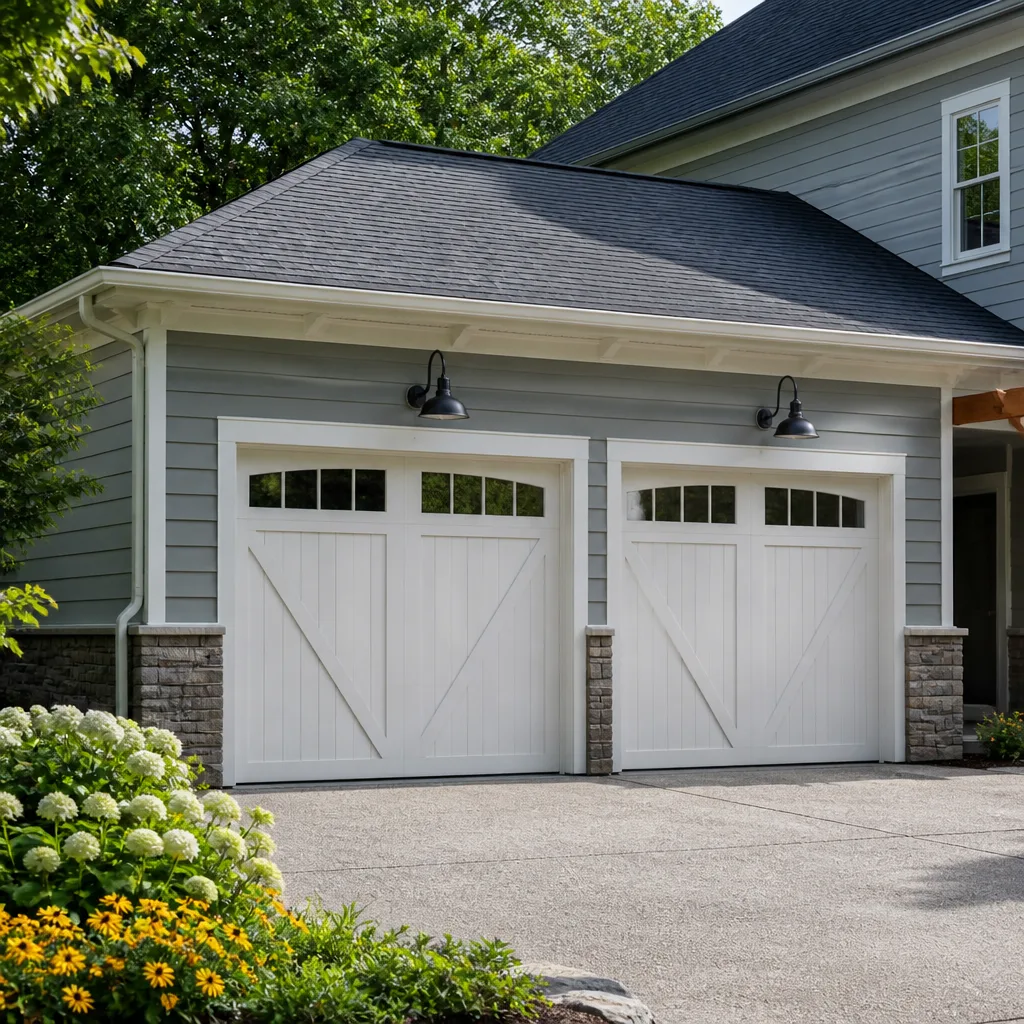 Carriage house
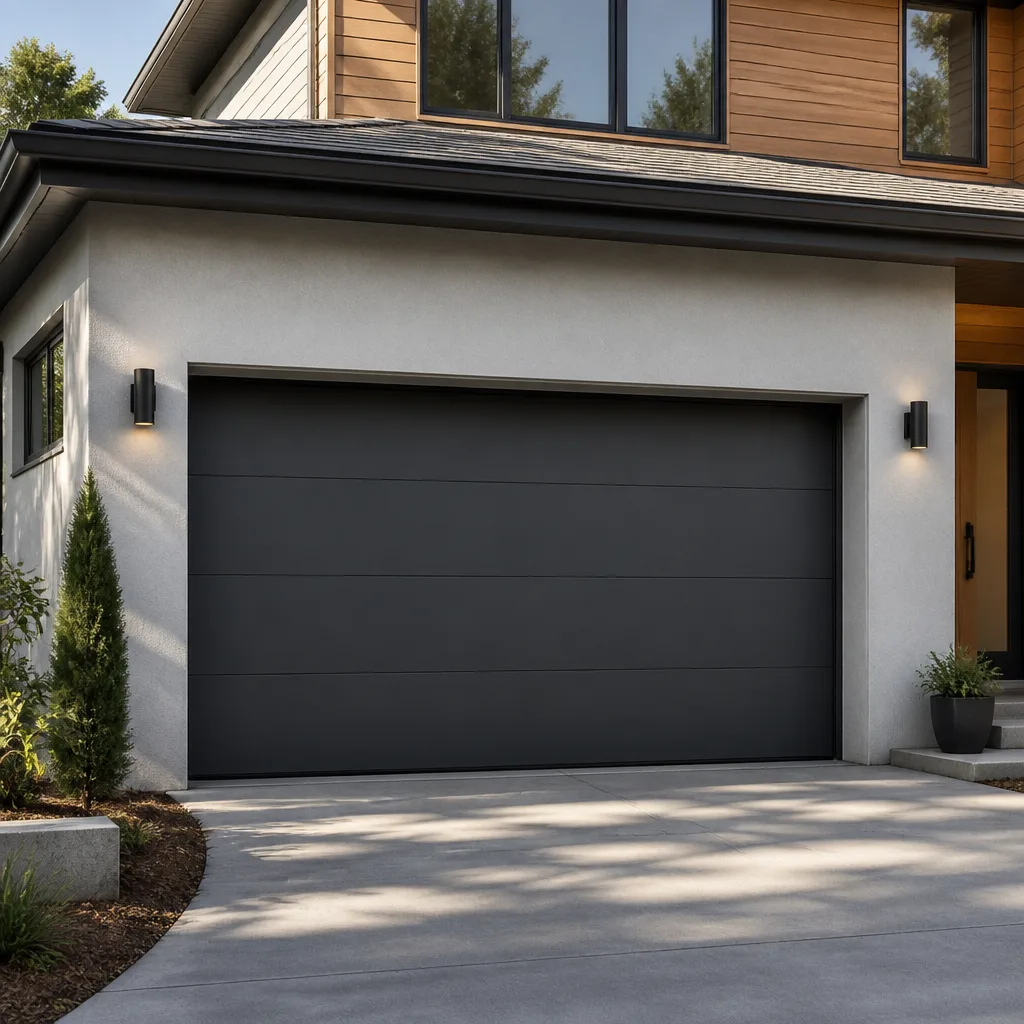 Modern flush
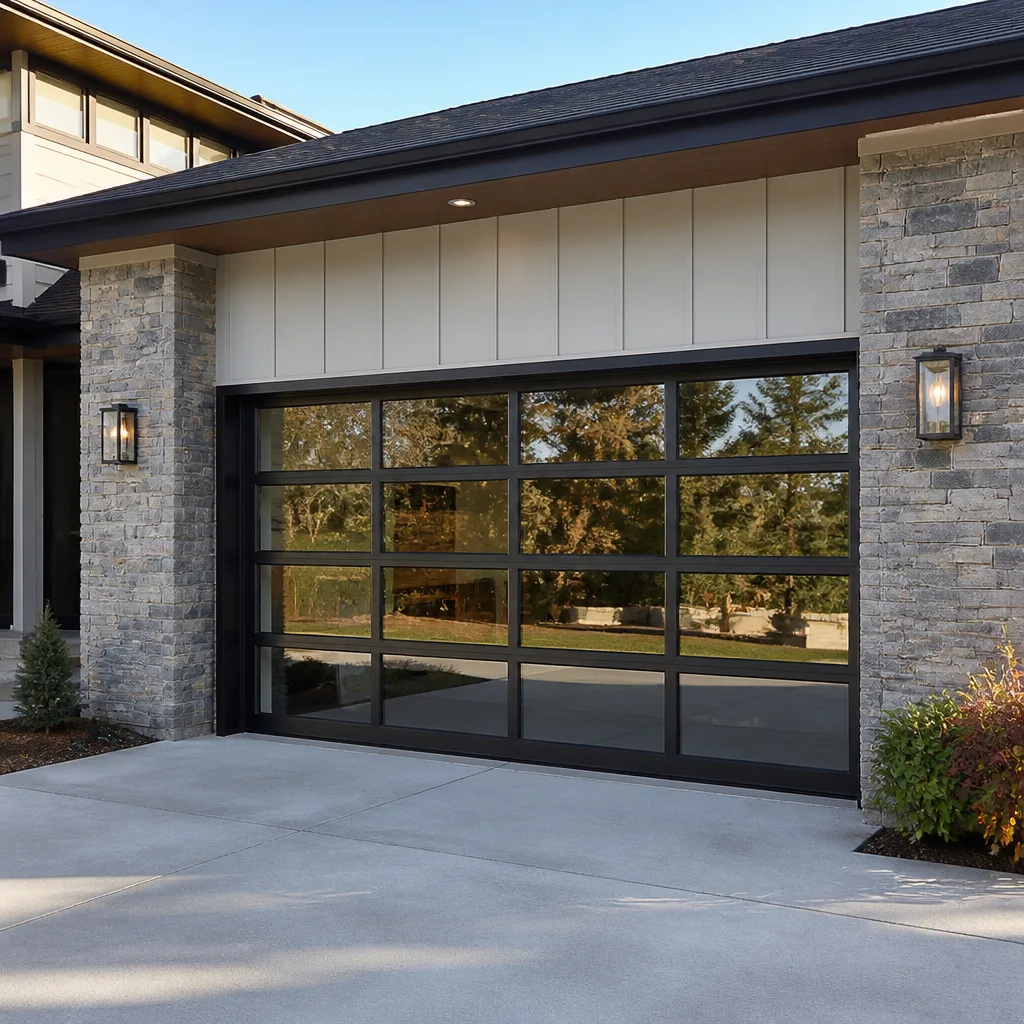 Full-view glass
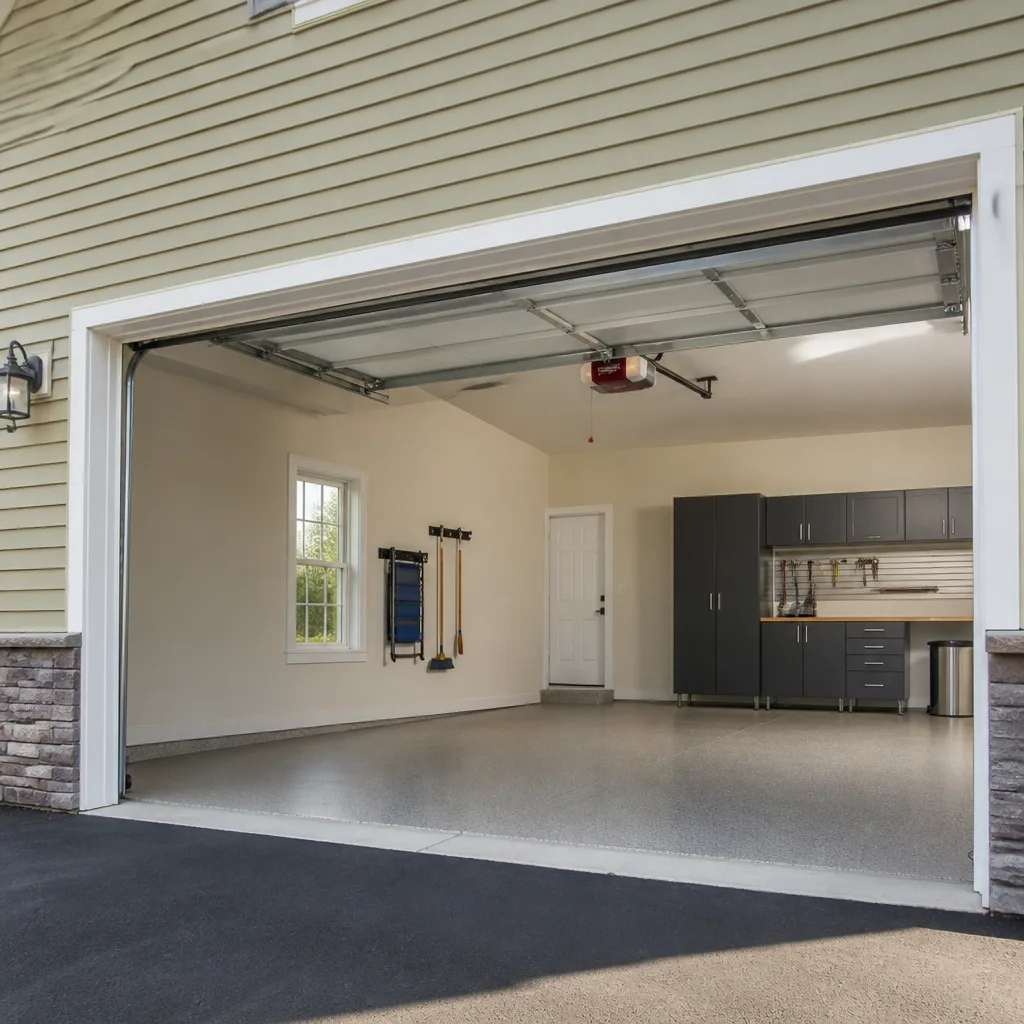 LiftMaster openers
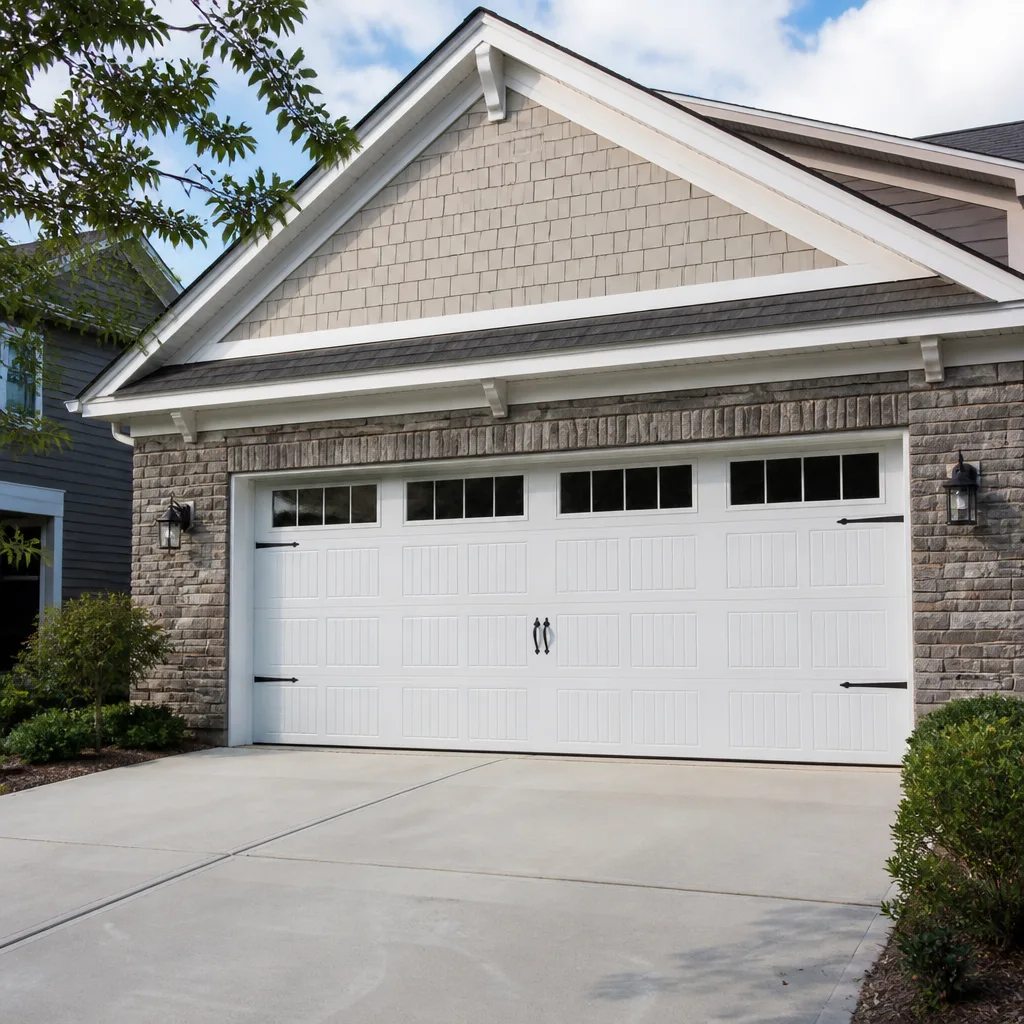 Chamberlain openers
Full 25-point door and opener safety check with every visit - springs, cables, rollers, tracks, and your LiftMaster or Chamberlain opener included
You get a price before we start. It does not change when the pro arrives.
Get your free estimateGarage Door Warning Signs: A Crystal Lake Homeowner’s Reference Guide
A garage door doesn’t just break. It tells you it’s going to break, usually for weeks, sometimes for months, and almost nobody listens. The rattle you’ve been hearing since the last cold snap, the door that sits a little crooked on one side, the coil of rust on a cable you’ve never noticed: these are stages on a timeline, not random noises. Most Crystal Lake homeowners treat the early signals as normal wear and ignore them until a torsion spring snaps and the door can’t be lifted. This guide maps every common warning sign to its cause and its urgency so you can decide what can wait and what can’t.
Quick Answer
The main warning signs of a failing garage door are a loud bang or grinding noise, a door that sits uneven, a spring that shows a visible gap or heavy rust, frayed cables, and an opener that struggles to lift or reverse. Most of these follow a predictable escalation, and the earlier you catch the symptom, the cheaper the repair. In this guide we sort those signs into a red, yellow and green urgency scale so you know which ones mean “call today” and which mean “schedule it this month.”
Styles & brands we work with
- Raised-panel steel
- Carriage house
- Modern flush
- Full-view glass
- LiftMaster openers
- Chamberlain openers
Table of Contents
- The Three-Stage Failure Timeline
- Symptom-to-Cause Matrix: Torsion vs. Extension Springs
- Opener Strain vs. Mechanical Resistance: Two Symptoms That Look the Same
- Rust and Corrosion Patterns That Predict Failure
- Why an Uneven Door Is Never Cosmetic
- Red, Yellow, Green: Rating Each Warning Sign
- What to Check Every Season in Crystal Lake
- Frequently Asked Questions
The Three-Stage Failure Timeline
Garage door failures almost never happen out of nowhere. They follow a pattern that moves through three recognizable stages, and knowing which stage you’re in tells you how much time you have. We’ve seen this same escalation on thousands of doors across Crystal Lake, and it holds for both old and new systems.
Stage one: irritation. The door works, but it makes a noise, shakes a little, or reverses more slowly than it used to. This stage can last months. In most cases, one service call fixes the underlying cause at a lower cost than waiting would.
Stage two: symptoms you can see. The door sits uneven, one cable starts to fray, the panels bow, or the opener strains before the door moves. Repairs at this stage are still predictable and usually covered by the estimate you’re quoted.
Stage three: imminent failure. You hear a bang, find a coil of spring on the floor, or the door refuses to lift or lock in place. This stage is where a spring snap or cable failure has already happened. Injuries and property damage risk go up sharply.
The escalation is why timing matters
Homeowners who wait through stage one and two usually spend 2 to 4 times more than they would have by catching the first symptom. In our experience on Crystal Lake doors, the difference between a spring that’s caught at the first sign of fatigue and one that’s already snapped is a repair on a healthy track versus an emergency call and a door that can’t be moved safely. That is the whole reason we treat spring repair as a named service rather than lumping it under “repair.”
- Stage one: noise, shaking, slower reversing, minor rattle. Schedule a maintenance visit.
- Stage two: visible fraying, visible rust, uneven panels, opener strain. Book a repair, don’t wait for the snap.
- Stage three: snap, bang, door won’t lift, spring on the floor. Stop using the door.
Symptom-to-Cause Matrix: Torsion vs. Extension Springs
Crystal Lake’s housing stock splits into two eras, and the garage doors changed with them. Homes built after roughly 2000 almost always carry torsion spring systems, where a single rod-mounted spring (or a matched pair) sits above the door. Older homes on the pre-1940s downtown streets and the mid-century pockets off Rt. 14 typically carry extension springs, which stretch along horizontal tracks on each side. The symptom points to the cause, and the cause tells you which system you’re looking at.
Here is the matrix we use when a homeowner calls with a vague description:
| Symptom | Most likely cause (torsion) | Most likely cause (extension) |
|---|---|---|
| Loud bang from above the door | Broken torsion spring | Spring stretched or snapped off its bracket |
| Door heavy to lift by hand | Spring lost tension | One spring has lost tension |
| Door sits crooked | Cable loose or spring imbalance | Cable off its pulley |
| Opener lights blink, door won’t move | Spring is broken, safety reverse tripped | Safety cable missing or spring snapped |
| Door slams down on close | Spring beyond its limit | Spring stretched past its travel |
Two things stand out. First, extension springs are more dangerous because they’re unenclosed and can fly off their track; most modern installs have a safety cable threaded through the spring for exactly that reason. Second, torsion spring failures usually announce themselves with a bang, while extension spring failures can happen quietly. If you’re in an older home in Crystal Lake and you’ve never looked up at your springs, that’s the first place to put your eyes.
Whatever the system, the diagnosis matters more than the guess. We’re factory-familiar with the eight brands we work on, including Clopay, Amarr, Wayne Dalton and Craftsman, so we identify the actual installed hardware before we quote a repair. If your door is a Clopay from the early 2010s, we know what springs were specked for that model, and we can tell you whether the snap is mechanical or just fatigue.
Opener Strain vs. Mechanical Resistance: Two Symptoms That Look the Same
A door that moves slowly or hesitates can be suffering from two completely different problems, and the cost difference is significant. We see this mix-up constantly in Crystal Lake: a homeowner calls about a “bad opener” when the opener is fine and the springs are the issue, or the reverse.
Opener strain looks like: the motor runs louder than it used to, the opener lights flicker or blink in a pattern, the remote only works from a short distance, or the door reverses on its own partway down. The door itself travels smoothly when you pull it by hand. The fix belongs with the opener, and it’s usually in the motor, the logic board, or the safety sensors. That’s a job for garage door opener repair.
Mechanical resistance looks like: the door is hard to lift by hand, the door hangs heavily, or the opener strains and cuts out quickly. In this case, the opener is doing its job trying to force a door that isn’t balanced. The fix is in the springs, cables or rollers. That’s a spring or cable repair, and a new opener won’t fix it.
Here’s how to tell the difference in 30 seconds, without touching anything dangerous:
- Pull the emergency release cord on the opener (only when the door is fully closed).
- Lift the door by hand about halfway.
- If it lifts smoothly with light effort, the problem is the opener.
- If it feels heavy, uneven, or won’t stay put when let go, the problem is mechanical.
Do not put your hands near the springs or cables during this check. Coiled torsion springs and tensioned cables are under extreme force, and a snapped cable can slice through skin. If you’re not sure, close the door, re-engage the release, and call us. Our technicians have up to 13 years of experience, and the first thing they check is whether the door is balanced before they touch the motor.
This is often where a cheap diagnosis goes wrong. A generalist may tell you the opener is bad because the door won’t lift. A specialist tests the balance first. We work on the door and the opener as one system, because that’s how they fail.
Rust and Corrosion Patterns That Predict Failure
Crystal Lake sits in McHenry County, where humidity climbs through the summer and road salt runs off cars onto garage floors all winter. That combination is hard on the two components you least want to corrode: the springs and the cables. Rust is not cosmetic on those parts, it’s a timeline.
The pattern we watch for is specific. Light surface rust on a torsion spring means age but not imminent failure. Orange-brown pitting along the spring’s coil and flaking rust on the cable means the metal is losing strength. At that point, based on the doors we see around Crystal Lake, failure typically falls in the 60 to 90 day window. Black streaks or rust bleeding down the wall behind the spring is a sign the spring has already been weakened significantly by moisture, and the next cycle can be the one that breaks it.
Here’s the visual check, from most to least urgent:
- Red: visible flaking rust on the cable, kinked or frayed strands, a spring with a visible gap or broken coil. Stop using the door and call.
- Yellow: orange-brown pitting on the spring, rust running down the wall behind the drum, cables discolored at the drum end. Book a repair within a few weeks.
- Green: light surface rust, no pitting, no strands frayed. Clean and lubricate, then recheck each season.
Lubrication is the one task a homeowner can safely do. A silicone-based garage door lubricant on the springs, hinges, rollers and tracks (not the tracks themselves if you’re using a heavy grease, which attracts grit) does slow corrosion. Keep the garage floor swept and dry during salt season, and don’t let a puddle sit against the base of the door. Beyond that, rust on springs and cables is a job for a technician who can see what the metal is actually doing. Routine checks are part of what our garage door repair team does during any visit, because a door that fails on a Crystal Lake driveway in January costs a lot more than it would have in October.
Why an Uneven Door Is Never Cosmetic
A door with one side sitting an inch lower than the other is not a style issue. It’s a balance issue, and balance is controlled by the springs, the cables, and the drums on each side. If one side is off, the system is under uneven tension, and that will eventually fail one of three ways: a snapped cable, a broken spring, or a bent track.
This warning sign gets ignored more than any other because the door still opens. Homeowners in Crystal Lake will call us about a noise but tell us the unevenness is fine because “it’s always been like that.” It rarely is. A door that started level and now isn’t has changed, and the change is the signal.
The most common causes, in order:
- A loose or broken cable on one side. The cable carries the door’s weight through the drum. If it slips, that side drops.
- Spring imbalance. On a matched pair, one spring carries more load than the other. If one has lost tension, the door tilts.
- A bent or misaligned track. Usually a result of the first two or a vehicle bumping the rail.
- Worn rollers or hinges on one side. Less dangerous, but it adds resistance that the opener has to overcome.
Unevenness is also a safety issue, not just a repair issue. A door under uneven tension can bind mid-travel and drop. Do not try to adjust a cable or spring to “level” the door yourself; those are the highest-tension components on the whole assembly. A technician can check balance, adjust the opener’s travel limits and force settings, and identify whether a cable or spring needs replacing. This is also the point where we look at the garage door spring repair side of the door, because balance almost always comes back to springs.
Red, Yellow, Green: Rating Each Warning Sign
This is the section we want every Crystal Lake homeowner to keep in mind, because it turns “the door is making a noise” into a decision. Here’s the scale we use in the field.
Red: stop using the door today
- Bang from above the door, spring on the floor, door won’t lift. Stop using the door.
- Frayed or snapped cable visible on one side. Stop using the door.
- Door hanging by one side, or a twisted track. Stop using the door.
- Opener runs but the door stays put and the opener now glows or blinks in a fault pattern. Stop using the door.
Red signs mean an emergency call. In Crystal Lake, we run dedicated emergency service for doors that fail and leave a car trapped or the house open to the street. Call (844) 493-4287. We answer 24/7. Fast dispatch from 7am to 7pm, Sunday through Friday.
Yellow: fix within a couple of weeks
- Door sits uneven by an inch or more but still moves.
- Loud grinding, scraping or squealing during travel.
- Heavy lifting feel when you pull the door by hand.
- Visible pitting rust on springs, or rust bleeding down the wall behind the drum.
- Opener reverses on its own partway through the cycle.
These are real repairs, not tuneups, but they’re not emergencies. Book a visit and get the door fixed before it turns red.
Green: maintenance territory
- Light noise on a cold morning that goes away as the door warms up.
- Slow-to-react remote or an opener that needs its sensitivity adjusted.
- Surface rust on the paint or on a roller.
- Faint rattle that stops after a cycle.
Green signs are the ones worth catching now. A lubrication and balance check costs far less than a spring replacement.
What to Check Every Season in Crystal Lake
The seasonal swings around Crystal Lake put stress on springs and cables in ways that the same door in a milder climate never sees. Frozen ground and winter salt on the concrete, then the humidity and heat of summer, then the sudden cold snaps that come in fall. These shifts move metal, and movement is where cracks and fatigue show up.
- Spring clean: look up at the springs and the drum. Check for visible gaps, rust pitting, or a spring resting differently on one side.
- Cable check: look along each cable for frayed strands, kinks, or rust bleeding at the drum end. Don’t touch.
- Balance test: with the door closed, pull the release cord, lift the door halfway and let go. It should stay put. If it drops or rises, the springs need attention.
- Roller and hinge check: look for flat spots on steel rollers or cracks in nylon rollers. Worn rollers add strain to the opener.
- Weather seal check: a broken bottom seal lets water in, which speeds up corrosion on the bottom section.
- Opener check: test the safety reverse by placing a small board in the door’s path and closing it. It should reverse on contact.
This walkaround takes about 10 minutes. If you find something you’re not sure about, a technician can confirm it. If you’re seeing openers, springs or doors that need replacing rather than repair, our garage door repair and installation teams cover the full arc, so you won’t need a second company as the door ages out.
Common Mistakes to Avoid
- Pressing the opener again when the door is stuck. If a spring has snapped or a cable has failed, the opener is being forced against a door that can’t move. That burns out the motor and, worse, risks the door crashing down. Stop and call.
- Assuming the opener is the problem. A strained-sounding opener usually means the door is out of balance. Buying a new opener to fix a spring problem wastes the money and leaves the real risk in place.
- Ignoring an uneven door. A crooked door is never “just how it sits.” It’s a sign that one half of the spring and cable system is losing tension.
- Oil on the tracks. Grease or heavy oil attracts grit and Crystal Lake’s road salt dust, and turns the track into a grinding paste. Keep the tracks clean and dry.
- Lifting a broken door by hand. When the spring is broken, the full weight of the door is on the cables and you. It can drop, and the door can buckle. Leave it alone.
- Hiring a generalist for a spring job. Springs carry the full door weight and need the right wire gauge and tension. This is our single most specialized service, and it’s why we treat it as one.
- Skipping the estimate in writing. A verbal quote leaves room for surprise. Ask for a written estimate before any work starts, every time.
See the difference
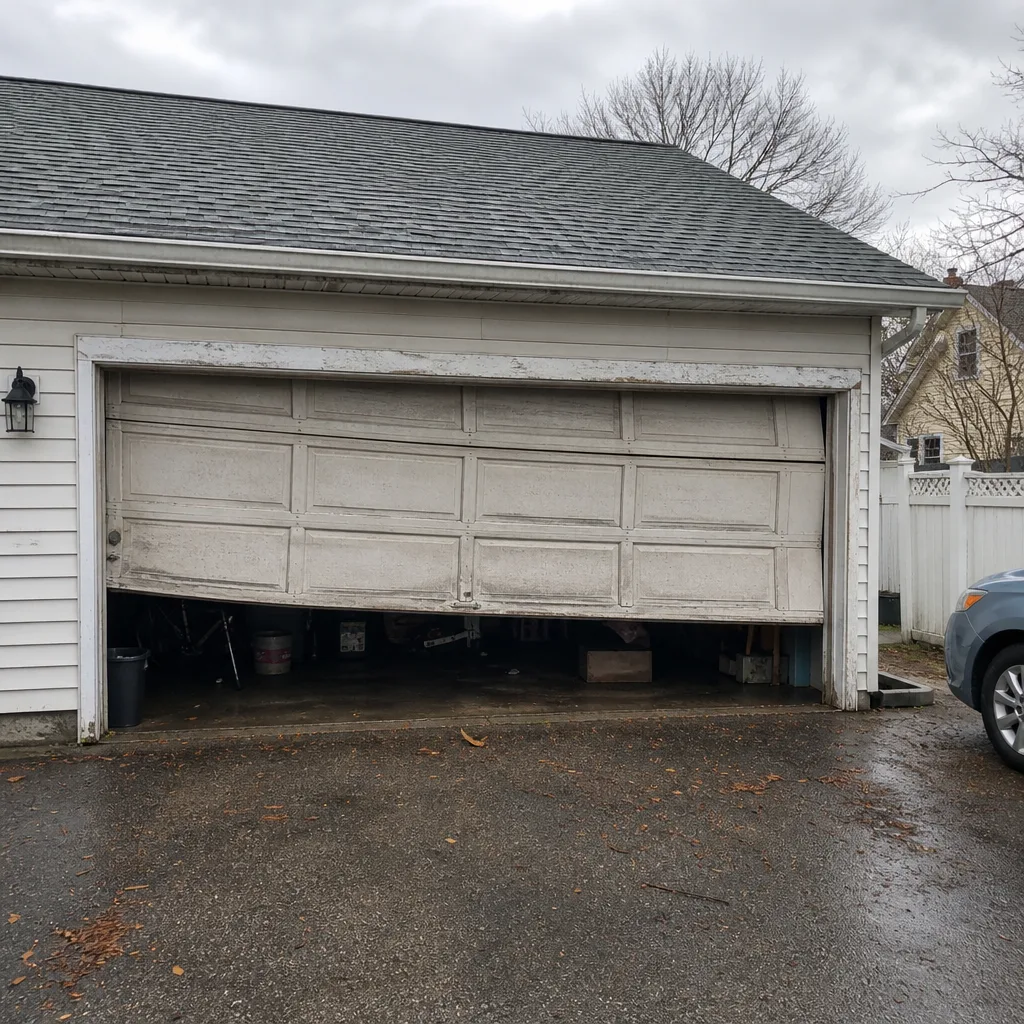 Before
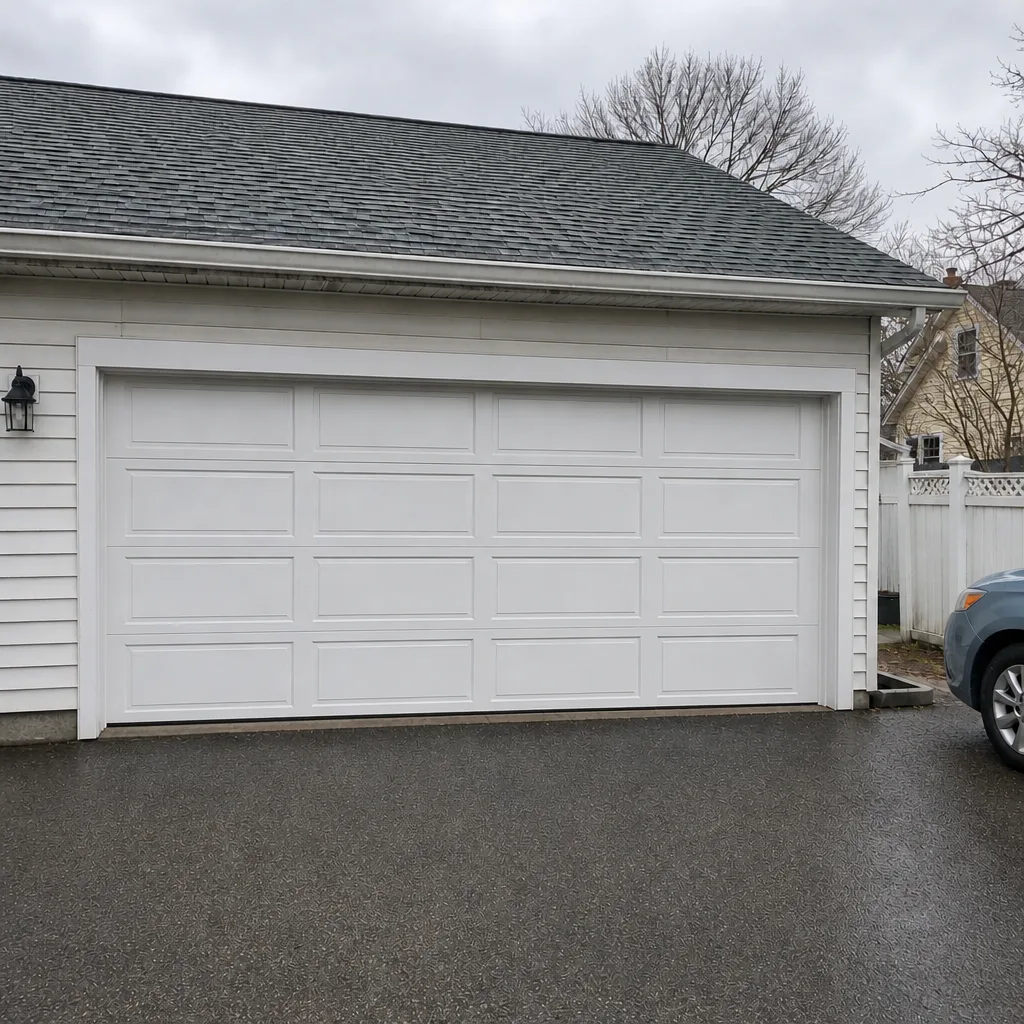 After
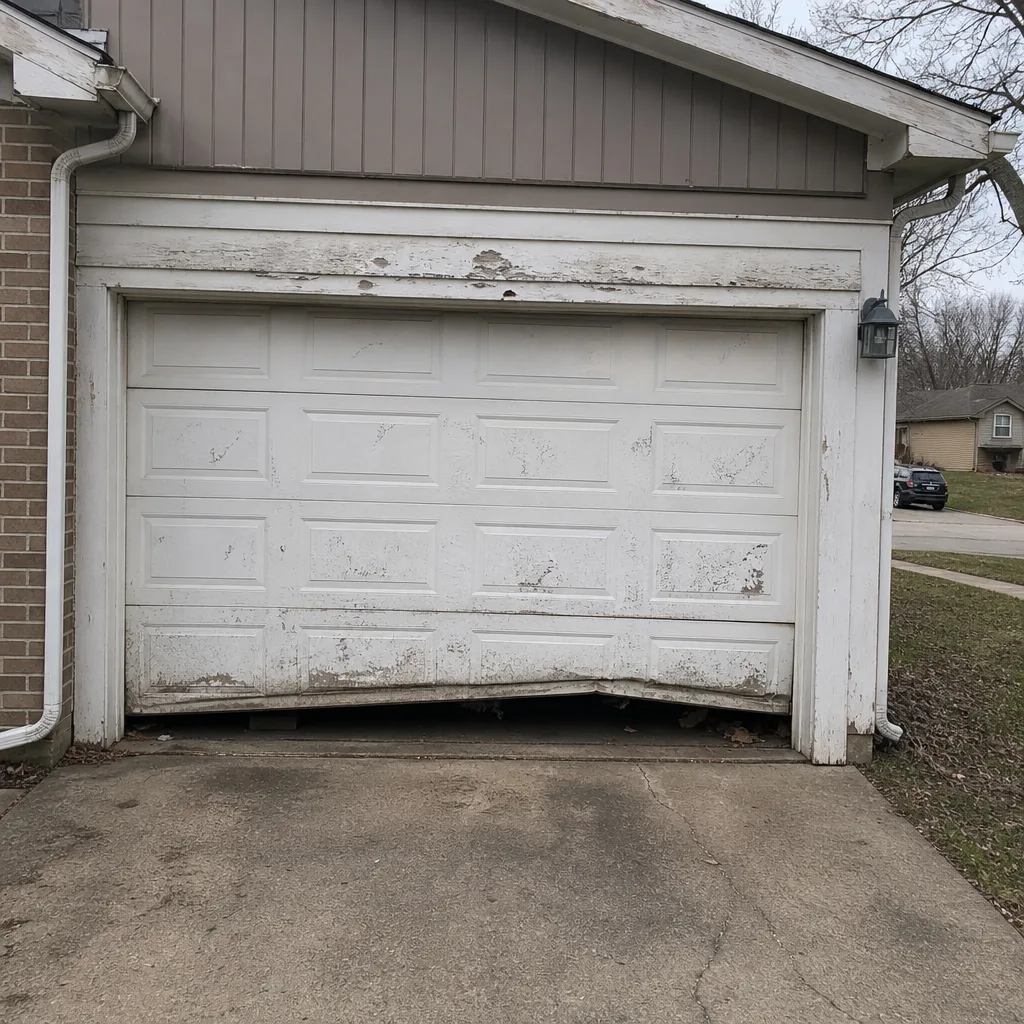 Before
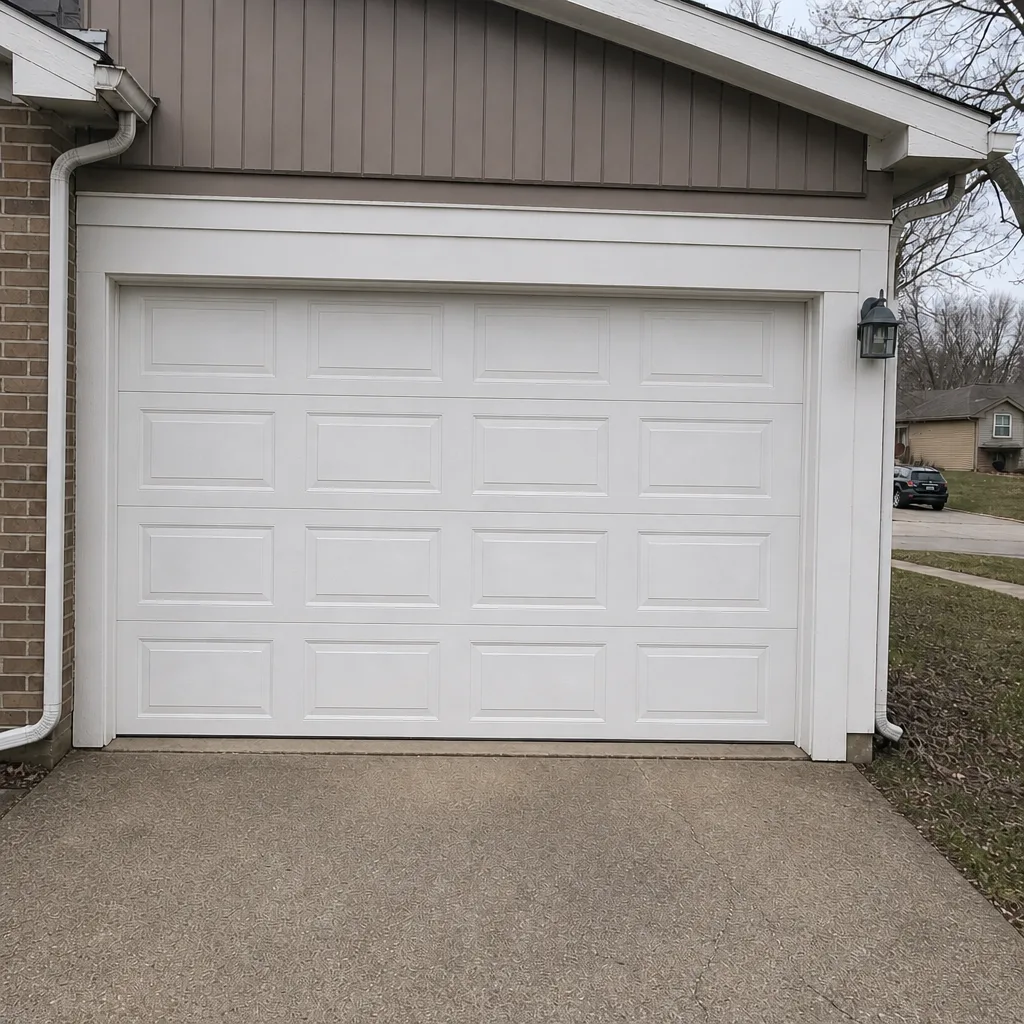 After
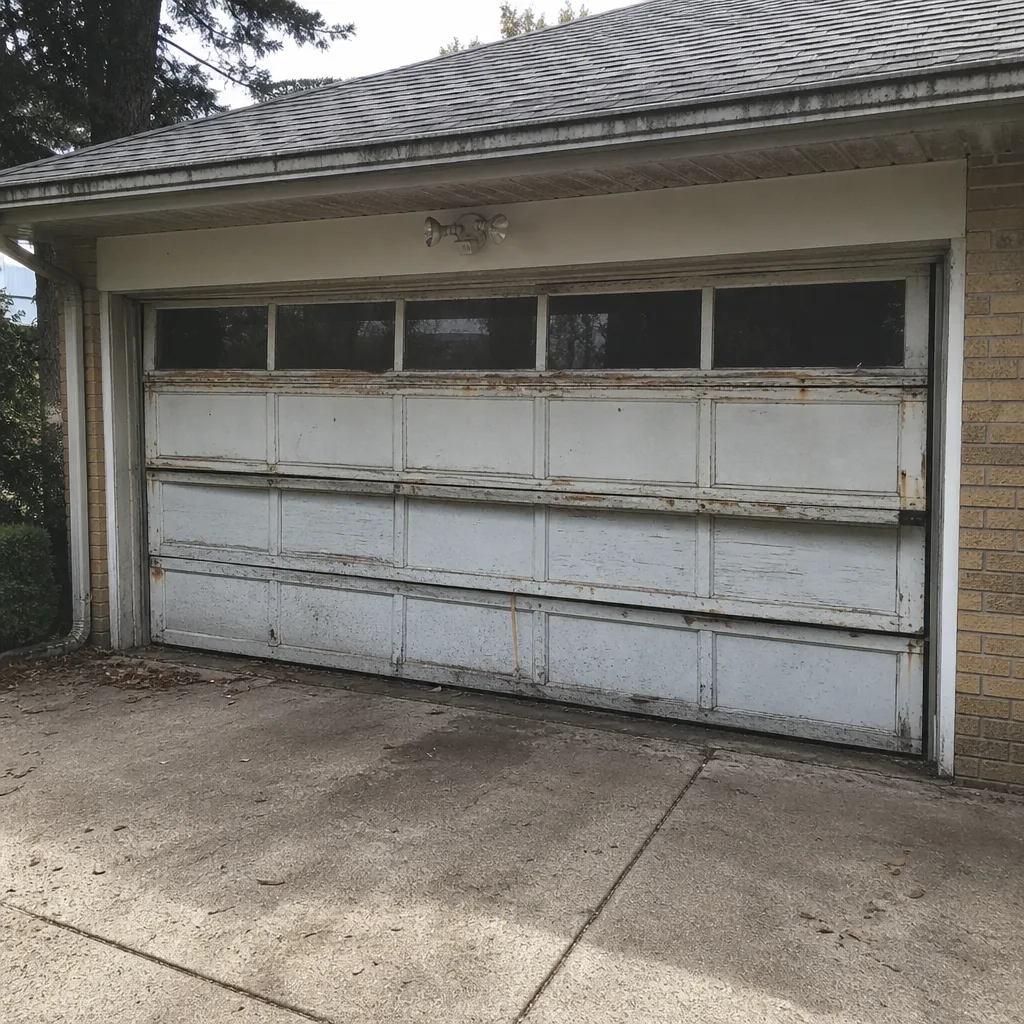 Before
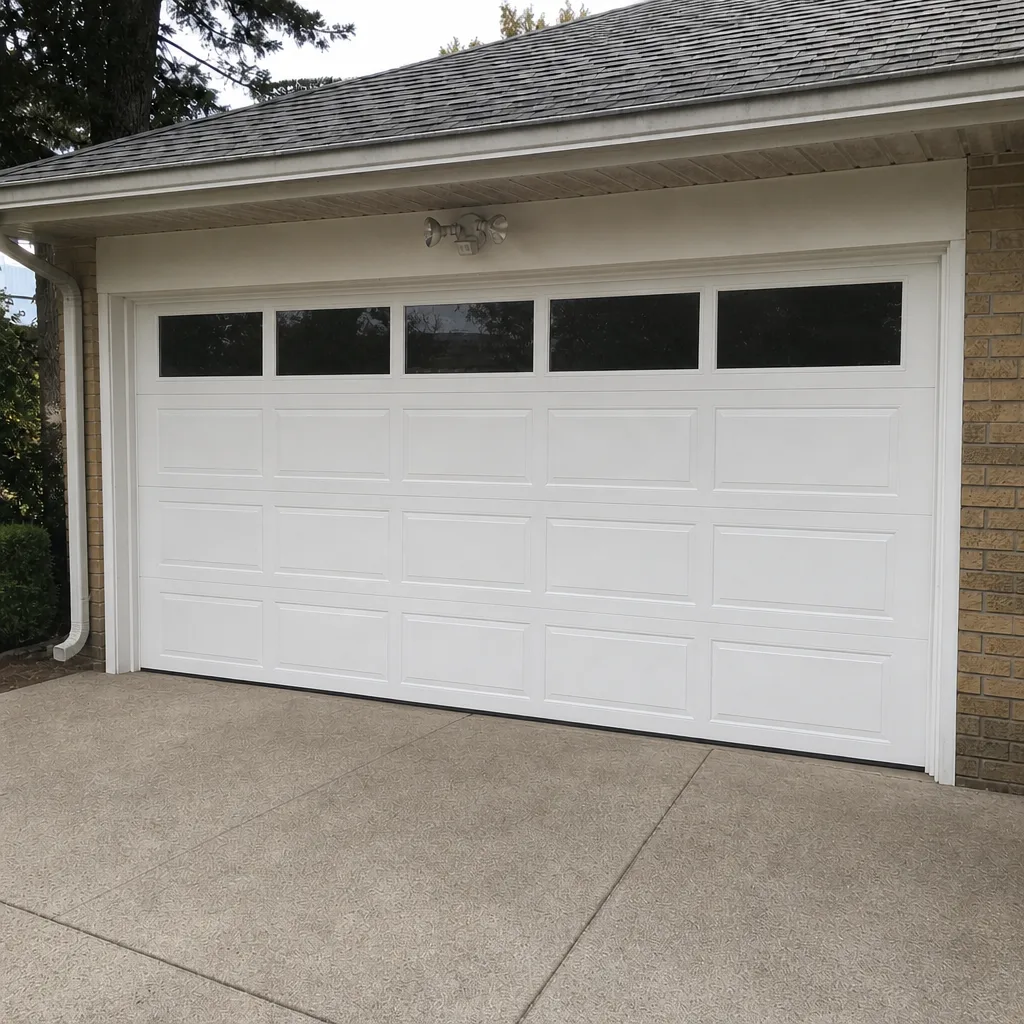 After
When to Call a Professional
Call a professional the moment you see a red or yellow warning sign, and call before you use the door again. Signs that mean “call now” include a snapped spring, a visible frayed cable, a door stuck halfway, an uneven door that’s gotten worse, or a bang followed by the door not lifting. A warning sign that’s been there for a while but the door still works is a “call and book” situation, not a “wait and see.” Springs are under extreme tension. Cables can snap. Neither is a DIY job.
A trained technician can diagnose the exact system you have, check balance, replace a spring pair correctly, and verify the opener after the repair. Crystal Lake Garage Door Repair Pros offers free estimates in Crystal Lake. Call (844) 493-4287. We answer 24/7. Fast dispatch from 7am to 7pm, Sunday through Friday. The price is quoted and agreed before any work starts, so you know the number before the door moves.
Frequently Asked Questions
The earliest warning signs are noise (rattle, grinding, squealing), a door that feels heavier than it used to, and an opener that runs louder or reverses on its own. A spring with visible rust or pitting on the coil is already on the failure timeline, typically 60 to 90 days out in Crystal Lake’s humidity. If you catch a sign at that stage, book a repair rather than waiting for the snap. Call (844) 493-4287 for an exact quote; estimates are free.
Not always. A light rattle or a squeak that shows up on a cold morning and fades is a yellow or green sign and usually means the rollers, hinges or springs need lubrication or adjustment. A grinding or scraping sound combined with a door that feels heavy is more serious and should be checked before it gets worse. If you hear a bang and the door won’t open, stop and call.
Torsion springs are mounted on a metal rod above the door, usually in a matched pair. Extension springs stretch horizontally along the sides of the door, above the tracks. Crystal Lake’s post-2000 construction almost always has torsion; older homes on the historic downtown streets and mid-century neighborhoods often have extension springs. Look up at the door and the layout will tell you.
No. An uneven door has a mechanical problem: a cable has slipped or stretched, one spring has lost tension, or a track is out of alignment. Without repair it gets worse, not better. Don’t try to adjust the cables or springs; call a technician to check balance and replace the failed component.
Spring repair is priced per job and per spring, and a matched pair costs about twice a single spring. Because we don’t give a price until we’ve seen the door and confirmed the spring, the written estimate is the final number, agreed before any work begins. Estimates are free. Call (844) 493-4287 for an exact quote.
In most cases, yes. A door that won’t open or close, a snapped spring, or a failed cable is an emergency service call, and we can often get to you the same day. Call (844) 493-4287. We answer 24/7. Fast dispatch from 7am to 7pm, Sunday through Friday. A call outside dispatch hours is booked into the next opening, Sunday through Friday, 7am to 7pm.
The Bottom Line
Garage door failures have a timeline, and the warning signs sit at predictable points on it. Noise is early. Visible rust, uneven panels and opener strain are the middle stretch. A bang, a snap, or a door that won’t lift is the end. The earlier sign you act on, the cheaper and safer the fix. Check the springs, cables and balance once a season, keep the tracks clean and dry, and treat unevenness and rust as real warnings rather than cosmetic details. When you see something that makes you unsure, call.
Contact
If your door has started showing any of these warning signs, don’t wait for the snap. Call Crystal Lake Garage Door Repair Pros at (844) 493-4287 for a free estimate. We answer 24/7. Fast dispatch from 7am to 7pm, Sunday through Friday. Our technicians have up to 13 years of experience working on LiftMaster, Chamberlain, Genie, Clopay, Amarr, Wayne Dalton, Craftsman and Raynor systems, and garage doors are all we do. Visit Crystal Lake Garage Door Repair Pros to book a repair or an installation estimate.
Written by the team at Crystal Lake Garage Door Repair Pros.