
Last updated November 22, 2026
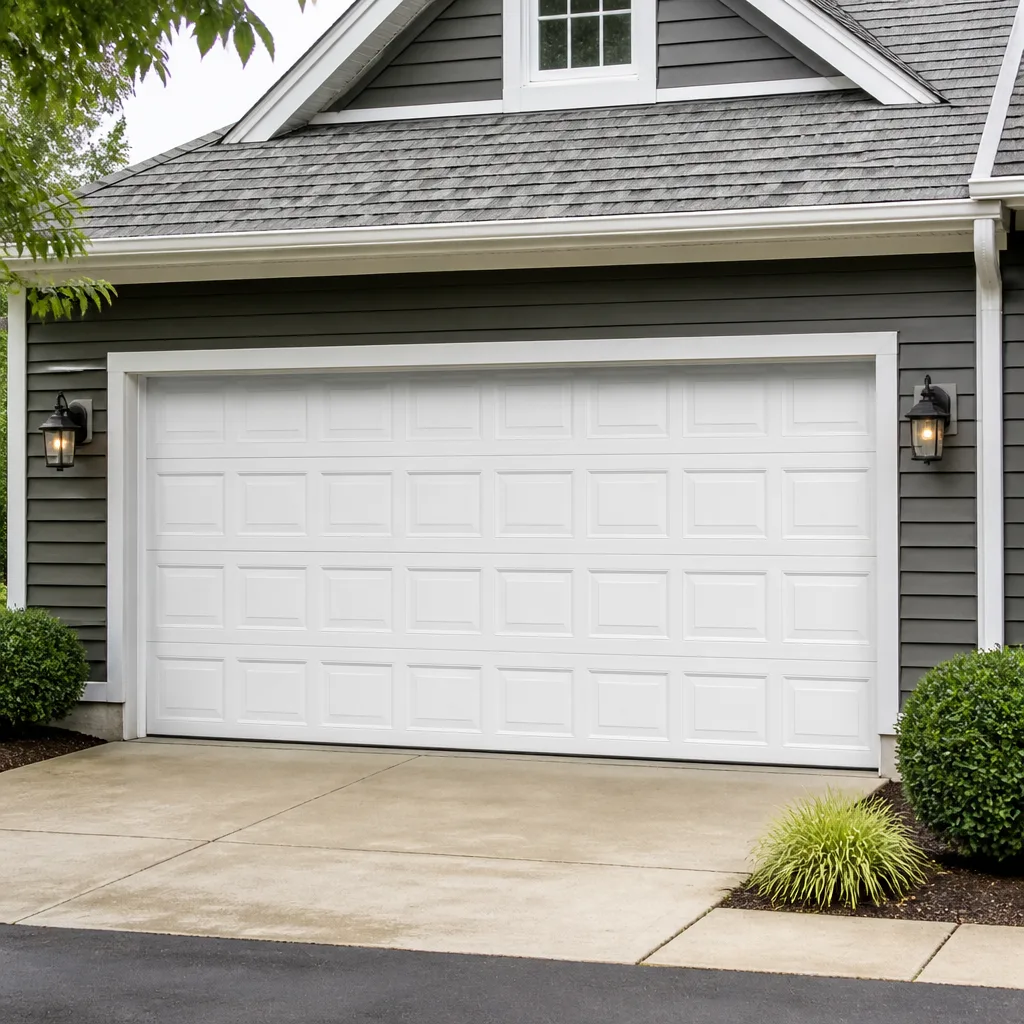 Raised-panel steel
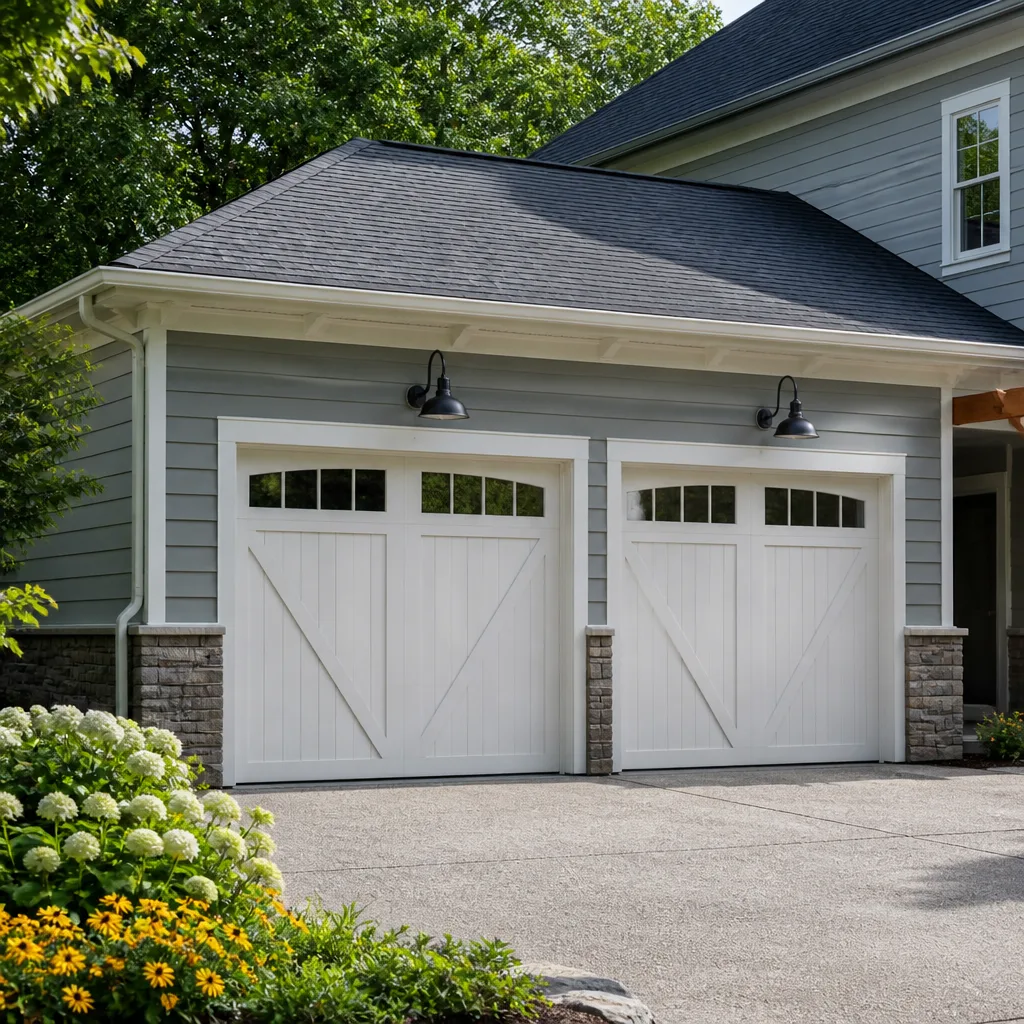 Carriage house
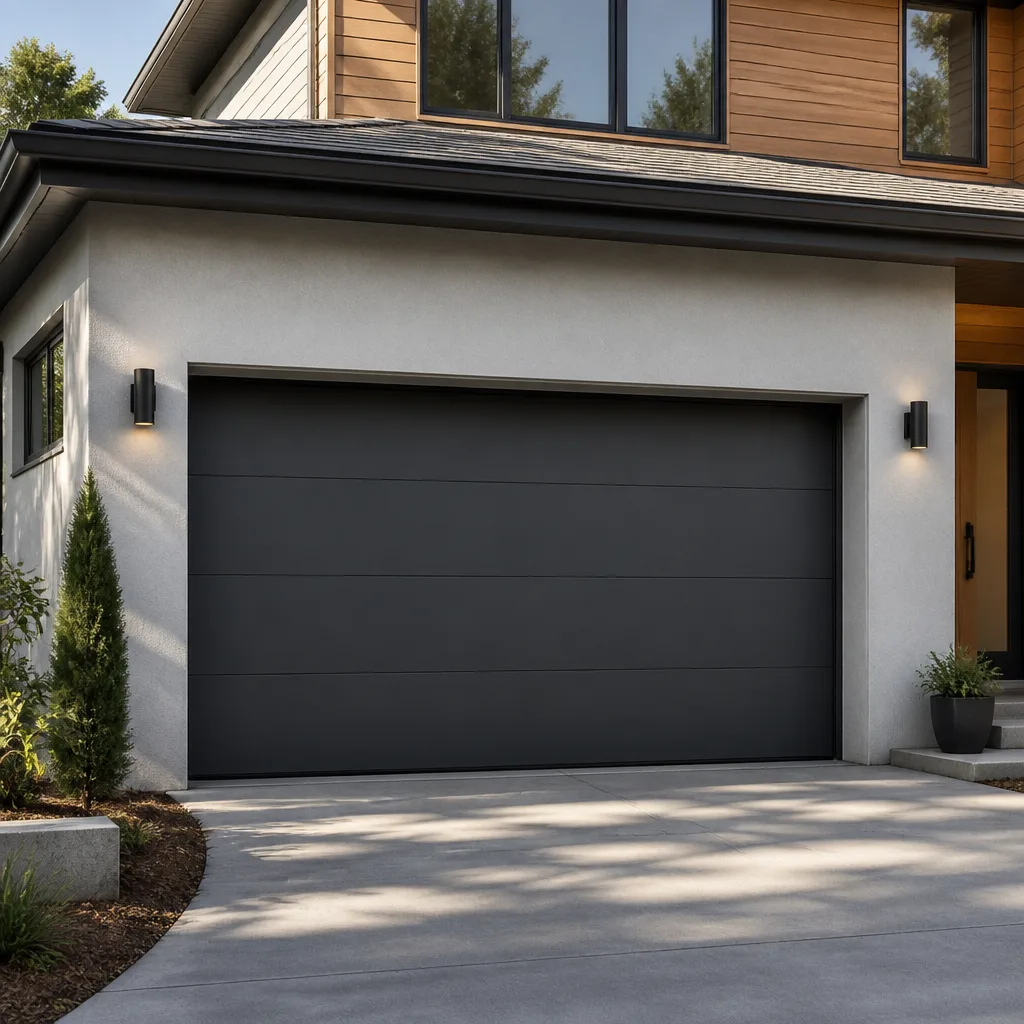 Modern flush
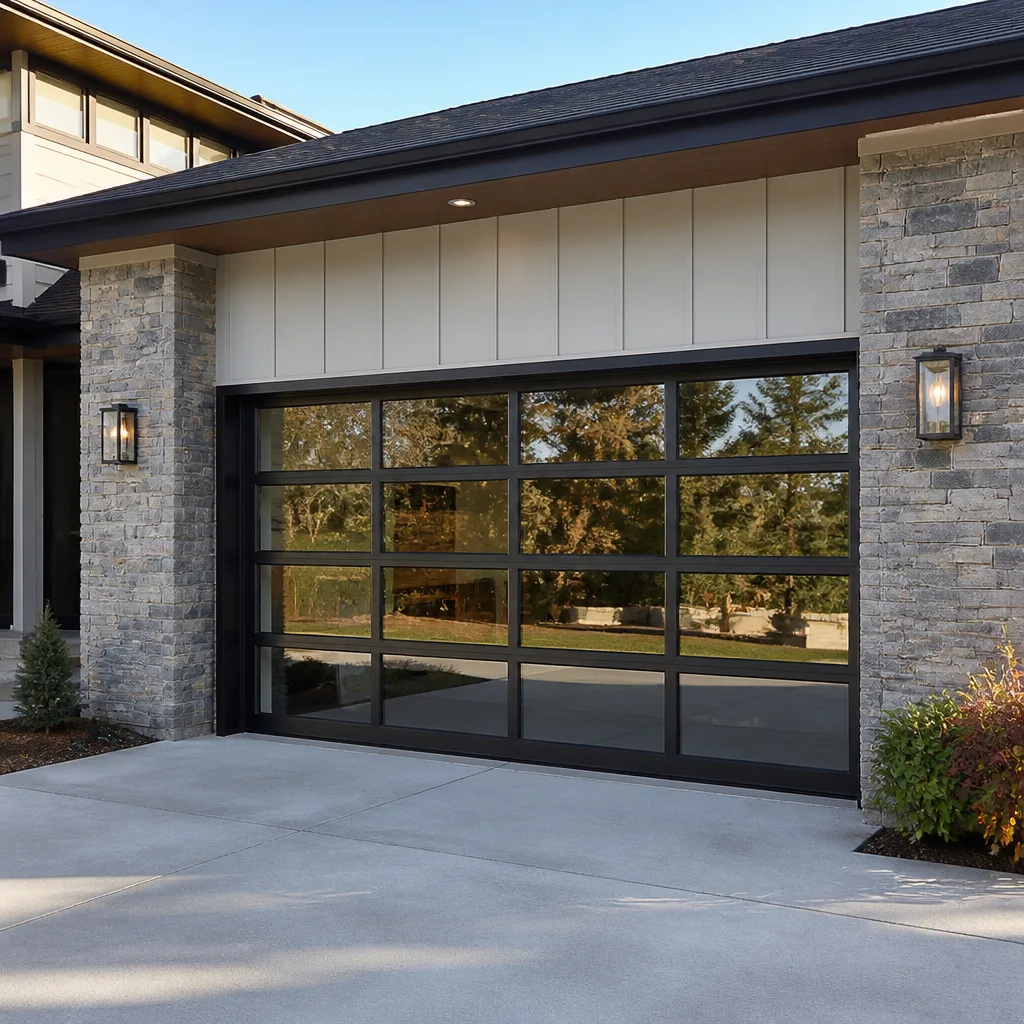 Full-view glass
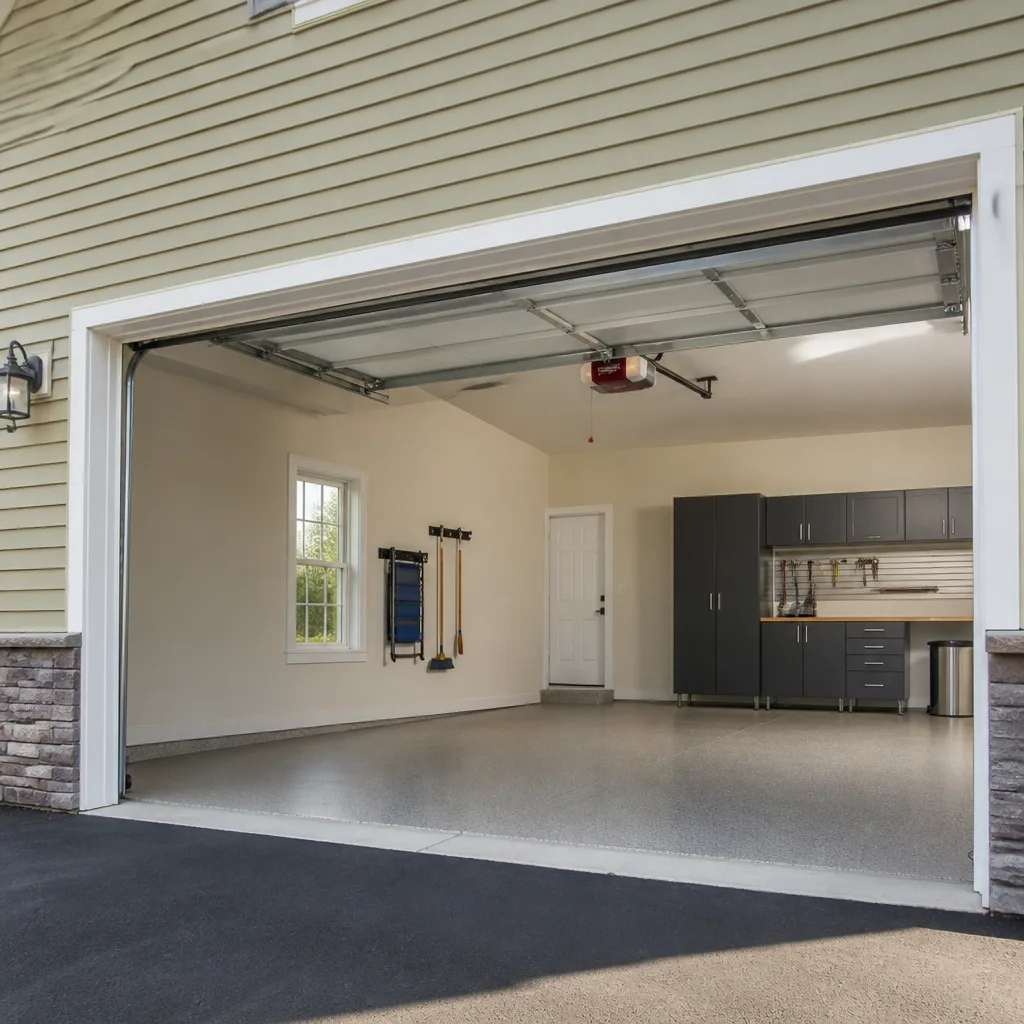 LiftMaster openers
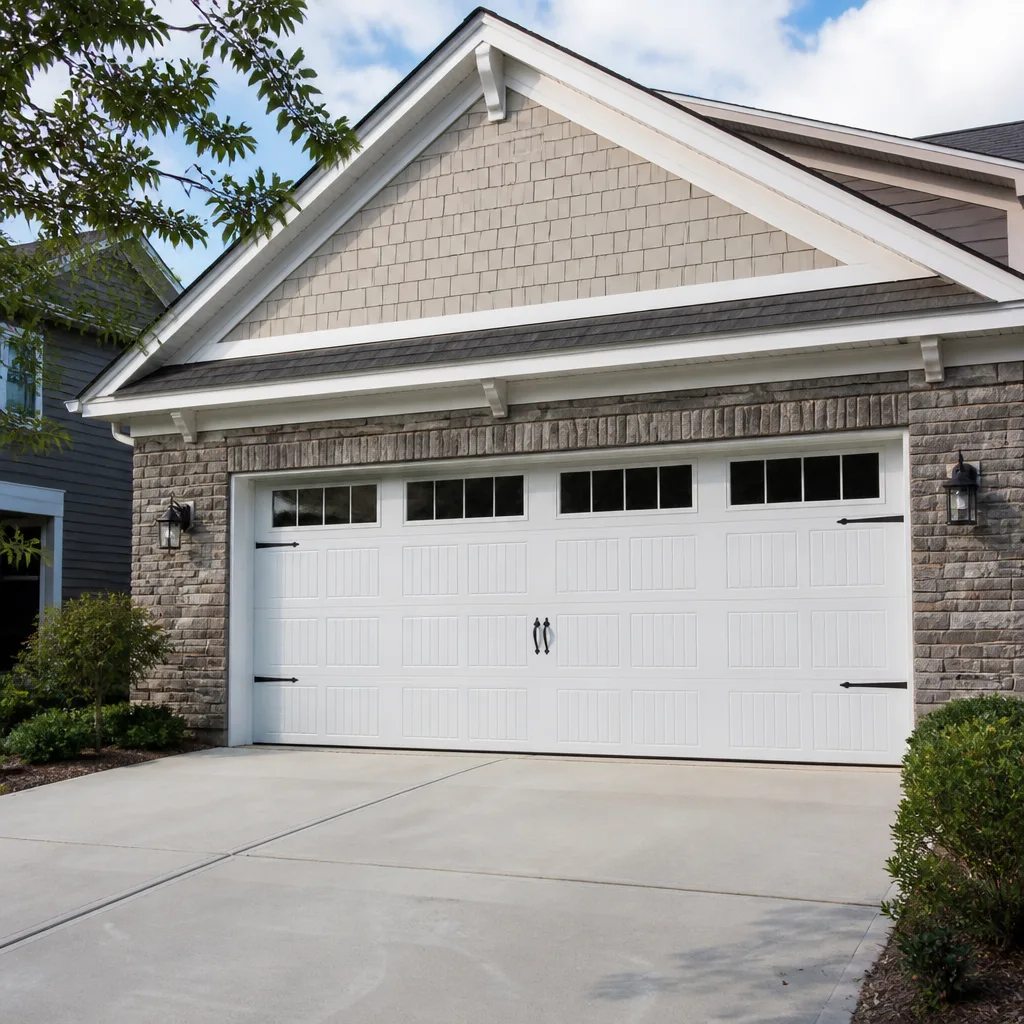 Chamberlain openers
Full 25-point door and opener safety check with every visit - springs, cables, rollers, tracks, and your LiftMaster or Chamberlain opener included
You get a price before we start. It does not change when the pro arrives.
Get your free estimateSeasonal Garage Door Care for Crystal Lake: Year-Round Homeowner’s Guide
A garage door that worked fine in October can be frozen shut, spring-snapped, or off-track by February, and the failure is rarely sudden. It’s usually the result of fall warning signs nobody addressed. Across Crystal Lake, the same pattern shows up every year: doors that ran clean in mild weather start grinding, sticking, or refusing to close once the temperature swings hard. This guide is built around Crystal Lake’s four genuinely distinct seasons and the different failure mode each one creates, so you know what to check and when. A single annual tune-up in spring misses three of the four windows when preventive action actually matters.
Quick Answer
Seasonal garage door care in Crystal Lake means matching your maintenance to the weather rather than doing one tune-up a year. Fall is for sealing the bottom weather stripping against frost heave and salt-treated driveways, winter is for watching how cold contraction changes spring tension, spring is for inspecting what meltwater did under the door, and summer is for managing humidity-driven wood expansion and track clearance. Each season has one job, and skipping any of them is what turns a minor adjustment into a repair call.
Styles & brands we work with
- Raised-panel steel
- Carriage house
- Modern flush
- Full-view glass
- LiftMaster openers
- Chamberlain openers
Table of Contents
- Why Crystal Lake Doors Fail Differently Than Anywhere Else
- Fall: Pre-Winter Prep Before the First Freeze
- Winter: Cold Contraction, Spring Tension, and the Safe Manual Check
- Spring: What Meltwater Does Under Your Door
- Summer: Humidity, Wood Expansion, and Track Clearance
- Your One-Page Seasonal Task Card
- Common Mistakes to Avoid
- When to Call a Professional
- Frequently Asked Questions
Why Crystal Lake Doors Fail Differently Than Anywhere Else
Crystal Lake sits in a climate with real seasonal swing, and that swing is what your garage door actually has to survive. The door is a large, heavy moving assembly of steel or wood panels, tension springs, rollers, and tracks, and every one of those materials responds to temperature and moisture at a different rate. When the whole assembly expands and contracts together, small misalignments get absorbed. When one part moves and another doesn’t, you get binding, noise, and stress on the hardware.
That’s the core problem with a spring-only tune-up schedule. The work that protects a door in October is different from the work that protects it in July. In fall you’re fighting moisture intrusion before the ground freezes. In winter you’re dealing with contraction and the tension change it puts on springs. In spring you’re inspecting the damage the melt left behind. In summer you’re managing humidity that swells wood and closes the clearance in your tracks. Four seasons, four different jobs.
Most garage door problems we see in Crystal Lake trace back to one of these windows being skipped. A door that hasn’t been sealed before the first hard freeze lets water under the bottom seal, and that water refreezes and grabs the door. A door that ran perfectly in summer can snap a spring in a cold snap because the tension that felt fine in warm weather is now too high for the contracted assembly. And a wood door that swelled in July humidity can bind in the tracks and start wearing out rollers from a symptom nobody noticed until the door started jumping.
There’s also the driveway itself. Crystal Lake driveways get treated through the winter, and that treatment tracks onto the door and its hardware. Salt residue accelerates wear on rollers, hinges, and the bottom bracket. It’s not an emergency, but it’s cumulative, and it’s one of the reasons a pre-winter wash-down belongs in your seasonal routine.
The good news is that none of this requires special tools or a lot of time. What it requires is doing the right check at the right time of year, which is exactly what the rest of this guide covers. If you’d rather not run any of it yourself, our garage door care in Crystal Lake team can walk the whole sequence with you.
Fall: Pre-Winter Prep Before the First Freeze
Fall is the most important maintenance window of the year, and it’s the one most homeowners skip or do too late. The goal is simple: get the door sealed, cleaned, and lubricated before the ground freezes and before the first snow forces the door to deal with moisture it can’t shed.
The single biggest fall task is checking the bottom weather stripping. That rubber or vinyl seal is the door’s only barrier against water, cold air, and driveway melt. Run a hand along the entire bottom of the closed door and feel for gaps, cracks, or sections that have dried out and gone brittle. A seal that’s already stiff and cracked will fail when it hits the first freeze. Replacing it in mild fall weather is a straightforward job; replacing it in January when the door is frozen to the floor is not.
Crystal Lake’s frost heave makes this critical. When the ground freezes and heaves, a door that was squared to the driveway in October can end up with a gap at one end and a hard contact point at the other. If the bottom seal was already tired, the heave finishes it off. A clean, flexible seal absorbs that change. A brittle one cracks and lets water straight in.
Fall checklist, in order
- Close the door and inspect the full length of the bottom weather stripping for cracks, gaps, and stiffness.
- Wash down the door panels and hardware to remove summer dirt and any driveway treatment tracked on over the season.
- Lubricate rollers, hinges, and the spring coils with a garage-door-specific lubricant, not general-purpose oil.
- Test the door’s balance by disengaging the opener and lifting it halfway. It should hold with minimal effort.
- Check the safety reverse on the opener by placing a solid object in the door’s path and confirming the door reverses.
- Look at the tracks for dents or debris, and tighten any loose track bolts you can reach safely.
- Clear the driveway and the area around the door of leaves and debris that will hold moisture against the seal all winter.
None of those steps involve the springs, the cables, or the door’s internal tension. That’s deliberate. Fall is when we get the most calls about doors that were “fine” until the first freeze, and the ones that were fully prepped are the ones that sail through. If you hit something in this checklist that looks wrong, especially a door that won’t hold its balance or a bottom seal that’s already gone, it’s worth a professional look before the cold sets in. Our garage door repair service covers all eight of the major brands we work on, so a prep visit on a Clopay, Amarr, or Wayne Dalton door is routine.
Winter: Cold Contraction, Spring Tension, and the Safe Manual Check
Winter is when the door’s mechanical parts get tested, and the failure mode is contraction. Metal shrinks in cold. A torsion spring that held the door in perfect balance at 70 degrees is now tensioned for a shorter, stiffer assembly, and the door feels heavier to lift. The opener has to work harder. The springs carry more stress. If a spring was already near the end of its life in fall, the cold snap is often what finishes it.
This is also the season to be honest about what you should and shouldn’t touch. High-tension garage door springs store an enormous amount of energy, and a spring under load in cold weather is not something to handle with household tools. The safe winter check is observational, not hands-on.
The safe manual-operation check at sub-zero temperatures
- Pull the opener’s release handle to disengage the door from the motor.
- Stand clear of the door and lift it slowly by the handle, about a foot.
- Let go and see how it behaves. A well-balanced door should stay roughly where you left it.
- If the door drops fast, feels extremely heavy, or won’t stay lifted, disengage and leave it – the spring tension has changed with the cold and needs a professional.
- Re-engage the opener and test the door’s full open-and-close cycle from the wall control.
Do not adjust, wind, or unwind a torsion spring yourself at any temperature. That’s the one part of garage door work where the risk to fingers and hands is real, and it’s why we treat garage door spring repair as its own specialized service rather than folding it into general repair. If the door won’t hold its balance or you hear a loud snap, stop operating it. A door with a broken spring on one side is running on the other and can come down hard.
Winter is also when opener problems show up. LiftMaster and Chamberlain units are common in Crystal Lake homes, and both behave differently in cold: the motor’s internal lubrication thickens, the travel limits can drift, and the safety sensors can frost over and refuse to let the door close. If your door reverses immediately after starting to close, check the sensors for frost or a misaligned lens before assuming the motor is failing. Our garage door opener repair service handles the full range, from a frosty sensor to a motor that’s actually dead.
Spring: What Meltwater Does Under Your Door
Spring in Crystal Lake is snowmelt season, and that’s when the damage winter did under your door becomes visible. Meltwater runs down the driveway, pools against the bottom of the door, and seeps under the bottom seal. It carries salt residue, grit, and driveway debris with it. Where it goes, it takes the bottom seal’s elasticity and the floor track’s alignment with it.
The specific problem is the bottom seal and the floor track together. The seal gets saturated, softens, and starts to lose its shape. The floor track – the shallow channel the door’s bottom rollers ride in – collects the grit the meltwater brings, and that grit wears the rollers and the bottom bracket. By the time the ground dries out, you’ve got a seal that no longer seals and a floor track that no longer rolls smooth.
Post-snowmelt inspection sequence
- Wait for the driveway to dry fully, then open the door and look at the floor beneath it for water lines or dark patches that suggest pooling.
- Inspect the bottom weather stripping along its full length for soft spots, tears, or sections that no longer touch the floor when the door is closed.
- Look at the floor track where it meets the concrete for grit, rust, or debris packed into the channel.
- Run the door through a full cycle and listen for a grinding or rattling sound from the bottom rollers.
- Check the door panels for standing water marks or warping, especially on wood doors.
- Clean out the floor track with a stiff brush and vacuum, then lubricate the rollers.
- If the bottom seal is soft, torn, or not making contact, replace it before the summer humidity arrives.
Spring is also a good time to look at the door’s alignment as a whole. Repeated freeze-thaw cycles can shift the track slightly, and a door that’s off by even a small margin at the bottom can bind all the way up. A door that runs fine but looks slightly crooked, or that closes with a gap on one side, is telling you the track moved. That’s a quick fix if you catch it in spring, and a bigger one if it drags through the summer.
Summer: Humidity, Wood Expansion, and Track Clearance
Summer is the season of expansion, and it’s the one most guides ignore. Crystal Lake’s summers bring real humidity, and wood garage doors absorb that moisture. As the wood panels swell, the door grows slightly wider and slightly thicker, and that growth has to go somewhere. It goes into the tracks, and the clearance between the door and the track that felt fine in April starts to close.
You’ll notice it as binding. The door might close with a little more effort, or it might start to stick at one point in its travel and require a second press of the opener to finish the cycle. Left alone, that binding wears the rollers, strains the opener motor, and can eventually throw the door off track. The fix isn’t complex, but it has to happen before the binding gets bad.
Summer is also the season for the opener’s own maintenance. Heat causes the motor’s internal parts to work at different tolerances, and a LiftMaster or Chamberlain opener that was perfectly tuned in spring can drift slightly. The safety reverse feature is worth re-testing in summer for the same reason: the door’s travel distance changes slightly with the door’s expansion, and the opener’s limit settings can get out of sync.
Summer check for wood and steel doors
- Run the door through a full open-and-close cycle and note any point where it hesitates or sticks.
- Check the clearance between the door panels and the tracks on both sides.
- Test the opener’s safety reverse by placing an object in the door’s path and confirming the door reverses.
- Look at the wood panels for swelling, warping, or paint failure that lets moisture in.
- Lubricate the hinges and rollers again, since summer humidity can make the existing lubricant run.
- Check the sensors for heat-related misalignment or dust buildup.
If a wooden door is binding in summer and you can’t get the clearance back, the tracks may need a small adjustment. That’s a job for a technician because the door has to be balanced and the tracks have to be set square. A Genie opener on a swelling wood door is a common pairing in Crystal Lake, and it’s one of the setups where a summer track adjustment saves a lot of wear on the motor over the following years.
Your One-Page Seasonal Task Card
The most useful thing you can do with everything above is compress it onto a single page you can keep in the garage. Photograph it and keep it on your phone, or print it and tape it to the inside of the garage door frame. When a season changes, glance at the card and run the check. The card is not a replacement for a professional tune-up; it’s the homeowner-level check that tells you when to call one.
| Season | What to Check | Why It Matters | Call a Pro If… |
|---|---|---|---|
| Fall | Bottom weather stripping, door balance, lubrication, driveway cleanup | Seal the door before the first freeze and frost heave | The bottom seal is cracked, or the door won’t hold its balance |
| Winter | Manual lift test, opener behavior, sensor frost | Cold contraction changes spring tension and stresses the hardware | The door drops fast, feels extremely heavy, or you hear a snap |
| Spring | Bottom seal condition, floor track grit, panel water damage | Meltwater seeps under the door and wears the bottom hardware | The seal is soft or torn, or the floor track is packed with grit |
| Summer | Binding, track clearance, safety reverse, wood panel swelling | Humidity expands wood and closes the track clearance | The door binds or sticks, or the opener fails the reverse test |
Keep the card simple. The four rows above are the entire seasonal plan, and the value is in checking them at the right time, not in doing a deep inspection every month. A homeowner who does the fall row and the spring row gets most of the benefit. A homeowner who adds the winter manual check catches spring failures before they turn into emergency calls.
One practical note: write down what you find each season, even if it’s just “bottom seal soft on left side.” Patterns show up over two or three years, and a door that consistently binds in August is telling you something about the door’s installation that a single visit won’t reveal.
Common Mistakes to Avoid
Most seasonal damage we see in Crystal Lake is the result of a handful of recurring homeowner mistakes. Each one looks small in the moment and adds up over a season.
- Doing one tune-up a year and calling it done. Spring-only maintenance misses the fall sealing window, the winter contraction check, and the summer expansion check. Four seasons need four looks, even short ones.
- Waiting for the first freeze to replace a tired bottom seal. A seal that’s already stiff on a mild October day will fail outright in January. Replacement in fall weather is routine; replacement in frozen ground is a repair call.
- Spraying general-purpose oil on the springs and hinges. Household oil attracts grit that grinds the rollers. Use a garage-door-specific lubricant, and don’t over-apply.
- Adjusting a torsion spring yourself. This is the one mistake that can cause real injury, and it’s the reason spring work belongs to a technician. Never wind, unwind, or tighten a spring under tension.
- Ignoring summer binding as “just a heavy door.” A door that binds in July is telling you the track clearance closed. Left alone, it wears the rollers and strains the opener.
- Skipping the floor track after snowmelt. Grit packed into the floor channel wears the bottom rollers all summer. A stiff brush and a vacuum in spring prevents that.
- Assuming the sensors are fine because the door worked yesterday. Frost in winter and dust in summer both cause sensor failures. Test the door’s reverse function after every season change.
When to Call a Professional
Some seasonal work is homeowner-level and some is not, and knowing the line saves both money and risk. Call a professional if you find a broken or visibly sagging spring, a cable that’s frayed or slack, a door that won’t stay balanced when you lift it manually, or a track that’s bent or pulled away from the frame. Call if the door reverses for no obvious reason, if the opener makes a grinding sound it didn’t make last month, or if the door has come off its track at any point. And call if you’re simply not sure: a free estimate is a lot cheaper than a door that comes down on a vehicle.
Crystal Lake Garage Door Repair Pros offers free estimates in Crystal Lake. Our technicians have up to 13 years of experience, we work on all eight major garage door and opener brands, and we’ve handled every one of the seasonal failures described in this guide. Call (844) 493-4287 for a free estimate. We answer 24/7. Fast dispatch from 7am to 7pm, Sunday through Friday, and we’re closed on Saturday. If your door fails on a Saturday, call and we’ll book you for Sunday.
Frequently Asked Questions
Twice a year is the minimum for a Crystal Lake door, once in fall before the first freeze and once in spring after the snowmelt. That schedule covers the two highest-risk windows. If you have a wood door that swells in summer humidity, add a quick summer check for binding and track clearance. Doors that get heavy use, or that are on their second decade of service, benefit from a full professional tune-up each year in addition to the homeowner checks.
A garage door feels heavier in winter because the metal components contract in the cold while the spring tension stays set for warmer weather. The spring is doing the same work against a stiffer assembly, so the door needs more effort to lift. If the door feels extremely heavy or drops fast when you test it manually, stop operating it and call for service. That’s a spring that’s changed tension with the cold, and it can fail without warning.
Yes, bottom weather stripping is one of the few garage door parts a homeowner can replace without special tools or training, as long as the door is closed and the track isn’t damaged. Measure the door’s width, buy a seal that matches the door’s brand and model, and slide or fasten it into the bottom bracket. If the bottom bracket or the floor track looks bent or rusted, have a technician look at it rather than forcing a new seal onto damaged hardware.
Don’t force the opener. A door frozen to the floor can strip the opener’s gears or snap a spring when the motor pulls against the ice. Clear the ice from around the bottom seal with warm water or a de-icing method that doesn’t damage the concrete, then test the door manually before re-engaging the opener. If the door freezes to the floor repeatedly, the bottom seal isn’t making a proper contact line, and that’s a fall maintenance issue worth fixing before the next freeze.
It does, and wood doors are the most affected. Crystal Lake’s humid summers swell wood panels, which closes the clearance in the tracks and causes binding. You’ll notice it as a door that sticks at one point or needs a second press of the opener. Steel doors are less affected but their lubricant can run in the heat, so a summer re-lubrication and a track clearance check is worth doing either way.
No. We quote the price before any work starts, and the written estimate is the final price for the job described. If we find something during the visit that changes the scope, we stop and give you a new written estimate before touching it. There are no surprise additions after the work is done. Call (844) 493-4287 for an exact quote on your door – estimates are free.
The Bottom Line
Crystal Lake’s four seasons each put a different kind of stress on a garage door, and the maintenance that protects the door in one season does nothing for the others. Fall is for sealing the bottom weather stripping and prepping the door before frost heave and driveway treatment do their damage. Winter is for watching how cold contraction changes spring tension and knowing which checks are safe to do yourself. Spring is for cleaning out what meltwater left under the door. Summer is for managing humidity-driven wood expansion and keeping the track clearance open before it causes binding. Run the four checks on the task card, call a professional when something’s off, and the door will handle the next season change without turning into an emergency. Garage doors are all we do, and from a broken spring to a brand-new door, we’re the call for Crystal Lake.
Call (844) 493-4287 for a free estimate. We answer 24/7. Fast dispatch from 7am to 7pm, Sunday through Friday, and we’re closed on Saturday.
Written by the team at Crystal Lake Garage Door Repair Pros.
See the difference
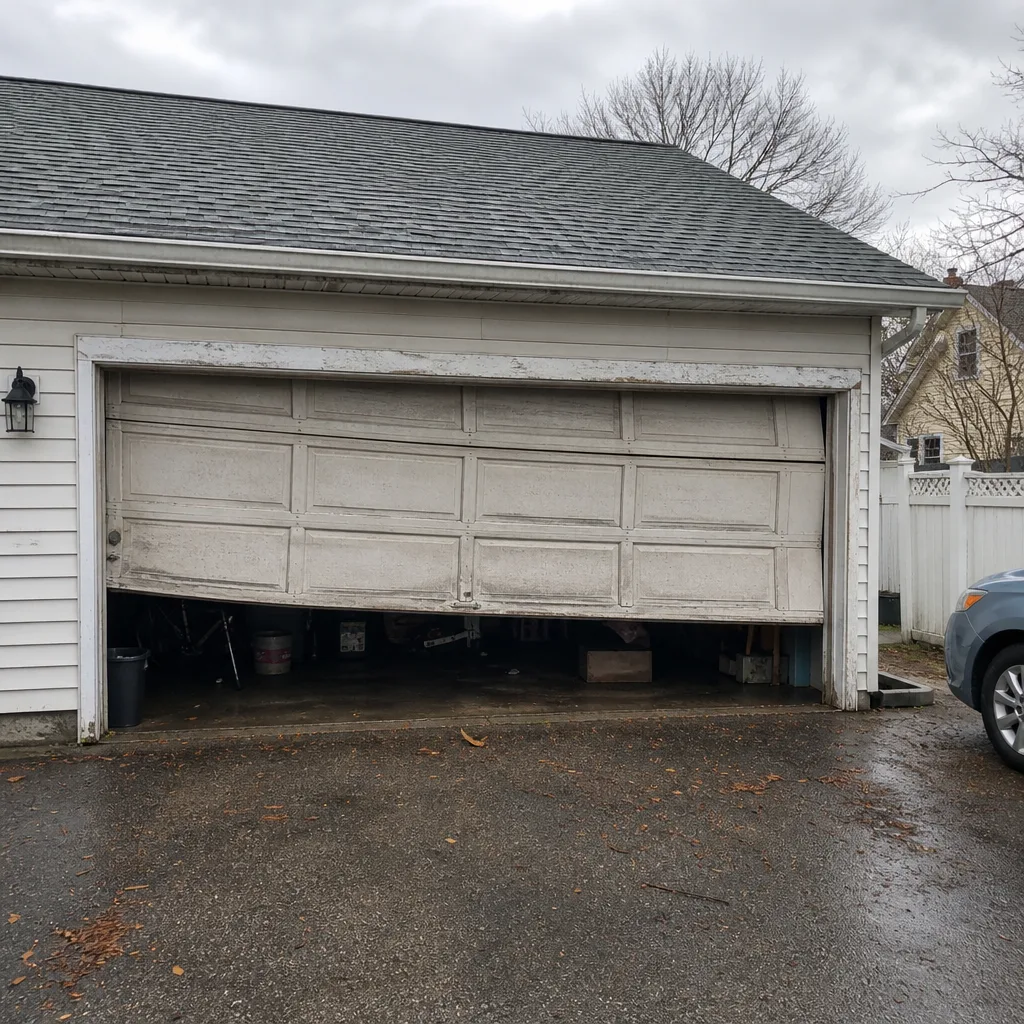 Before
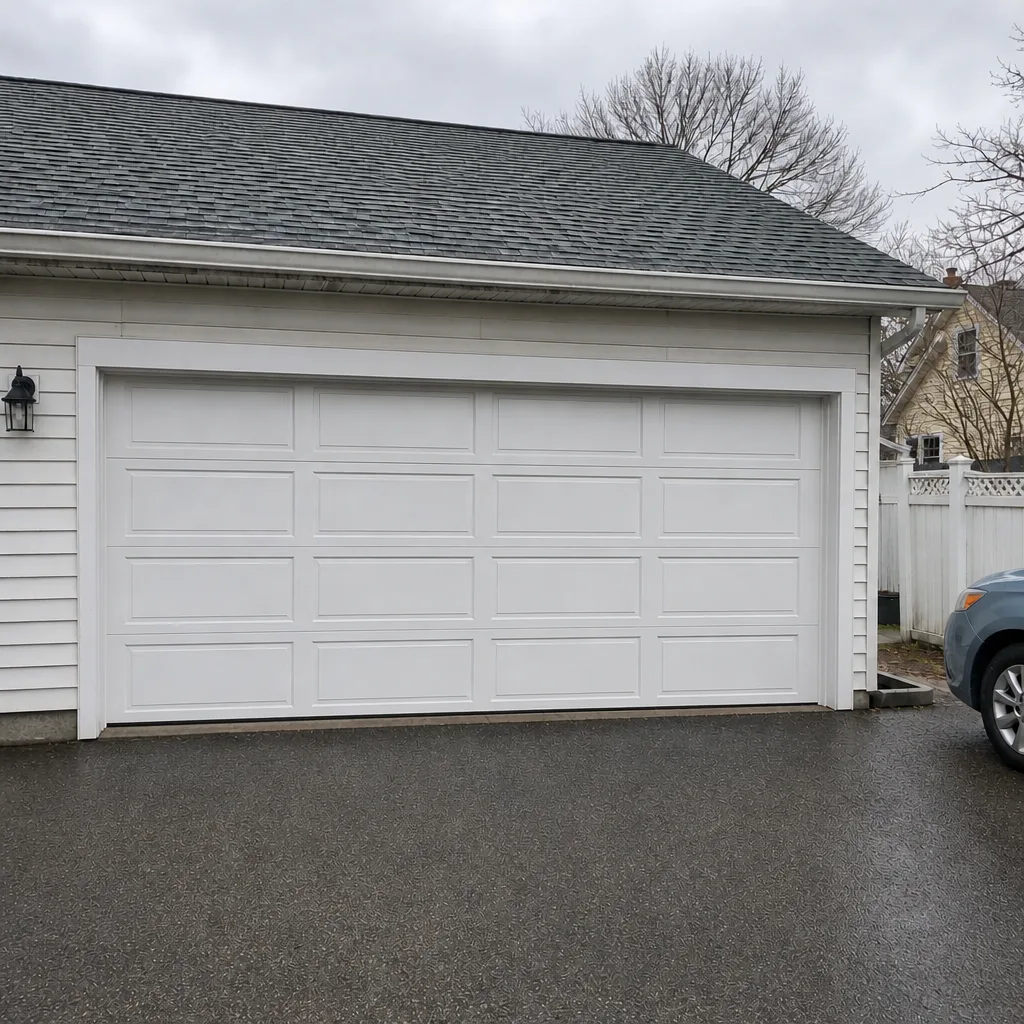 After
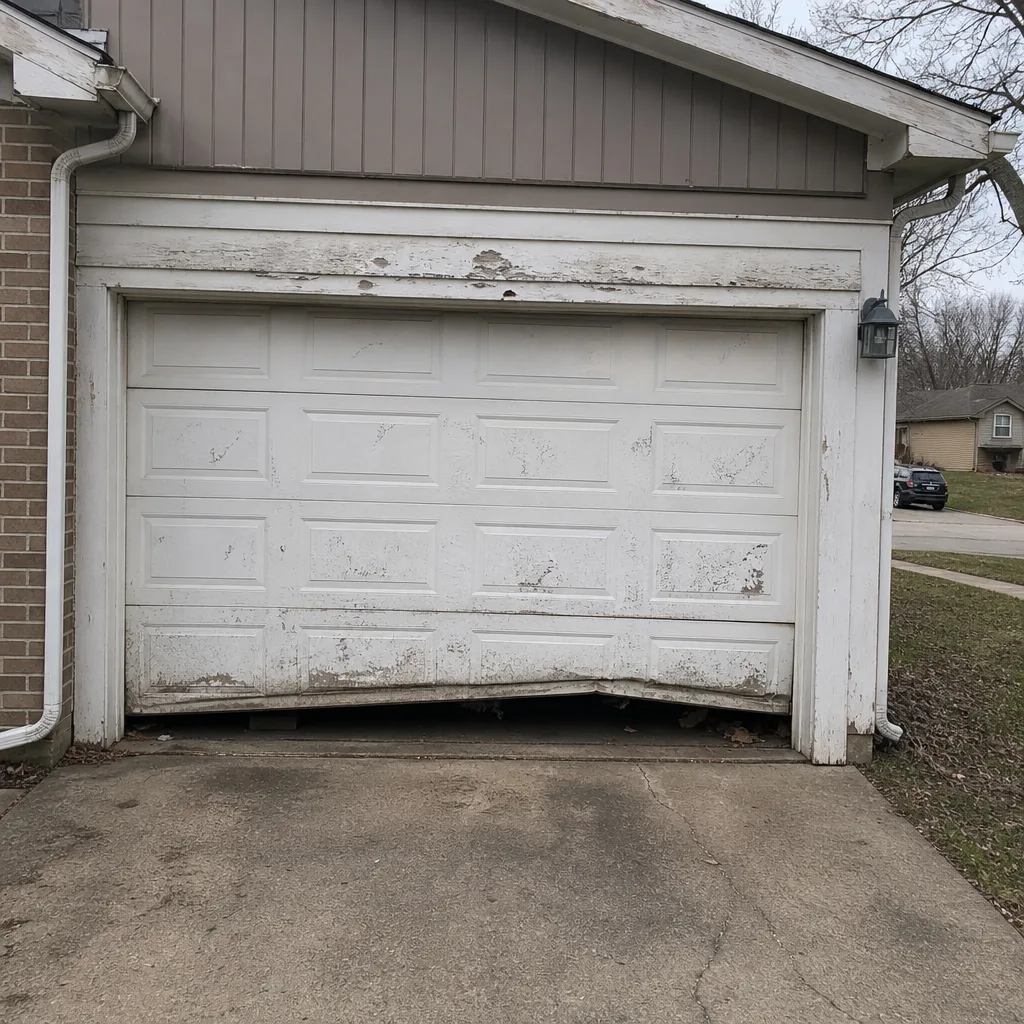 Before
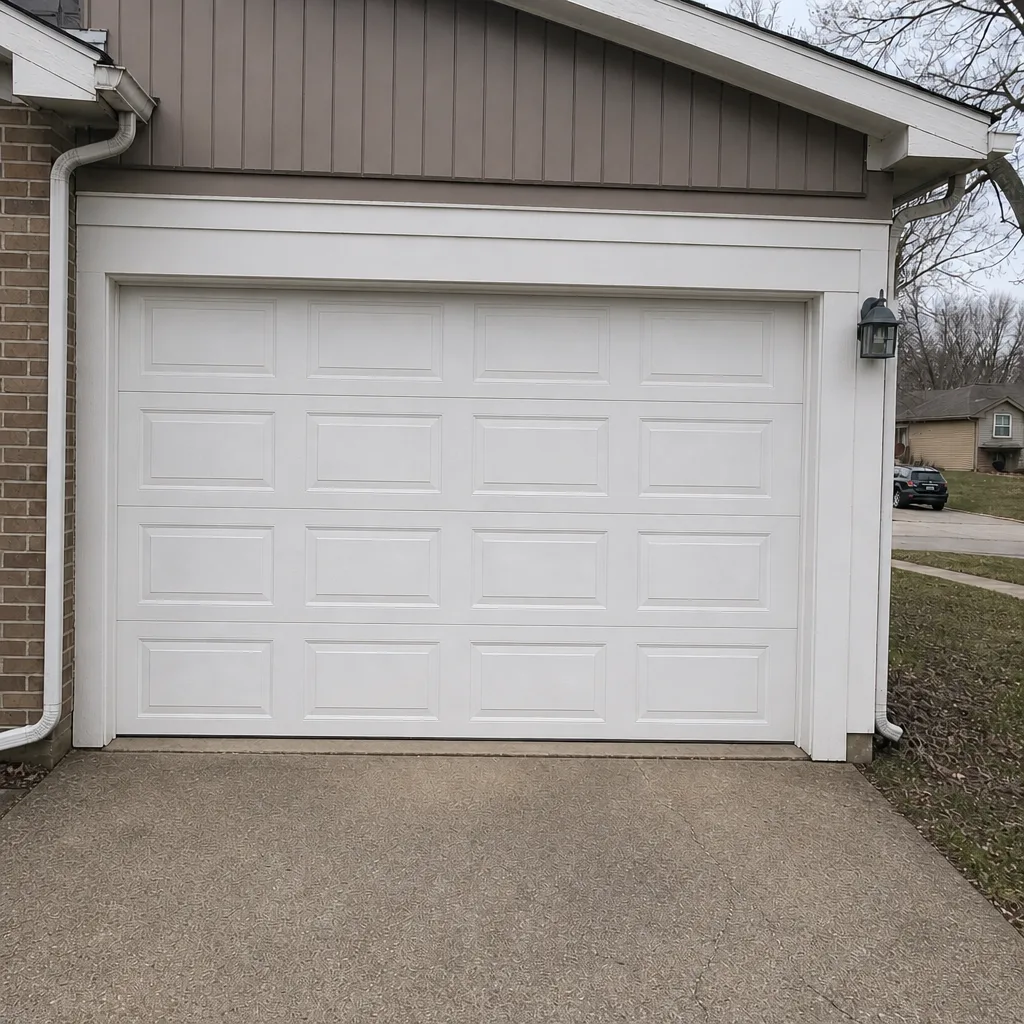 After
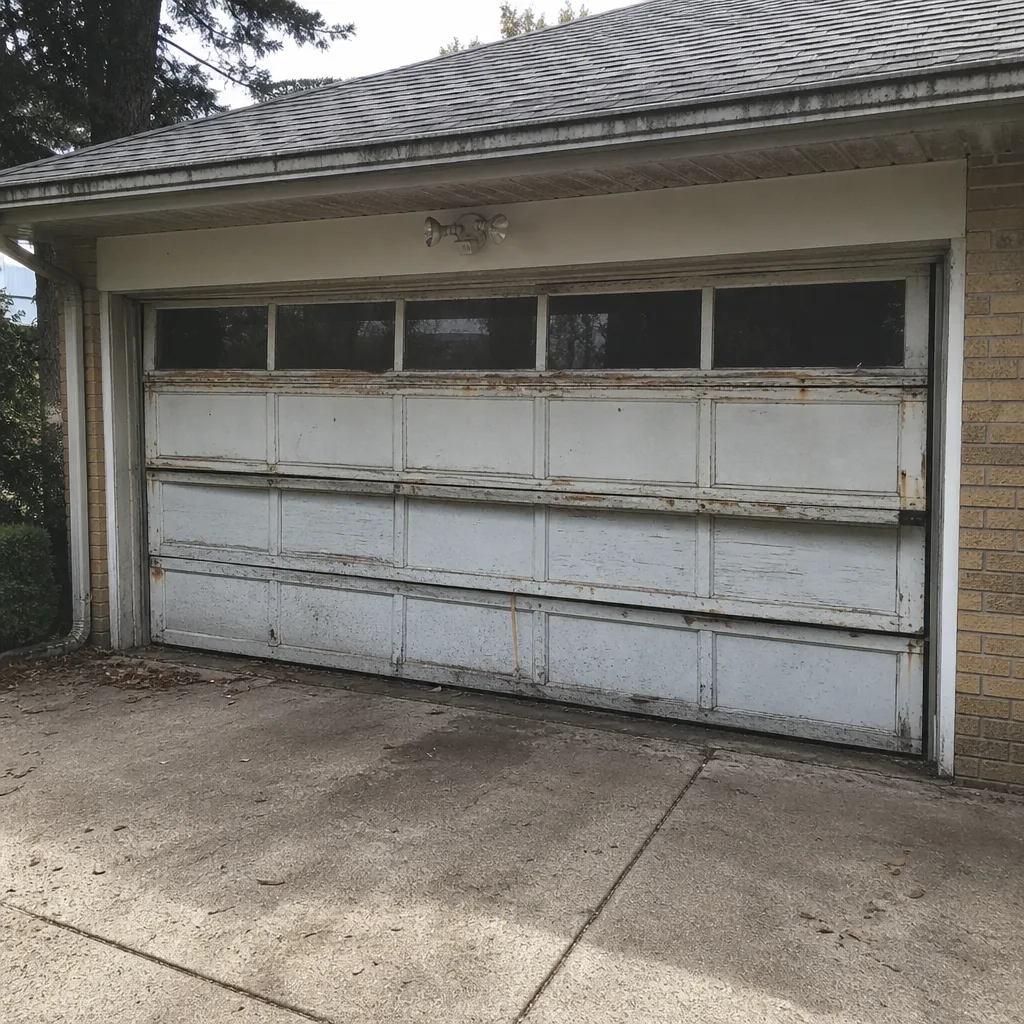 Before
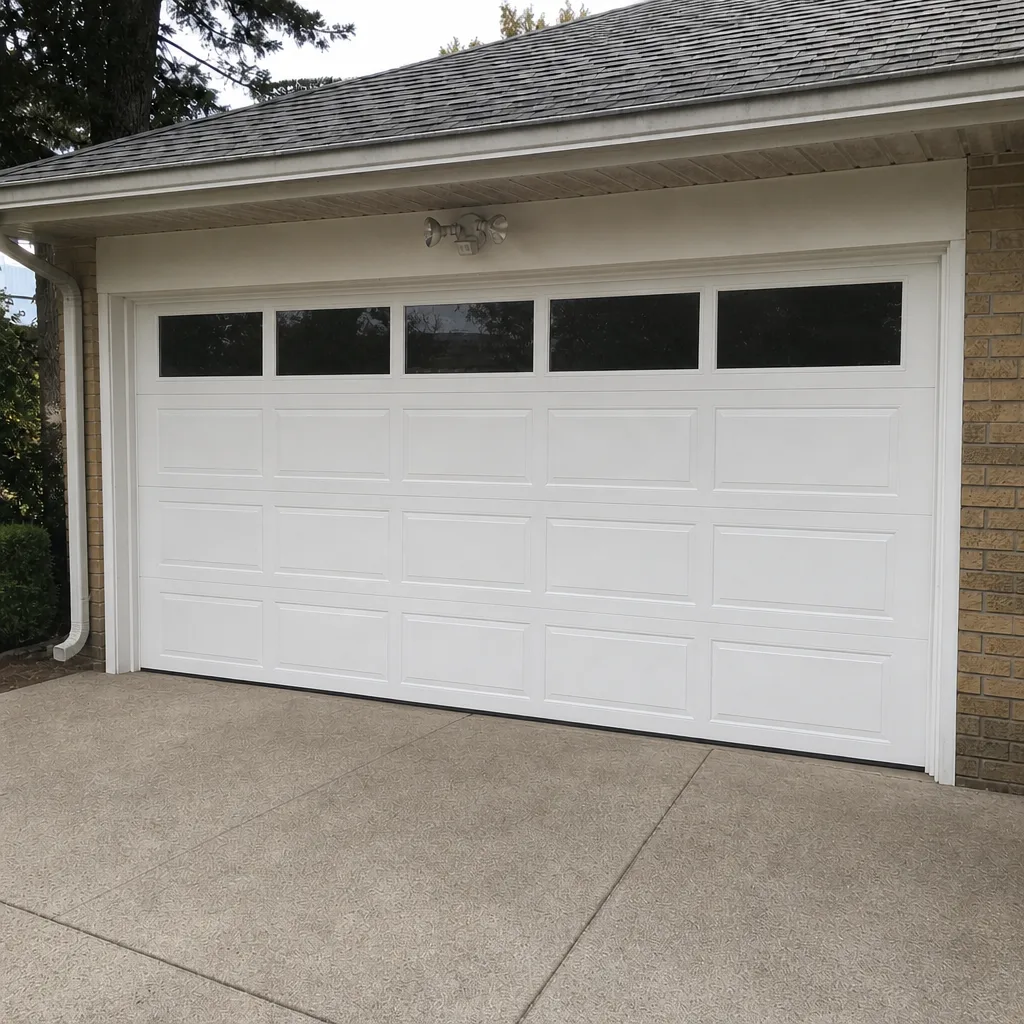 After