
Last updated November 22, 2026
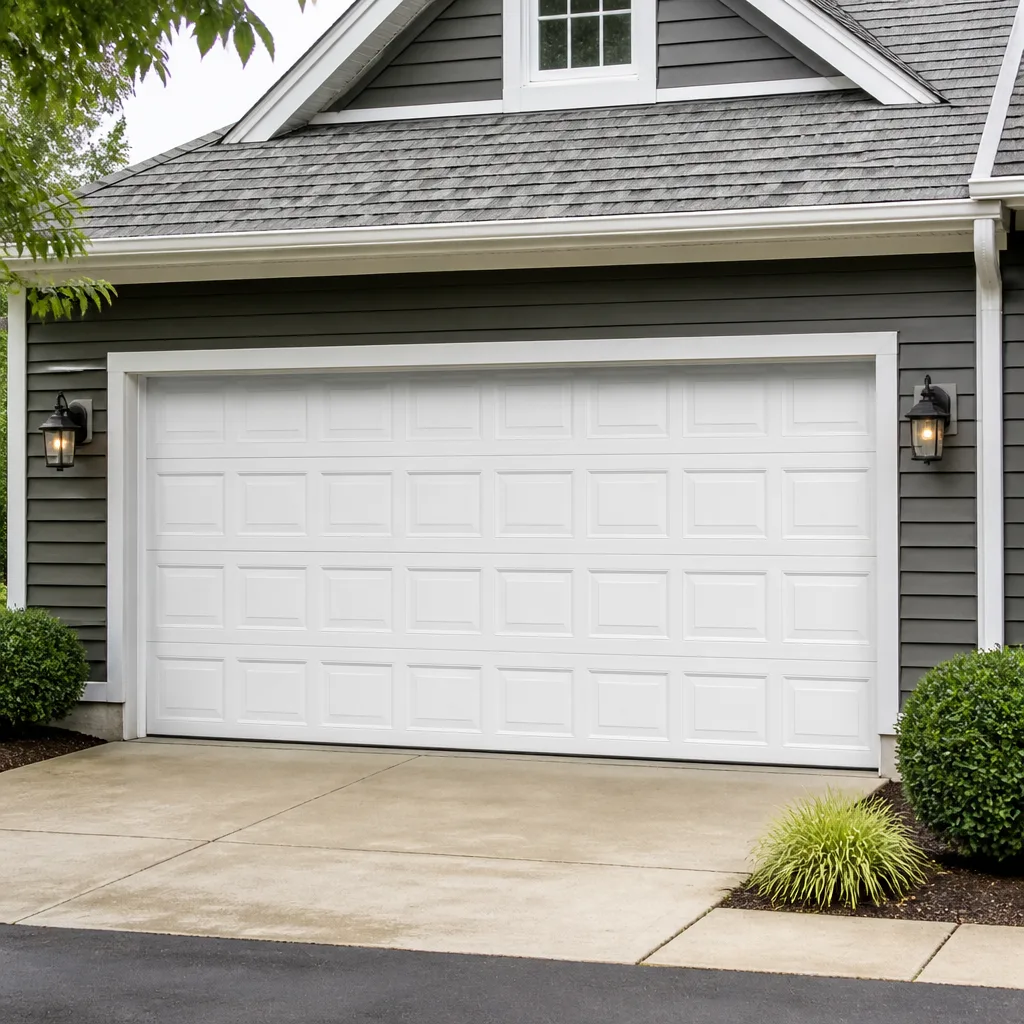 Raised-panel steel
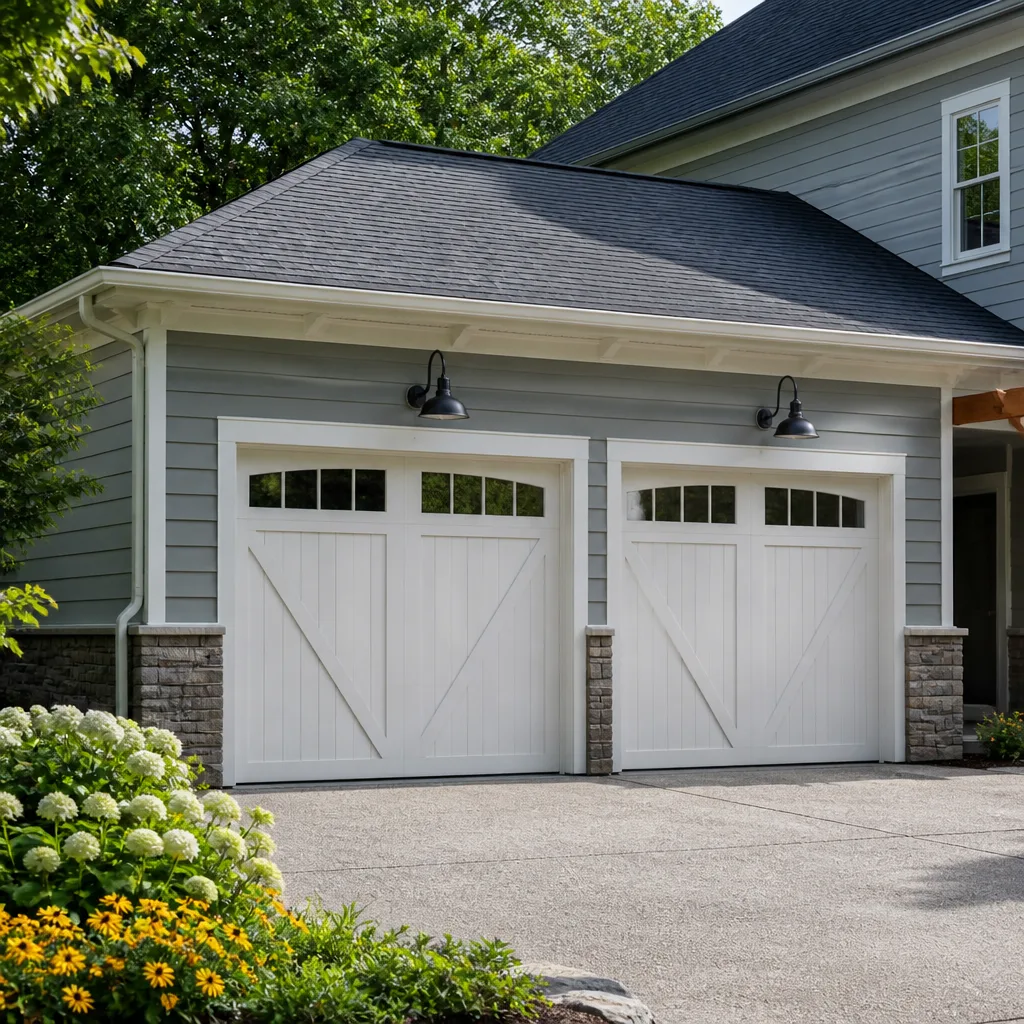 Carriage house
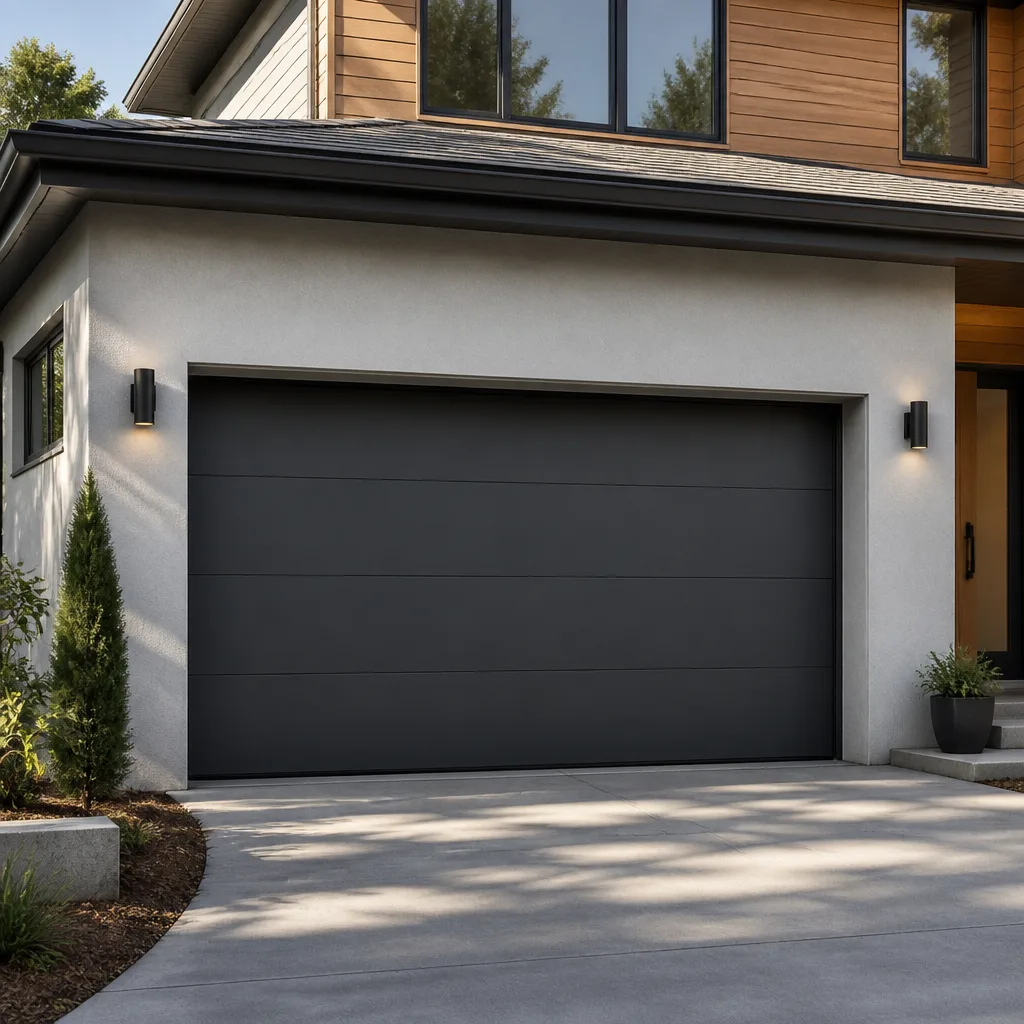 Modern flush
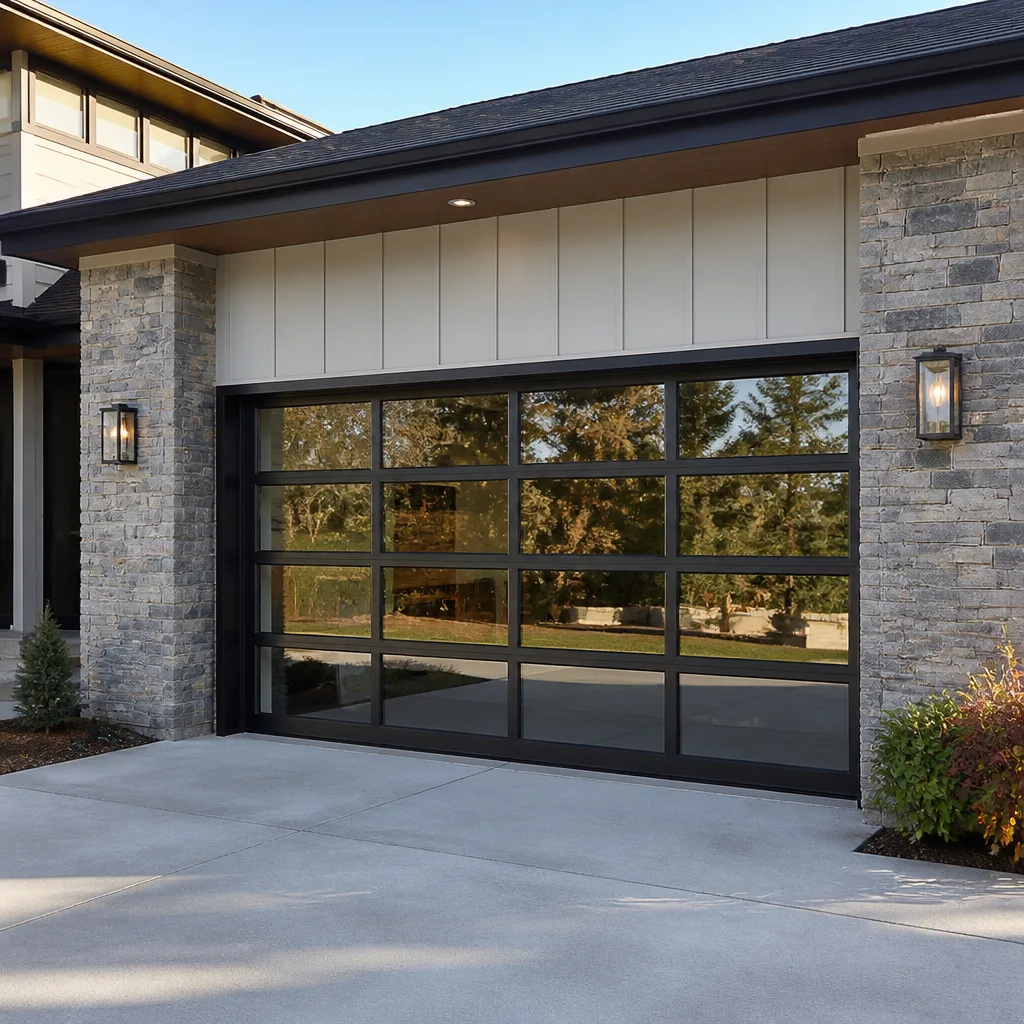 Full-view glass
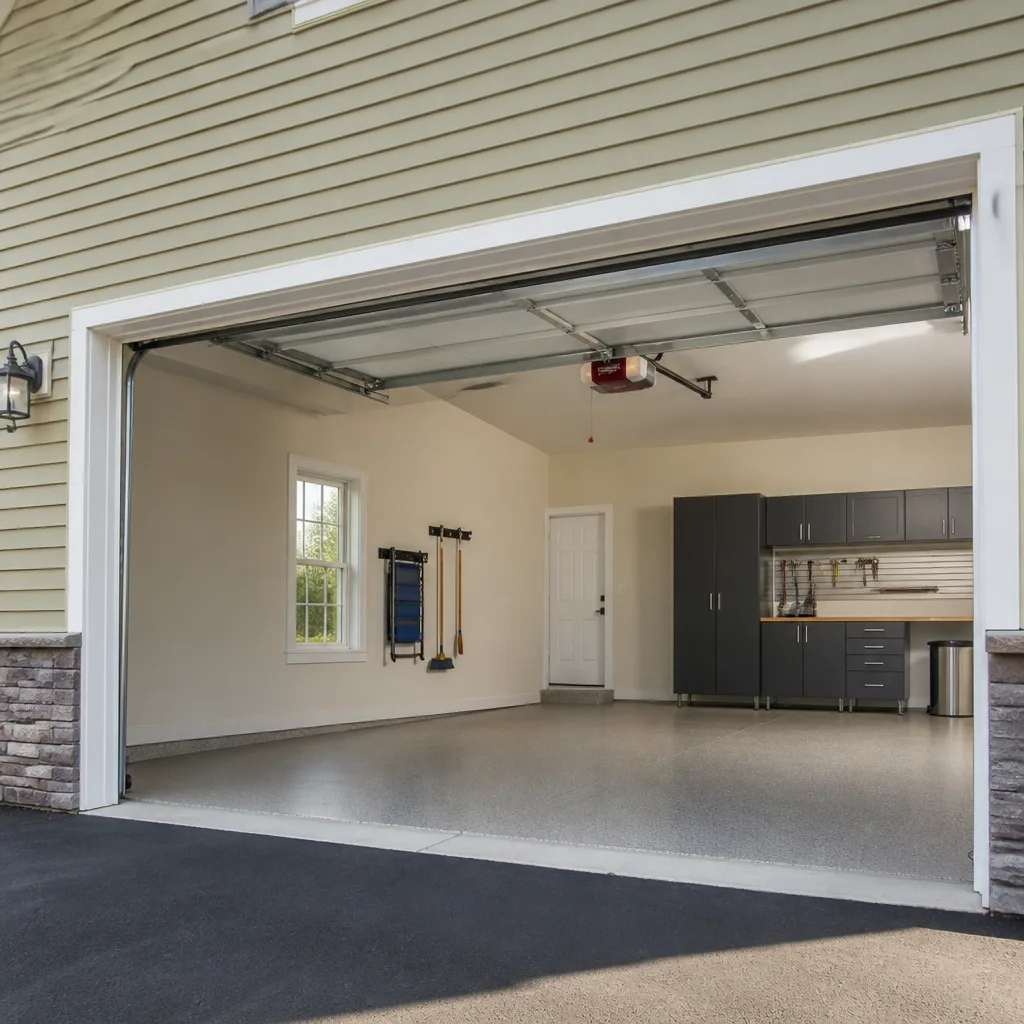 LiftMaster openers
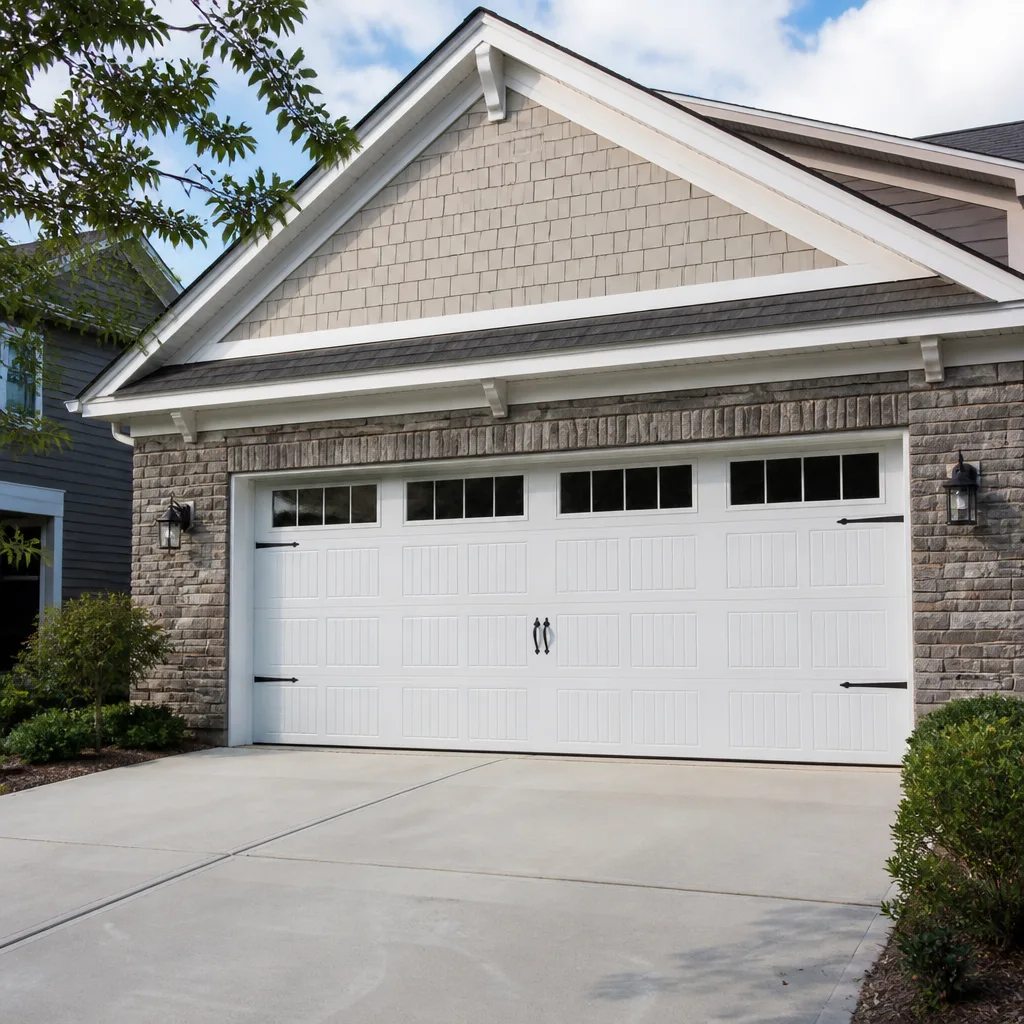 Chamberlain openers
Full 25-point door and opener safety check with every visit - springs, cables, rollers, tracks, and your LiftMaster or Chamberlain opener included
You get a price before we start. It does not change when the pro arrives.
Get your free estimateThe Complete Guide to Garage Doors in Crystal Lake
Most homeowners don’t think about their garage door until it stops moving. It’s the largest moving object in the house, it cycles thousands of times a year, and it takes the full brunt of every freeze-thaw swing that rolls through McHenry County. Yet it’s the one system nobody inspects until something snaps. That’s the mistake this guide is built to prevent. What follows is a practical, locally grounded look at how garage doors actually behave in Crystal Lake: which components fail first, what the local climate does to springs and seals, how HOA subdivisions handle door styles, what repairs and new doors realistically cost, and how to read the age of the door you already own.
Quick Answer
A garage door in Crystal Lake typically lasts 15 to 25 years for the panels and 7 to 12 years for the springs, depending on cycle count and how well the door is balanced. Most repair calls trace back to five components: springs, cables, rollers, hinges, and the opener’s logic board or drive gear. Repair costs usually run $95 to $650 depending on the part, while a full replacement door runs $850 to $3,400 installed for most residential sizes. The written estimate sets the final price, and it’s always agreed before any work starts.
Styles & brands we work with
- Raised-panel steel
- Carriage house
- Modern flush
- Full-view glass
- LiftMaster openers
- Chamberlain openers
Table of Contents
- How Crystal Lake’s Climate Affects Your Door
- HOA Rules and Door Styles in Crystal Lake Subdivisions
- The Five Components Behind 90% of Repair Calls
- New Installation vs. Replacement vs. Panel Swap
- What Garage Door Work Costs in Crystal Lake
- How to Read Your Door’s Age and Remaining Life
- Matching Your Brand to the Right Repair
- A Yearly Maintenance Routine That Actually Works
How Crystal Lake’s Climate Affects Your Door
Crystal Lake sits in a climate band that’s harder on garage doors than most national guides acknowledge. Downstate Illinois sees milder swings. Here, in the northwest suburbs and McHenry County, winter temperatures regularly drop well below freezing and then rebound above it within days. That freeze-thaw cycle is the single biggest factor in garage door wear in Crystal Lake, and it shows up in three specific places.
Springs. Torsion springs are under constant tension, and cold-rolled steel loses ductility as temperatures drop. A spring that was already near the end of its cycle life is far more likely to snap in a cold snap than in July. This is why spring failures cluster in winter and early spring here.
Weather seals. The bottom rubber seal and the perimeter weatherstripping take the brunt of the freeze-thaw. When water gets behind a seal and freezes, it expands and pulls the seal away from the frame. After a few seasons, you’ll notice daylight under the door or a draft that wasn’t there before.
Panels and hardware. Steel panels expand and contract with temperature. That’s normal, but it accelerates wear on hinges, rollers, and the track’s fasteners. A door that was quiet in October often rattles by February, and that rattle is usually loose hardware, not a failing door.
The clay-heavy soil under many Crystal Lake lots matters too, though less directly. Clay holds moisture and shifts with the seasons, and that movement can throw a garage slab slightly out of level over time. When the slab moves, the door’s bottom seal stops meeting the floor evenly, and you get the classic “it closes but doesn’t seal” complaint.
HOA Rules and Door Styles in Crystal Lake Subdivisions
If you live in one of Crystal Lake’s HOA-governed subdivisions, you can’t simply order any door you like. Many of the newer developments around town, including communities like Turnberry and Willow Glen, have architectural review requirements that specify door style, panel configuration, color, and sometimes window placement. These rules exist to keep the streetscape consistent, and they’re enforced.
The good news is that getting approval is usually straightforward if you plan ahead. Here’s how we walk homeowners through it:
- Request the architectural guidelines from your HOA. Every association that enforces door rules has a written document that spells out approved styles, colors, and materials. Get the current version.
- Photograph your existing door and your neighbors’ doors. The reviewer wants to see how your proposed change fits the street. Include a photo of your current door from the street and from the driveway.
- Get a written product spec from the manufacturer. Panel style, color name, and window options should be documented. If you’re choosing from a brand like Amarr or Wayne Dalton, the spec sheet will list the panel configuration so the reviewer can match it to the guideline.
- Submit the architectural request before you order. Ordering first and asking later is where most HOA headaches begin. A door that doesn’t meet the guideline has to come back out.
- Keep the approval letter. If you ever sell the home, a documented approval avoids questions later.
Not every Crystal Lake neighborhood has these rules. Many of the older, established blocks closer to downtown have no HOA at all, and there you have full discretion over style. When we quote a replacement, we ask about HOA status up front, because it changes the timeline as much as the price.
The Five Components Behind 90% of Repair Calls
In our experience, the vast majority of garage door repair calls in Crystal Lake come down to five parts. Homeowners rarely know their names, but knowing them helps you describe the problem accurately when you call.
- Torsion springs. Mounted on a shaft above the door, these do the lifting. When one breaks, the door becomes impossibly heavy. This is a safety-critical repair and the most common reason people call us. Our garage door spring repair service treats it as exactly that: a high-tension repair that requires the right tools and technique. Prices are per spring, and a matched pair is usually replaced together.
- Cables. The steel cables run from the bottom corners to the spring system. They’re under tension too, and a frayed cable is a warning sign, not something to ignore. Cables and springs are often replaced together because they wear at the same rate.
- Rollers. The small wheels that ride in the track. Nylon rollers wear quieter and longer than steel; either way, a worn roller makes the door loud and can cause it to bind.
- Hinges. These connect the panels. They take the flex of every cycle, and in a freeze-thaw climate they loosen faster than most people expect.
- The opener. The motor, drive, and logic board. When the door won’t respond to the remote, or the motor runs but the door doesn’t move, the problem lives here. Our garage door opener repair covers brands like LiftMaster, Chamberlain, Genie, and Craftsman.
When one of these fails, the symptom is usually obvious. A snapped spring sounds like a gunshot and leaves the door stuck. A bad roller sounds like grinding. A failing logic board means the remote stops working without warning. The trick is diagnosing which component is actually at fault, which is why a technician who knows your brand matters.
New Installation vs. Replacement vs. Panel Swap
“Replacement” and “installation” get used interchangeably, but in Crystal Lake they cover three different jobs at three different price points. Knowing which one you need prevents overpaying.
Panel Swap
If one or two sections of the door are dented or damaged but the frame, tracks, and springs are sound, you may only need new panels. This is the least expensive option and works best when the door is relatively new and the manufacturer still makes matching panels. For older doors, matching a panel from a brand like Clopay or Raynor can be difficult, and an exact color match isn’t always possible. Panel swaps typically run $250 to $800 depending on the number of panels and whether they’re still in production.
Full Replacement
A full replacement means a new door on the existing frame and track, often with new springs. This makes sense when the door is 15 to 25 years old, has multiple dents, or when the panels are no longer available. Most residential replacements in Crystal Lake run $850 to $3,400 installed, depending on size, material, insulation, and window options. A basic single-car steel door sits at the low end; a double-car insulated door with windows sits higher.
New Installation
A new installation is a replacement plus new tracks, new hardware, a new opener, and sometimes framing work. It’s the right call for a new build, a conversion, or a door that’s been damaged badly enough that the frame and track need to come out. Pricing starts where replacement leaves off and climbs with the opener and any structural work.
Because installation is measured and ordered rather than rushed, we don’t promise same-day service on new doors. What we do promise is a free measure and a written price before anything is ordered.
What Garage Door Work Costs in Crystal Lake
Pricing in this trade is set per job by a written estimate, and that estimate is agreed before any work starts. The ranges below reflect typical Crystal Lake costs and should be treated as estimates, not quotes.
- Torsion spring replacement (single spring): $180 to $340
- Matched pair of springs: roughly double the single-spring price
- Opener repair: $120 to $350
- New opener installation: $280 to $650
- Roller and hinge replacement: $95 to $250
- Cable replacement: $150 to $300
- Panel swap (one to three panels): $250 to $800
- Full door replacement (residential): $850 to $3,400 installed
- Weather seal replacement: $95 to $225
Two things to know about these numbers. First, they’re ranges, not a menu. A double-car door with a heavy insulated panel and a high-cycle spring setup will land at the top of a range, and the estimate tells you exactly where. Second, they don’t include unexpected structural work. If the estimate uncovers a rotted jamb or a bent track, you’ll hear about it before it’s added, not after.
If you’re comparing quotes, ask each company whether the price is written and fixed before work starts, and whether a matched pair is priced as a pair. That single question separates a clear quote from a surprise invoice.
How to Read Your Door’s Age and Remaining Life
You can usually estimate a garage door’s age and remaining useful life without a serial number. The hardware itself tells the story.
- Look at the spring color code. Torsion springs are painted at the end with a color that indicates wire gauge and inside diameter. That color tells a technician what spring is installed and roughly how much cycle life it has. If the paint is worn off, the spring is likely near the end of its cycle life.
- Check the hinges and rollers for a manufacturer stamp. Many hinges carry a stamped brand and a date code. A hinge with a 1990s stamp means the door is at least that old.
- Inspect the panel edges for rust or delamination. Surface rust on a steel door is normal. Rust at the panel seams, or bubbling paint on an insulated door, means water is getting in and the panel’s useful life is ending.
- Look at the track for wear marks. A track that shows a groove where the roller rides is worn. Grooved track plus noisy operation usually means replacement rather than repair.
- Test the balance. Disconnect the opener and lift the door halfway. If it stays put, the springs are doing their job. If it drops or rises on its own, the springs are out of balance or near failure.
A door that passes all five checks has plenty of life left. A door that fails three or more is usually at the replacement tipping point.
Matching Your Brand to the Right Repair
One reason we’ve built our service around specific brands is that garage doors aren’t interchangeable. The way a Wayne Dalton door’s panels attach is different from an Amarr door’s, and a Craftsman opener’s logic board isn’t the same as a LiftMaster’s. A technician who knows the brand diagnoses the problem faster and orders the right part the first time.
We work on eight major brands: LiftMaster, Chamberlain, Genie, Clopay, Amarr, Wayne Dalton, Craftsman, and Raynor. That covers most of what’s installed in Crystal Lake homes, which means we can usually identify your door and opener from a photo or a description and know what we’re walking into. Our technicians have up to 13 years of experience, and every one of them works on garage doors exclusively. When you call for garage door repair, you’re getting a specialist, not a generalist who splits time across a dozen trades.
If you’re not sure of your brand, that’s fine. A photo of the opener and a photo of the door’s hinge usually gives us enough to work with.
A Yearly Maintenance Routine That Actually Works
You don’t need to disassemble anything to keep a garage door healthy for years. A short, safe inspection once or twice a year prevents most of the failures we see in Crystal Lake. Skip the springs and cables entirely if you’re not trained; those are high-tension components and belong to a professional.
- Listen to the door. Run it up and down once with the opener. Grinding, squealing, or a rattle that wasn’t there last season is your early warning.
- Lubricate the moving parts you can safely reach. A drop of lubricant on each hinge pivot and roller, and a light coat on the track, reduces wear. Don’t lubricate the springs or cables.
- Check the weather seal. Look for daylight under the bottom seal and at the corners. If you see light, the seal needs replacing before winter.
- Test the safety reverse. Put a piece of wood under the door and close it. The door should reverse on contact. If it doesn’t, the opener needs attention before anyone gets hurt.
- Look at the track. The tracks should be straight and evenly aligned. A track that’s been bumped out of alignment will make the door bind.
- Watch the spring color code. If the paint on your spring is worn away, note it and mention it when you call. It’s a sign the spring is aging out.
Anything involving springs, cables, or the panel weight itself should stop at inspection. Leave the repair to a trained technician.
Common Mistakes to Avoid
- Ignoring a broken spring and forcing the door. A door with a broken spring is much heavier than it looks, and forcing it up can bend the panels or send the door off track. Stop using it and call for spring repair.
- Replacing a door when a panel swap would do. If one panel is dented and the rest of the door is sound, a full replacement is usually unnecessary. Match the panel first, replace the door only when matching is impossible.
- Skipping the HOA guideline in a Crystal Lake subdivision. Ordering a door before architectural approval is the fastest way to waste money. Get the guideline and the approval first.
- Choosing a door without checking the weather seal clearance. In our freeze-thaw climate, the bottom seal has to meet the floor evenly. A door that’s the wrong height will seal poorly no matter how good the panels are.
- Letting the springs go past their cycle life. A spring that’s near failure gives warnings: balance problems, noise, worn color coding. Replacing it on your schedule beats replacing it in below-freezing weather.
- Assuming a generalist can handle a spring repair. Springs are under high tension and the wrong technique can cause serious injury. Use a specialist who treats spring repair as its own job.
- Calling only when the door has already stopped. An annual inspection catches most of the failures before they happen. It’s the cheapest maintenance you can do.
See the difference
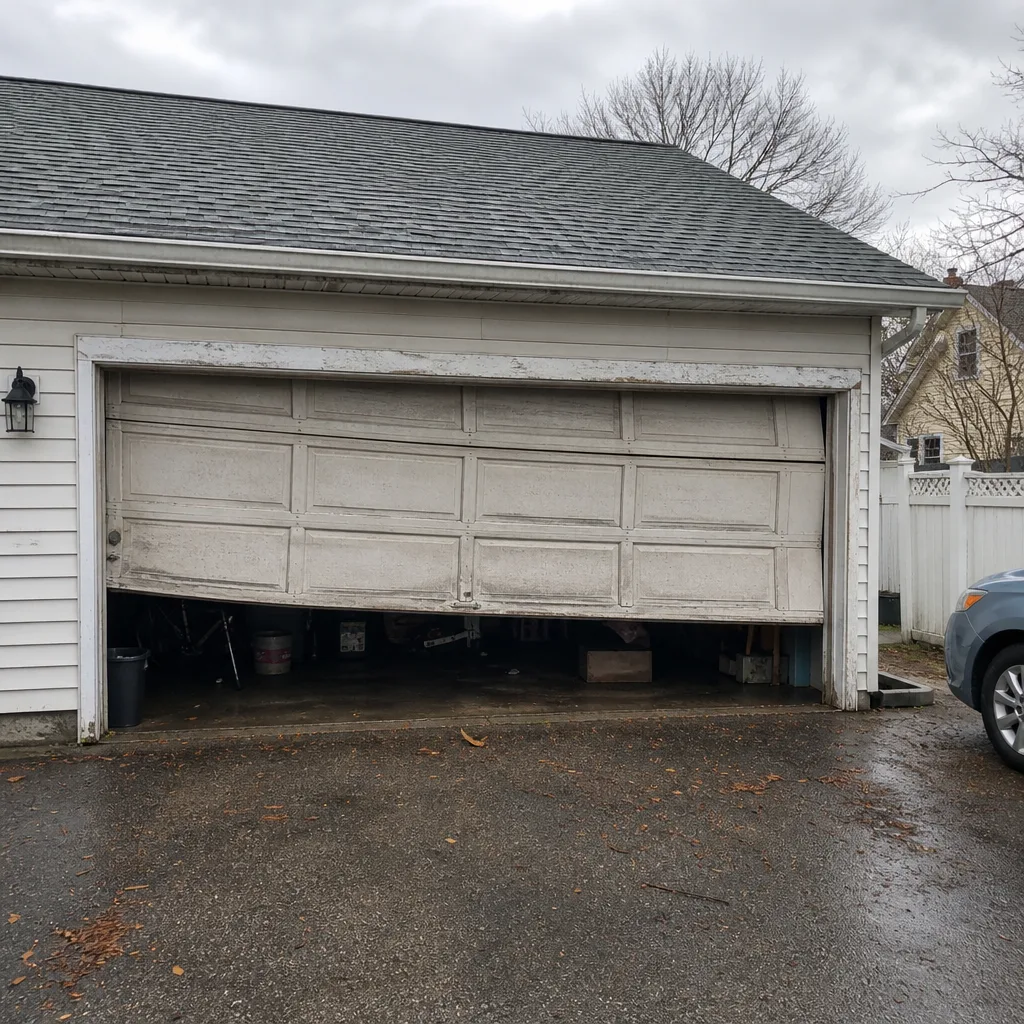 Before
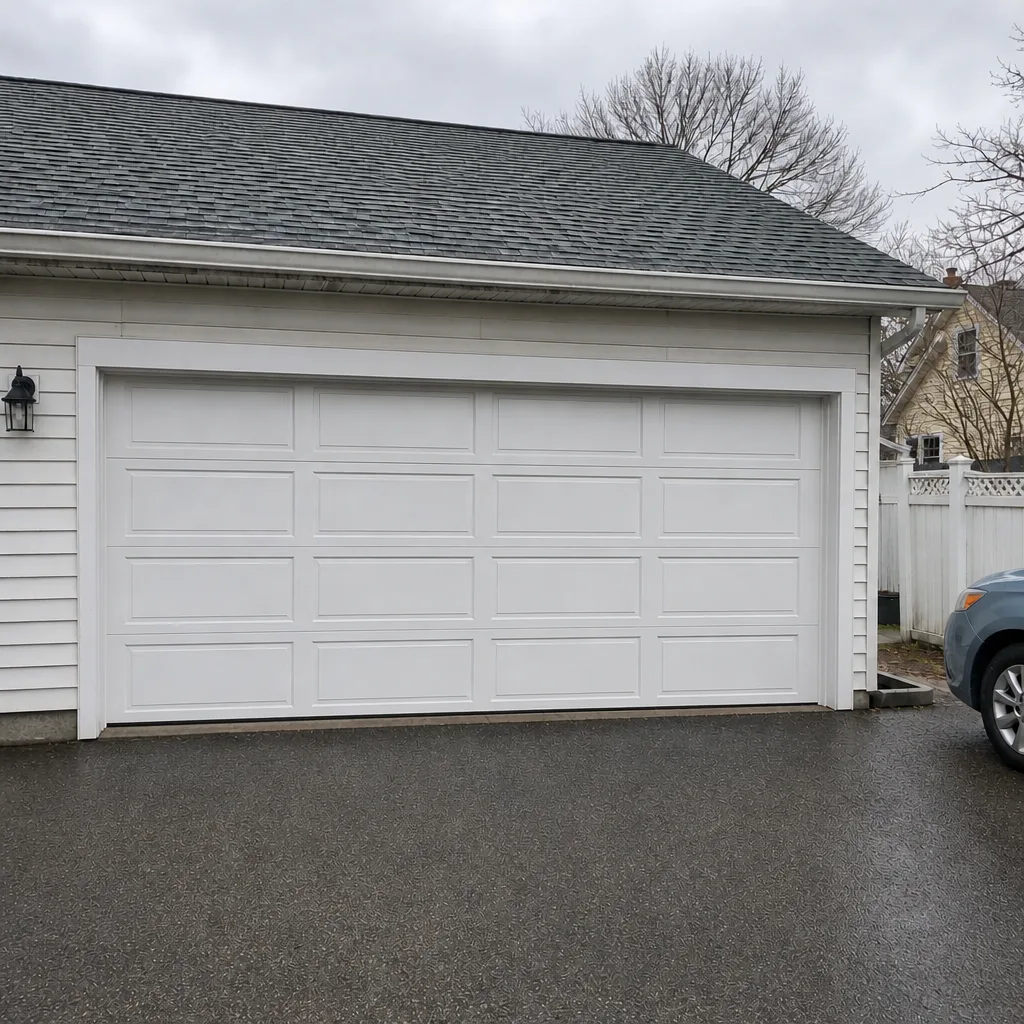 After
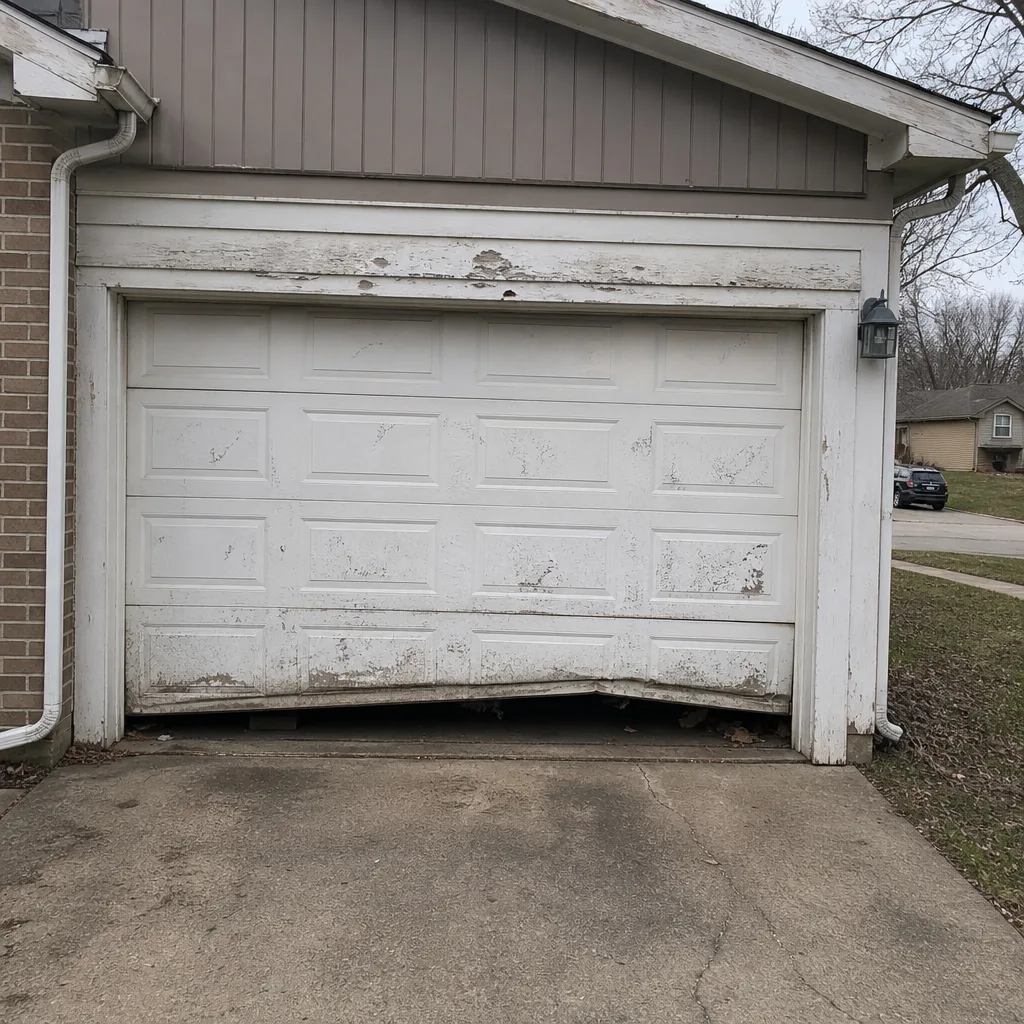 Before
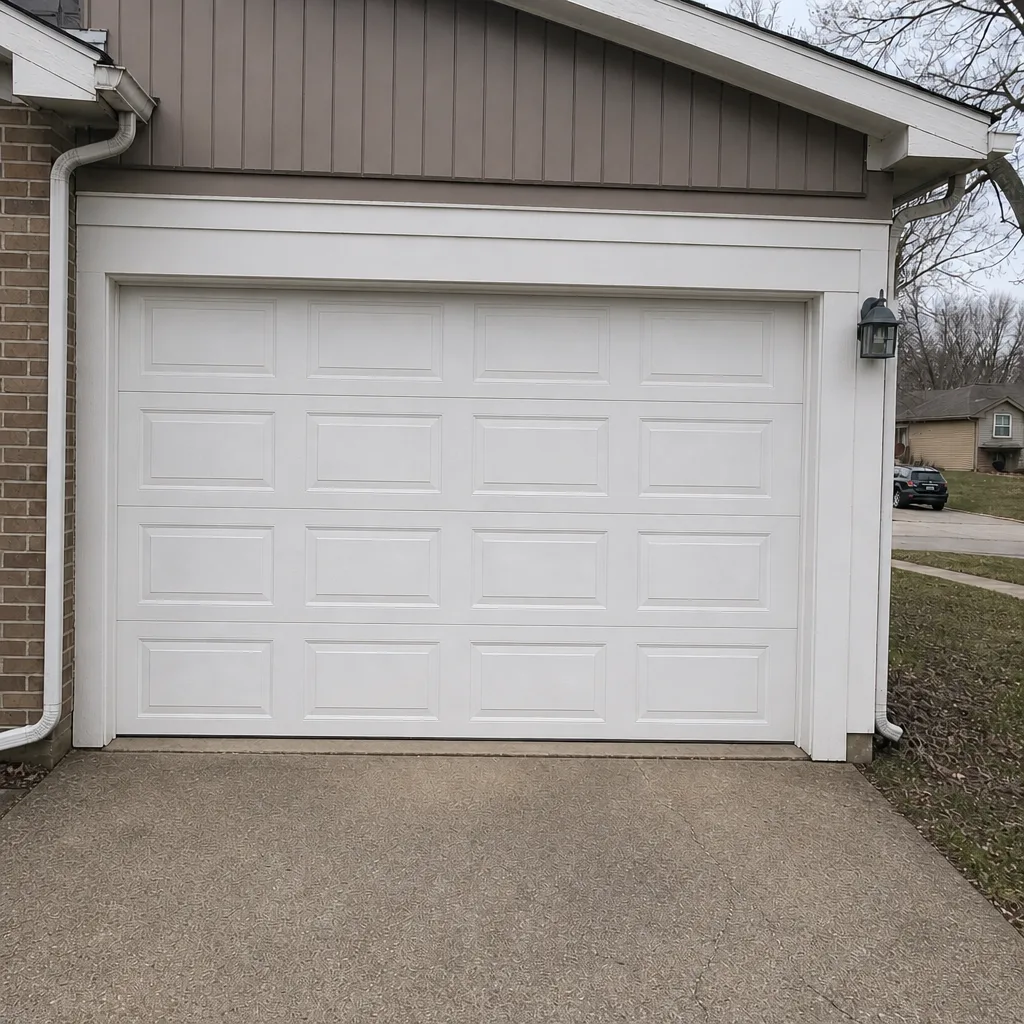 After
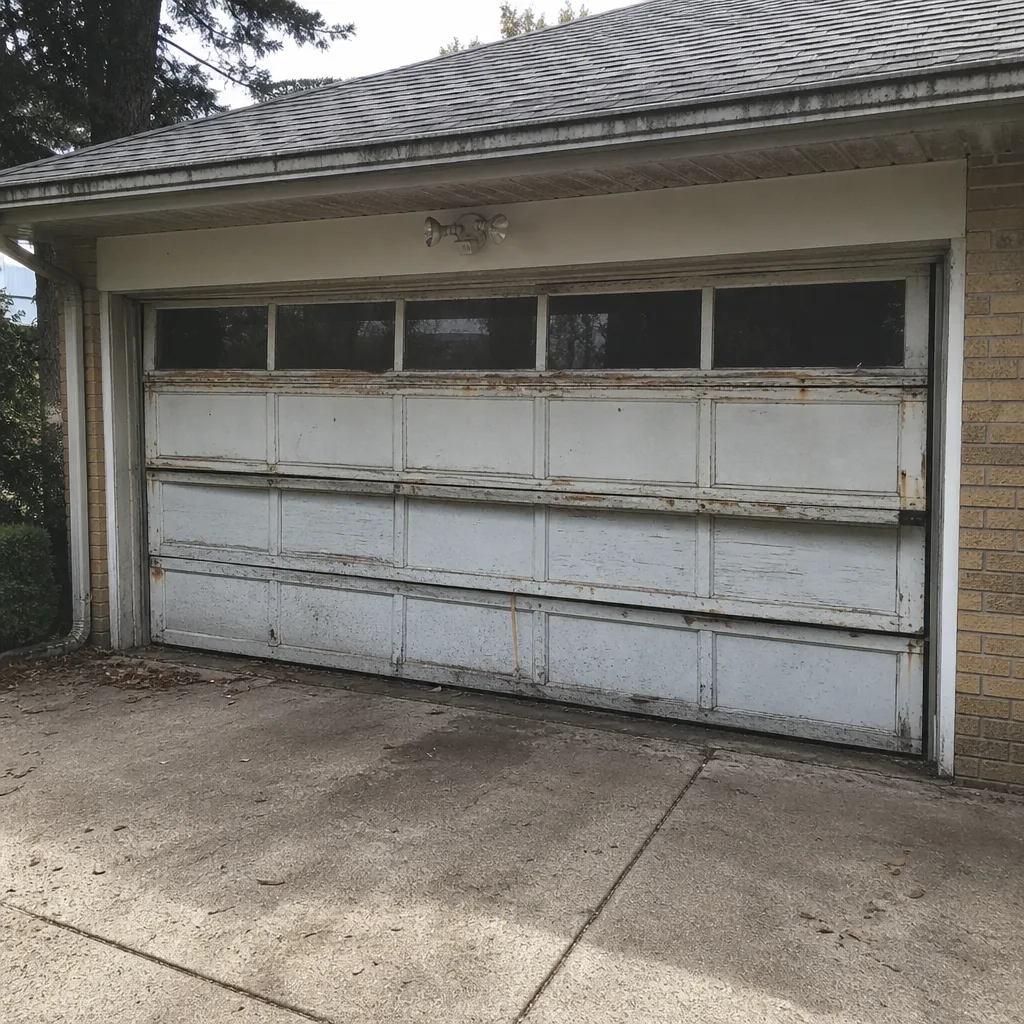 Before
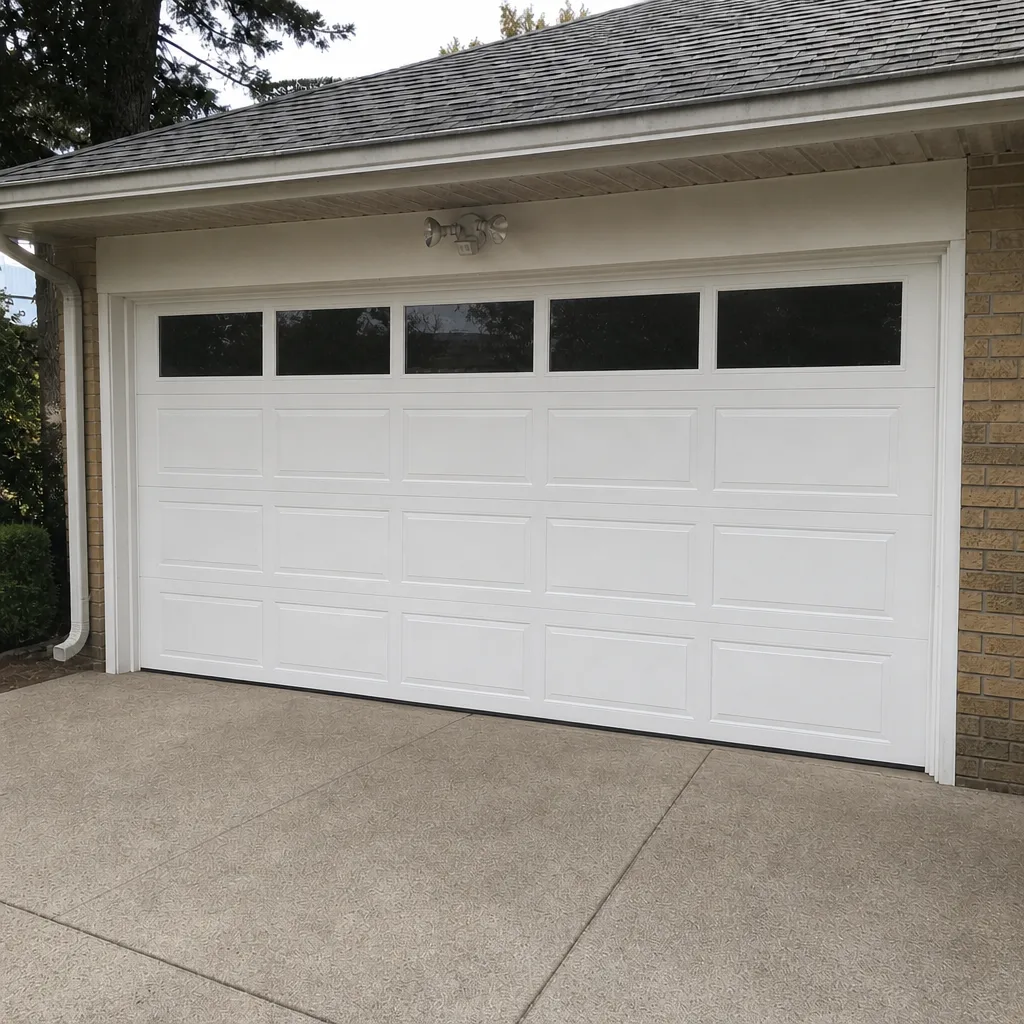 After
When to Call a Professional
Call a professional when the door won’t open or close, when a spring or cable has snapped, when the door comes off its track, or when the opener runs but the door doesn’t move. Those are the cases where a wrong fix can make things worse or cause injury. Call immediately if you see a frayed cable or a broken spring; do not run the door again until a technician has looked at it. For repairs that can’t wait, our Crystal Lake Garage Door Repair Pros team handles emergency garage door service, and the local pros we connect you with are licensed and insured as the state requires. Crystal Lake Garage Door Repair Pros offers free estimates in Crystal Lake, and every price is quoted and agreed before any work starts. Call (844) 493-4287 for help today.
Frequently Asked Questions
A single torsion spring replacement in Crystal Lake typically runs $180 to $340, and a matched pair costs about twice that. We replace springs as a pair when they’re matched by age because the second spring usually fails within weeks of the first. The written estimate sets the final price, and you’ll see it before any work begins. Call (844) 493-4287 for an exact quote.
Yes, in most cases we can. A broken spring, a stuck door, or an opener that won’t respond is usually a same-day job. Call (844) 493-4287, and a technician can be dispatched to your Crystal Lake home. Fast dispatch runs from 7am to 7pm, Sunday through Friday, and we answer the phone 24/7.
No. The estimate is written and agreed before any work starts, and the price you see on the estimate is the price you pay. The only time it changes is if we uncover something genuinely hidden, like a rotted jamb or a bent track, and in that case we tell you before we proceed. We never start work you haven’t approved.
Yes. The independent local professionals we connect you with are licensed and insured as the state requires. Our technicians have up to 13 years of experience and work exclusively on garage doors, which means the person at your door knows the trade and isn’t splitting time across other services.
Yes. We service and repair doors and openers from Amarr, Raynor, Wayne Dalton, Clopay, LiftMaster, Chamberlain, Genie, and Craftsman. That range covers most of the systems installed in Crystal Lake homes, so the technician arrives already familiar with your brand and the parts your door uses.
That depends on the city and the scope of the work. Many cities require a permit for a full door or track replacement, and some don’t. Ask the City of Crystal Lake building department before you order, and we’ll give you a written scope of work you can bring to them for the answer.
The Bottom Line
Garage doors fail on a schedule, and Crystal Lake’s freeze-thaw climate keeps that schedule tight. The five components that do most of the failing are springs, cables, rollers, hinges, and the opener, and each has its own warning signs. Repair is usually $95 to $650, a residential replacement runs $850 to $3,400 installed, and the written estimate sets the price. If you live in an HOA subdivision, get the guideline before you order. If your spring breaks, don’t force the door. Knowing how the system works is what turns a 6 a.m. panic into a routine call.
Garage door problems rarely wait for good weather. When your door won’t move, call (844) 493-4287 for a free estimate. We answer 24/7, and fast dispatch from 7am to 7pm runs Sunday through Friday. Whether it’s a snapped spring, an opener that’s given up, or a brand-new door you’re planning for next season, we’ll measure, quote, and agree the price before anything starts.
Written by the team at Crystal Lake Garage Door Repair Pros.