
Last updated November 22, 2026
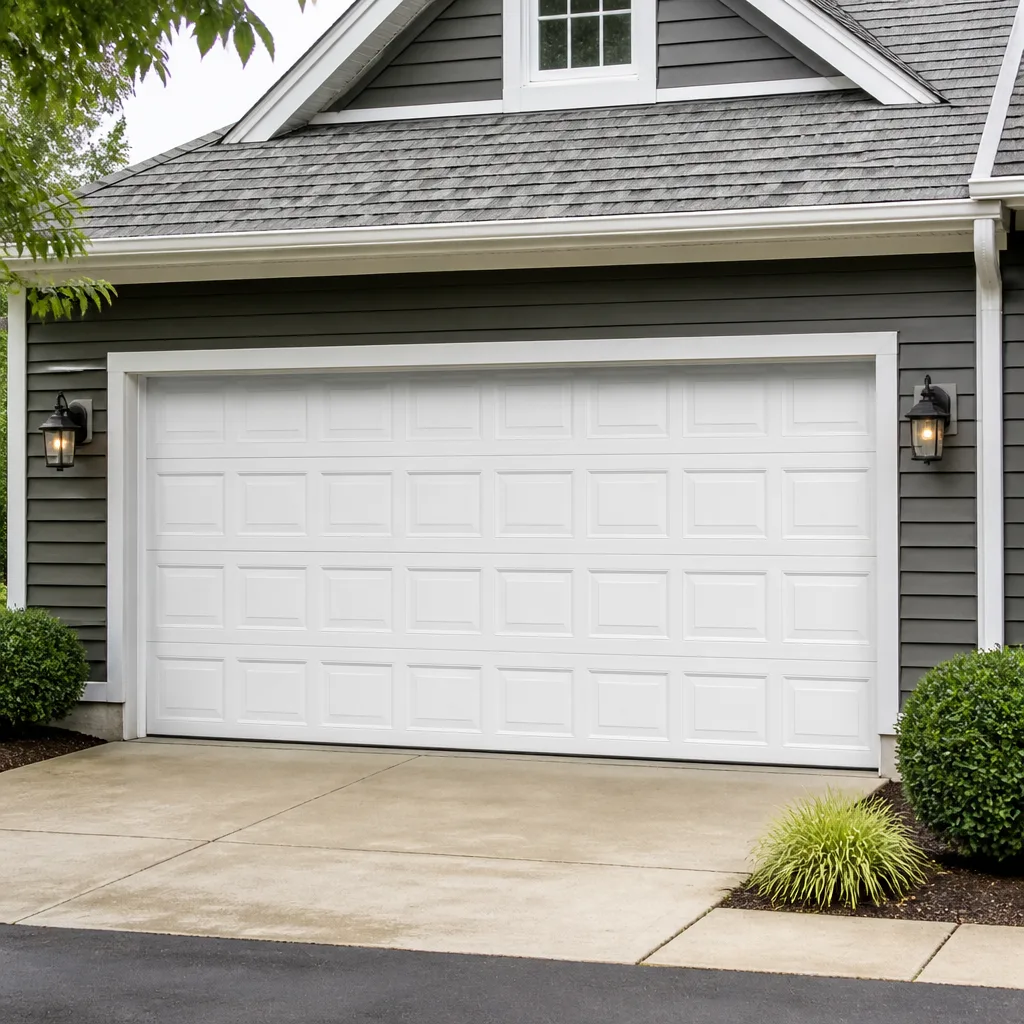 Raised-panel steel
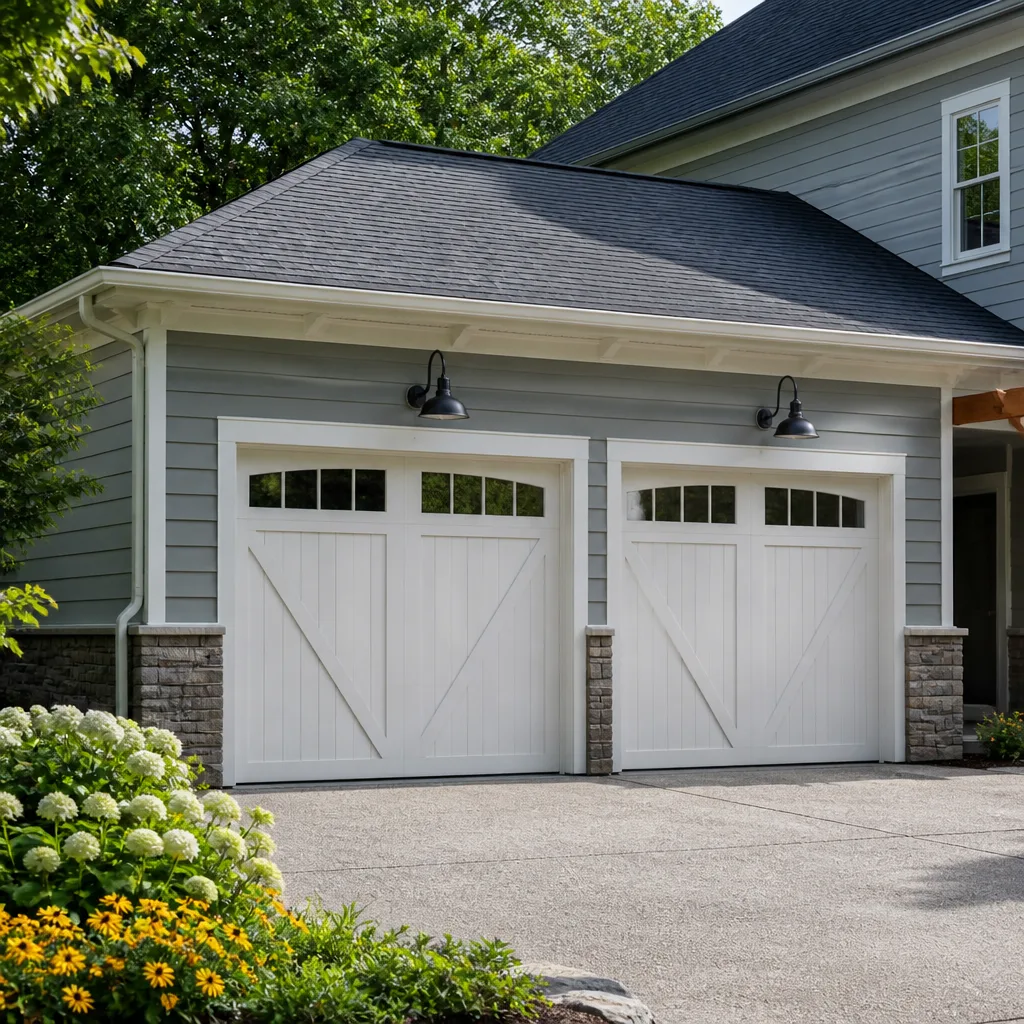 Carriage house
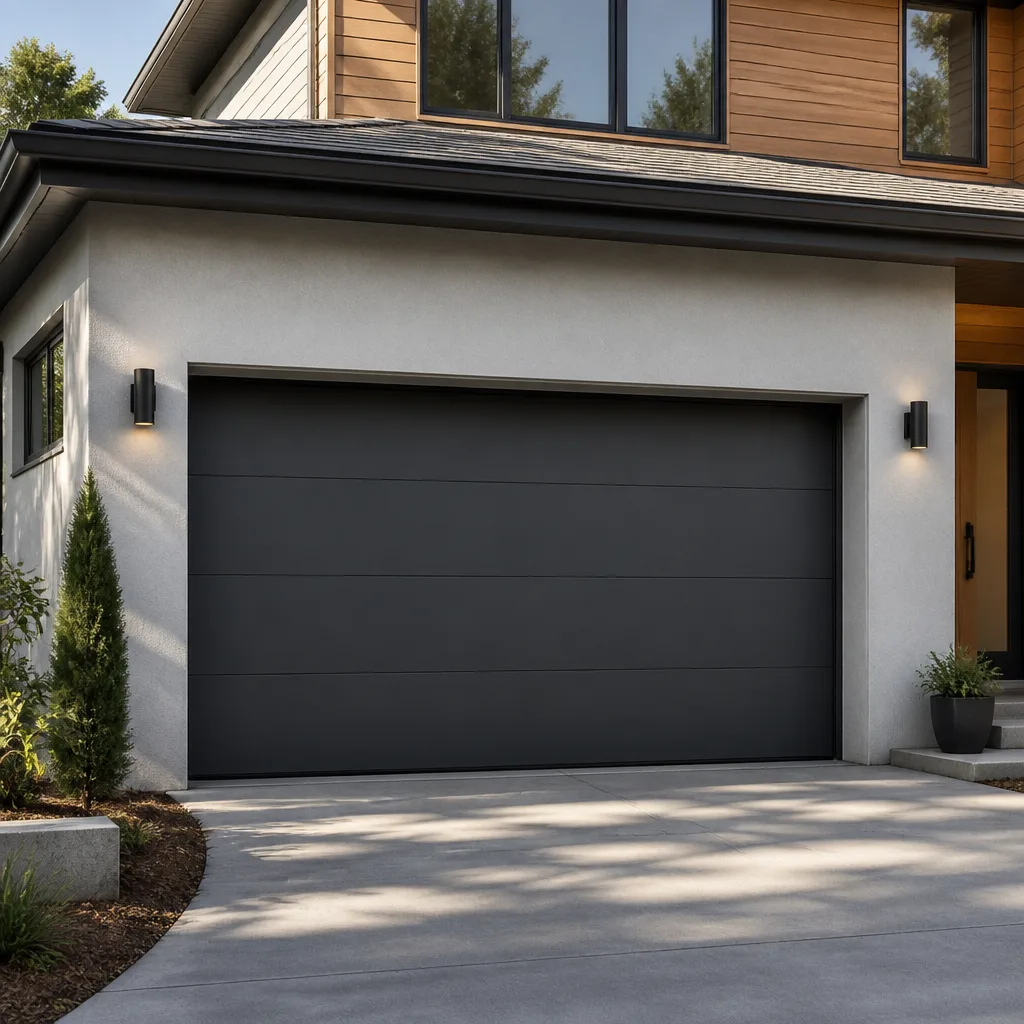 Modern flush
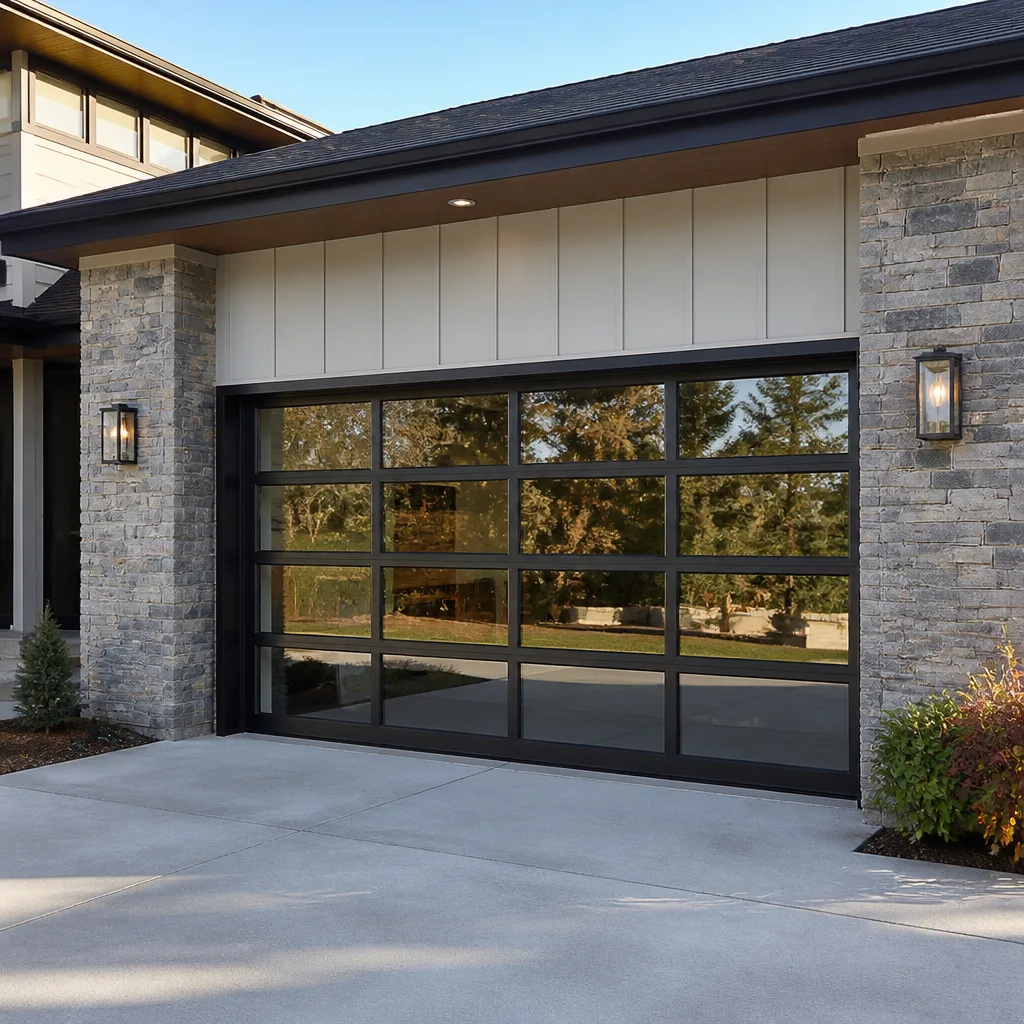 Full-view glass
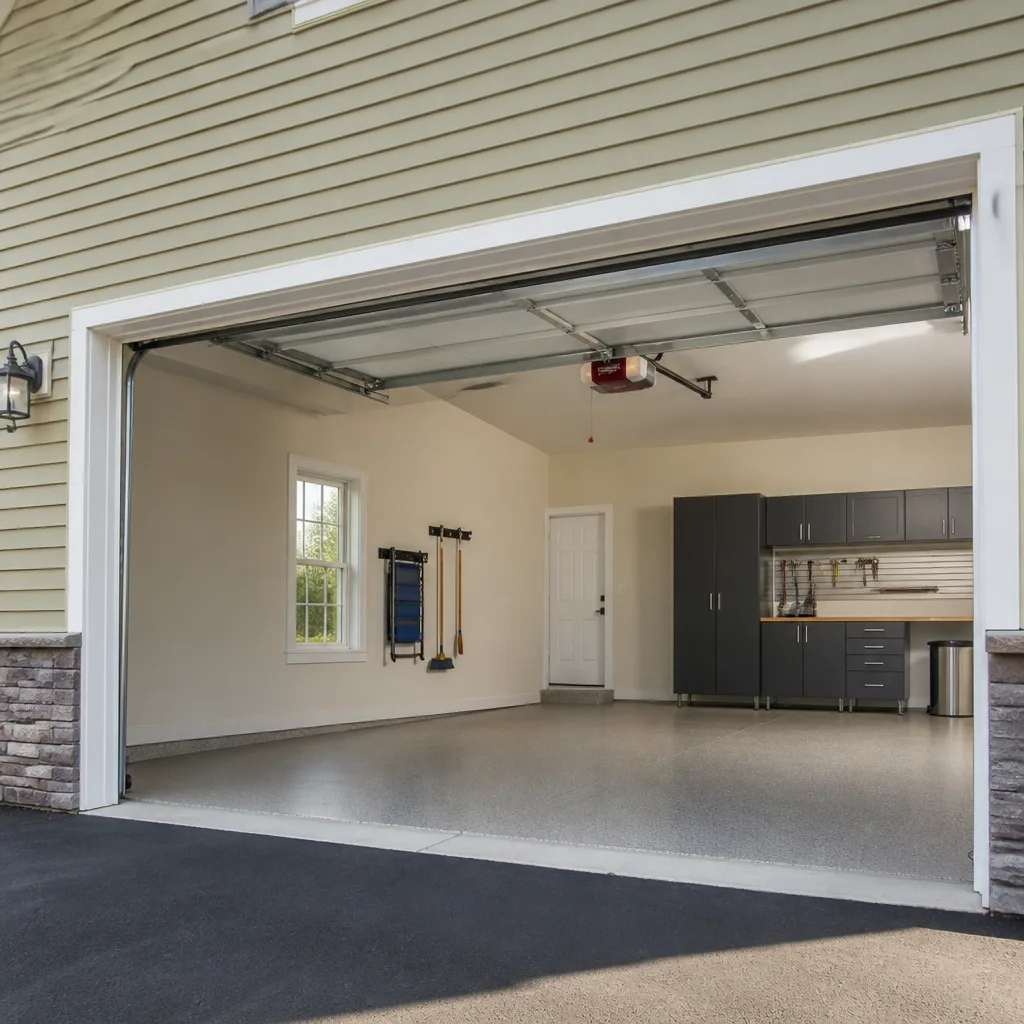 LiftMaster openers
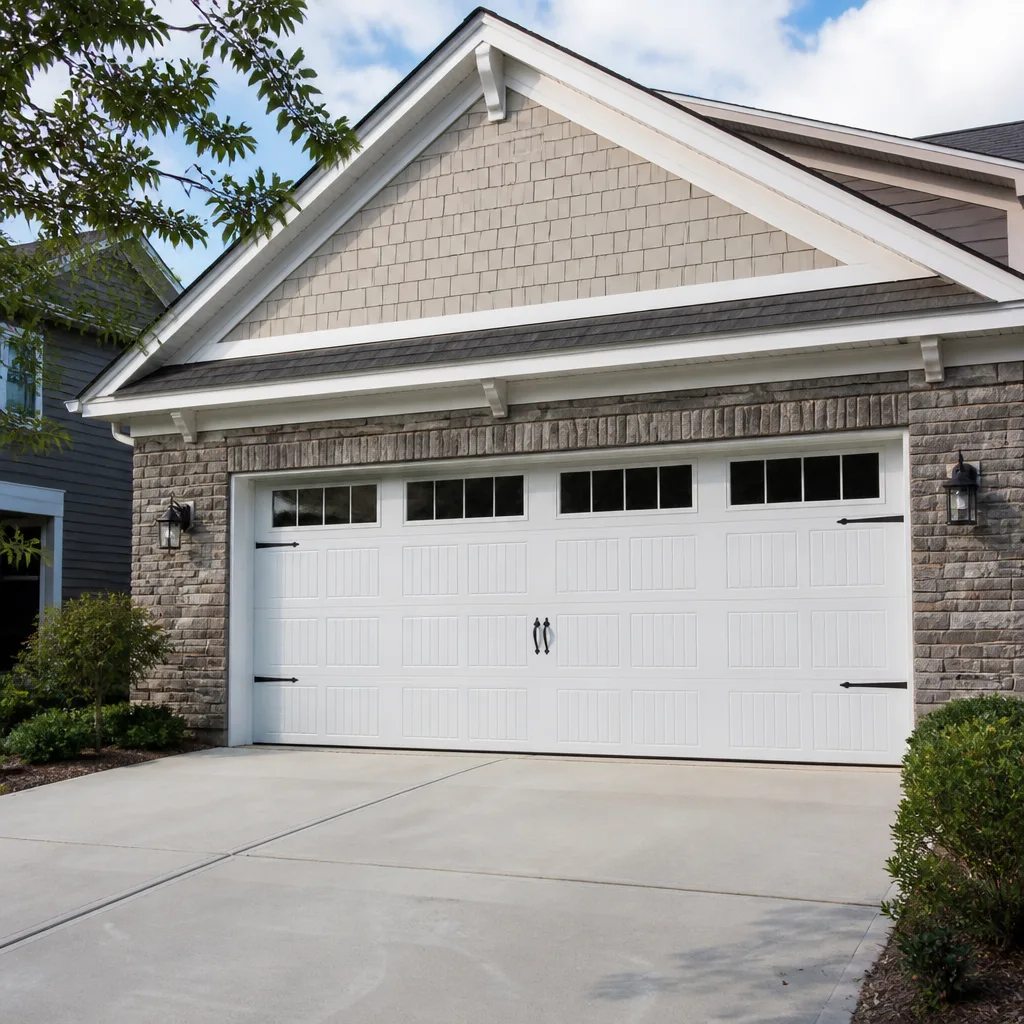 Chamberlain openers
Full 25-point door and opener safety check with every visit - springs, cables, rollers, tracks, and your LiftMaster or Chamberlain opener included
You get a price before we start. It does not change when the pro arrives.
Get your free estimateGarage Door Repair Troubleshooting in Crystal Lake: Common Problems and How to Fix Them
A noisy garage door and a silent garage door can have the exact same root cause. That’s the part most troubleshooting guides get wrong. A door that grinds on its way up and a door that hangs frozen halfway both often trace back to a worn torsion spring that’s no longer balancing the door’s weight. Treat the noise as one problem and the silence as another, and you’ll chase the wrong fix. What matters is learning to read the whole system: spring, cables, track, rollers, and opener all working as one machine. In this guide we’ll show you how to trace the failure chain step by step, what’s safe for you to check on your own, and what should send you straight to a trained technician in Crystal Lake.
Quick Answer
Most garage door problems in Crystal Lake come down to one of five failures: a broken or worn torsion spring, a snapped or off-track cable, a misaligned track, worn rollers, or an opener that’s lost its logic or force settings. You can identify which system failed in under a minute using the manual release cord and two simple tests, but spring and cable problems carry real injury risk and should go to a trained professional. If the door is stuck, off its track, or hanging uneven, stop operating it.
Styles & brands we work with
- Raised-panel steel
- Carriage house
- Modern flush
- Full-view glass
- LiftMaster openers
- Chamberlain openers
Table of Contents
- How to Trace the Failure Chain in Under 60 Seconds
- Opener Failure or Mechanical Failure? The Release Cord Test
- Why Crystal Lake Freeze-Thaw Cycles Create Specific Door Problems
- The Force Test and Balance Test: Is Your Spring the Real Culprit?
- Multi-Component Failures: When One Broken Part Hides Another
- DIY-Safe Checks vs. Stop-Now Repairs
- Symptom-to-Cause Chart
- When to Call a Professional
How to Trace the Failure Chain in Under 60 Seconds
The fastest way to understand a garage door that won’t work is to stop thinking about the symptom and start tracing the chain of power and movement. Power runs from the opener to the door, but the door itself is balanced by springs and held square by cables and tracks. When any link in that chain fails, the whole door behaves differently, and the symptom you notice is usually not where the failure lives.
Here’s the sequence we run through, and the one we’d suggest you run through before you call anyone:
- Look at the door’s position. Is it fully closed, fully open, or hanging crooked halfway? A crooked door almost always points to a cable or spring failure, not an opener problem.
- Look at the springs. On a torsion system the spring sits on the bar above the door. A visible gap in the coil means it’s broken. On an extension system the springs run along the horizontal tracks. A stretched, dangling spring means failure.
- Look at the cables. Both cables should be under tension and seated in the drums. A cable hanging loose or wrapped off its drum is a stop-now indicator.
- Listen for the opener. If the opener motor runs but the door doesn’t move, the problem is likely in the door’s mechanical parts. If the opener is silent, the problem may be electrical or in the opener itself.
- Check the safety sensors. A misaligned or dirty photo-eye near the floor stops a door from closing and is the single most common “it just won’t close” call we get around Crystal Lake.
That five-step check tells you which system to look at next. It won’t tell you how to fix it, and that’s the point: diagnosis is separate from repair. If you want the repair handled directly, our garage door repair team works on all major makes and models, including Chamberlain, Genie, Clopay, and Amarr systems.
Opener Failure or Mechanical Failure? The Release Cord Test
The manual release cord is the most useful diagnostic tool on your entire garage door, and most homeowners never touch it. It hangs down from the opener rail and disconnects the door from the opener so you can open the door by hand. Used correctly, it tells you in seconds whether you’re dealing with an opener problem or a door problem.
Here’s how to use it as a test. With the door closed, pull the release cord. Then try to lift the door by hand, about halfway up, slowly and carefully. Don’t force anything. What happens next tells you where the failure is:
- The door lifts smoothly and stays put when you let go. The door and its springs are balanced. The problem is in the opener: motor, logic board, travel limits, force settings, or a safety sensor. That’s a job for garage door opener repair.
- The door is very heavy to lift, or it drops when you let go. The springs are not balancing the door. Spring failure is the likely cause, and you should lower the door gently and stop.
- The door binds, scrapes, or won’t move at all by hand. Something mechanical is jamming it: a track, a roller, or a cable. Stop and get help.
One caution before you try this: on a door with a broken spring, the full weight of the door is being held by cables and the opener. Do not pull the release cord on a door that’s already hanging crooked or that you suspect has a broken spring. That’s the one time the diagnostic test becomes dangerous. Call us instead and we’ll take it from there.
Why Crystal Lake Freeze-Thaw Cycles Create Specific Door Problems
Crystal Lake sits in a climate with real winters and real spring thaws, and that swings the failure pattern in ways national troubleshooting guides never mention. Winter freeze-thaw cycles affect a garage door in three predictable ways, and knowing them helps you figure out whether your door is broken or just stuck.
Bottom seal freeze
The rubber bottom seal on your door can freeze to the concrete slab overnight. When the opener tries to lift, the door strains against the seal, the opener hits its force limit, and it reverses or stops. If your door fails to open first thing in the morning but works fine later in the day, a frozen seal is a strong suspect. You can often free it by gently working a plastic scraper under the seal, never a metal tool that could tear the rubber.
Cable slack from temperature swing
Cold contracts metal, and the cables on your door can lose tension as temperatures drop. When the thaw comes, the door’s balance can shift and a slack cable can jump off its drum. That’s why spring and cable issues tend to spike in Crystal Lake as the seasons turn. A cable that’s off its drum is a stop-now problem: don’t run the door.
Track and roller contraction
Cold makes the steel track contract slightly, and worn rollers that were fine in summer can start to bind and grind in January. If your door gets noisy only in cold weather, worn rollers are usually the reason. This is one of the more predictable seasonal patterns we see on Crystal Lake doors, and new nylon rollers usually quiet it right down.
Torsion springs also simply fatigue faster in a climate with wide temperature swings and heavy seasonal use. If you’re curious how long springs last and how the repair works, our guide to garage door spring repair covers the details.
The Force Test and Balance Test: Is Your Spring the Real Culprit?
Before you call anyone, two simple tests will tell you whether your spring is the real cause of the problem. Both use the manual release cord, and both take about a minute. They’re the same tests we use to confirm a diagnosis before we touch a spring.
The balance test
- Pull the manual release cord to disconnect the door from the opener.
- Lift the door by hand to about waist height.
- Let go, slowly and carefully.
- A balanced door stays exactly where you left it, or drifts only a few inches.
If the door drops quickly, or feels like you’re lifting forty pounds more than you should, your springs have lost their lift. That’s the sign the spring is the real culprit and the opener was only doing the job the spring used to do.
The force test
The force test is simply noticing how hard you have to pull. A properly balanced double door can usually be lifted with one hand. If you need both hands and real effort, the springs are worn. Don’t treat this as a workout and try to force the door up. If it’s heavy, lower it and leave it alone.
Once the door is manually down again, remember to reconnect the release before you use the opener, or the door will stay disconnected. If your tests point to the spring, that’s the moment to stop. A torsion spring is under enough tension to cause serious injury if it slips, and this is exactly the repair we treat as safety-critical rather than routine. Our technicians have up to 13 years of experience on this specific job, across brands like Clopay and Amarr.
Multi-Component Failures: When One Broken Part Hides Another
Here’s a pattern that costs homeowners money: one part breaks, gets fixed, and the door still misbehaves because a second, hidden problem was masked by the first. In our experience this is the single biggest reason a “fixed” door fails again a few weeks later. The parts on a garage door are interdependent, so a failure in one pushes extra stress onto the others.
Three common combinations to watch for:
- A broken spring hiding a damaged cable. While the spring was broken, the cables were taking the load. When the spring gets replaced, the weakened or stretched cable can fail next.
- A worn roller hiding a bent track. The door grinds because of the roller, but the real reason the roller wore out was that a slightly bent track was forcing it against the steel every cycle.
- An opener failure hiding a balance problem. The opener dies because it’s been fighting a door that’s out of balance for months. Replace the opener without fixing the springs and the new opener inherits the same strain.
The fix is to check the whole system, not just the part that visibly failed. When a technician looks at the door, ask them to check the rollers, cables, tracks, and balance along with the repair you called about. A careful diagnosis on the first visit is cheaper than two separate repairs. That’s what we mean when we say your door gets diagnosed right the first time.
DIY-Safe Checks vs. Stop-Now Repairs
Some garage door problems are safe for a careful homeowner to check and even fix. Others can cause serious injury if you touch the wrong part. Knowing the difference is what separates a quick fix from a trip to the emergency room.
Genuinely DIY-safe
- Cleaning and realigning the safety sensors near the floor.
- Resetting the opener after a power outage using the opener’s manual.
- Cleaning the tracks with a rag and checking for obvious debris.
- Lubricating rollers and hinges with a proper garage door lubricant.
- Clearing snow or ice from around the bottom seal after a storm.
- Replacing the opener’s battery and remote.
Stop-now, call a professional
- Torsion springs and the torsion bar. These are under extreme tension held by set screws and a winding system. If one slips, the stored energy can cause severe injury. Never wind, unwind, or remove a torsion spring yourself.
- Cable drums and cables. Cables are under constant high tension, and a cable cutting loose can whip across a garage with real force.
- A door that’s off its track. Trying to force a crooked door back into the track can bend the panel or drop the whole door.
- Replacing a section under a loaded spring. Any repair that involves the door’s balance while the spring is holding the load belongs with a trained technician.
If you’re not sure which category your problem falls into, treat it as stop-now and call. It costs nothing to ask, and a free estimate beats a preventable injury.
Symptom-to-Cause Chart
Here’s a quick reference from what you notice to where the problem usually lives. Use it to narrow down the conversation with a technician, not to fix anything yourself.
- Loud bang from the garage, then door won’t lift. Broken torsion spring. Stop using the door.
- Door opens a few inches and reverses. Safety sensor misalignment or a door that’s out of balance.
- Door drops when you let it go by hand. Worn or broken springs.
- Opener runs but door doesn’t move. Disconnected release, stripped gear, or a mechanical jam.
- Door grinds in cold weather only. Worn rollers or contracted track.
- Fails to open on the first cold morning. Frozen bottom seal.
- Door hangs crooked. Cable off its drum or a broken spring. Don’t run the door.
- Opener light works, but door won’t respond to remote. Remote battery, opener logic, or a stuck wall control.
- Door reverses on closing over nothing. Dirty or misaligned photo-eye.
This chart is a starting point, not a diagnosis. A trained technician can confirm the exact cause in minutes, and our team is familiar with how Crystal Lake weather affects each of these failure modes. We work on your brand, from LiftMaster openers to Amarr doors, and we’re 100% garage door focused, not a general home service outfit.
See the difference
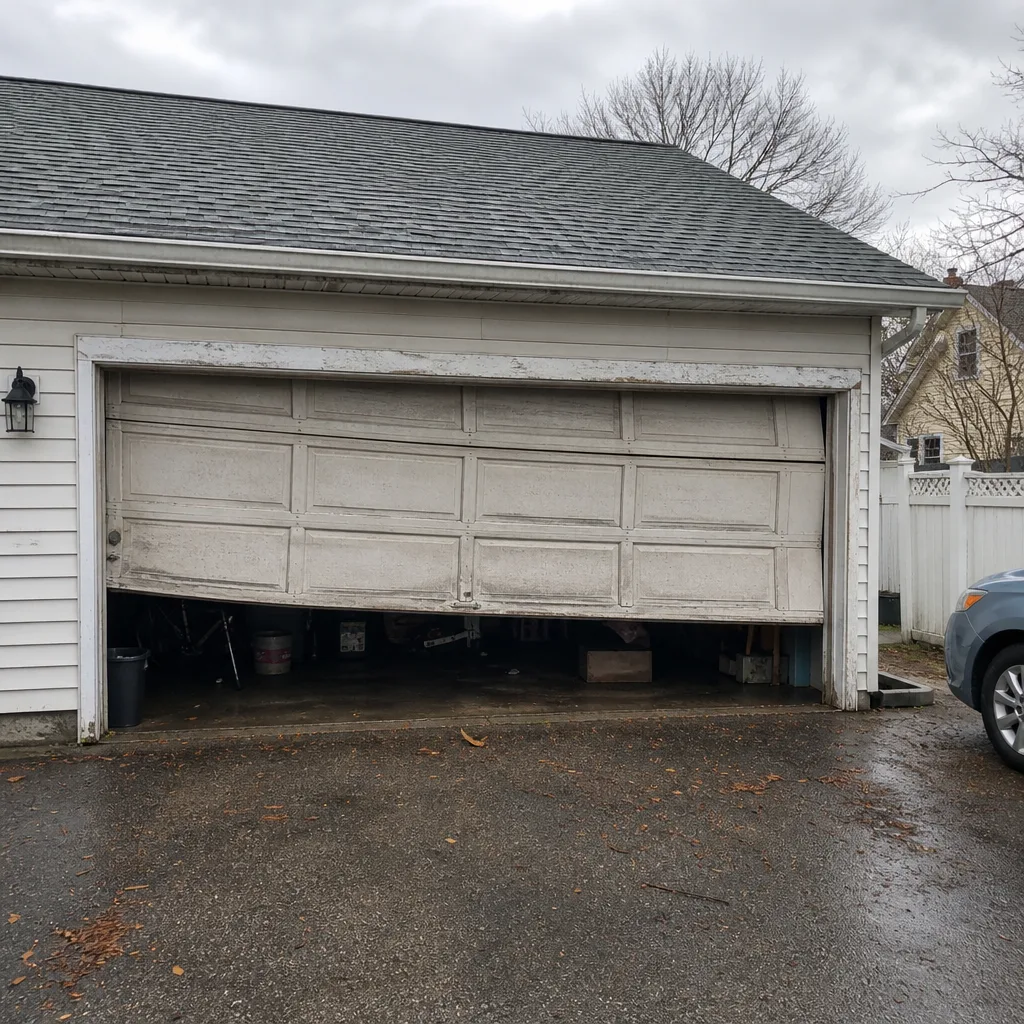 Before
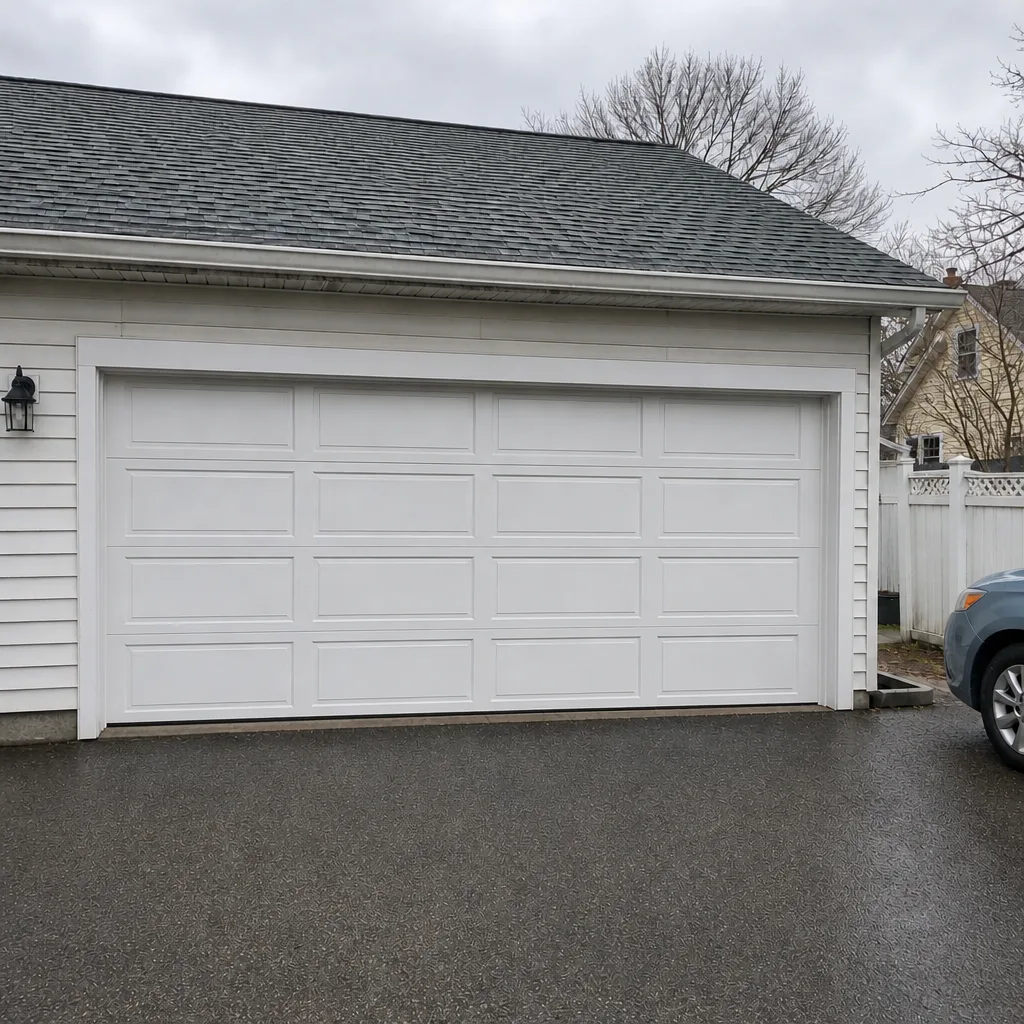 After
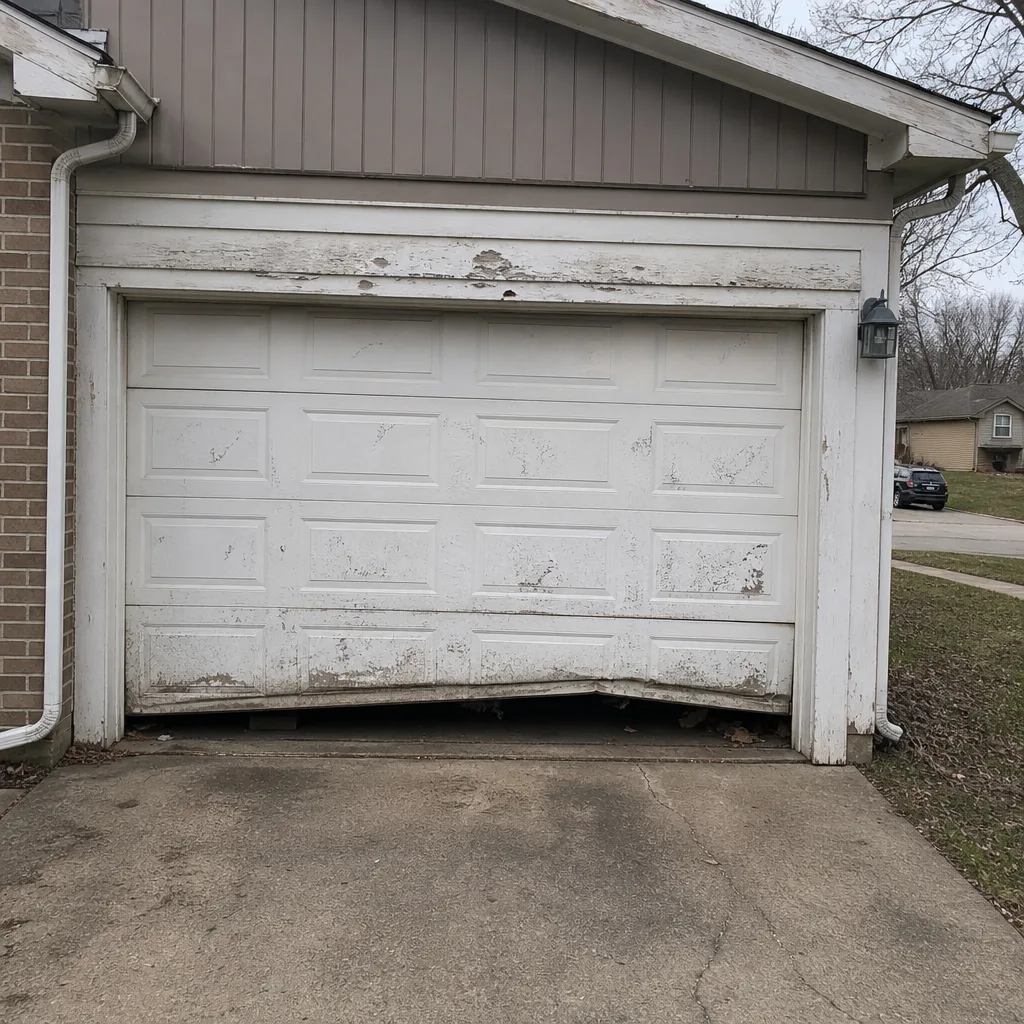 Before
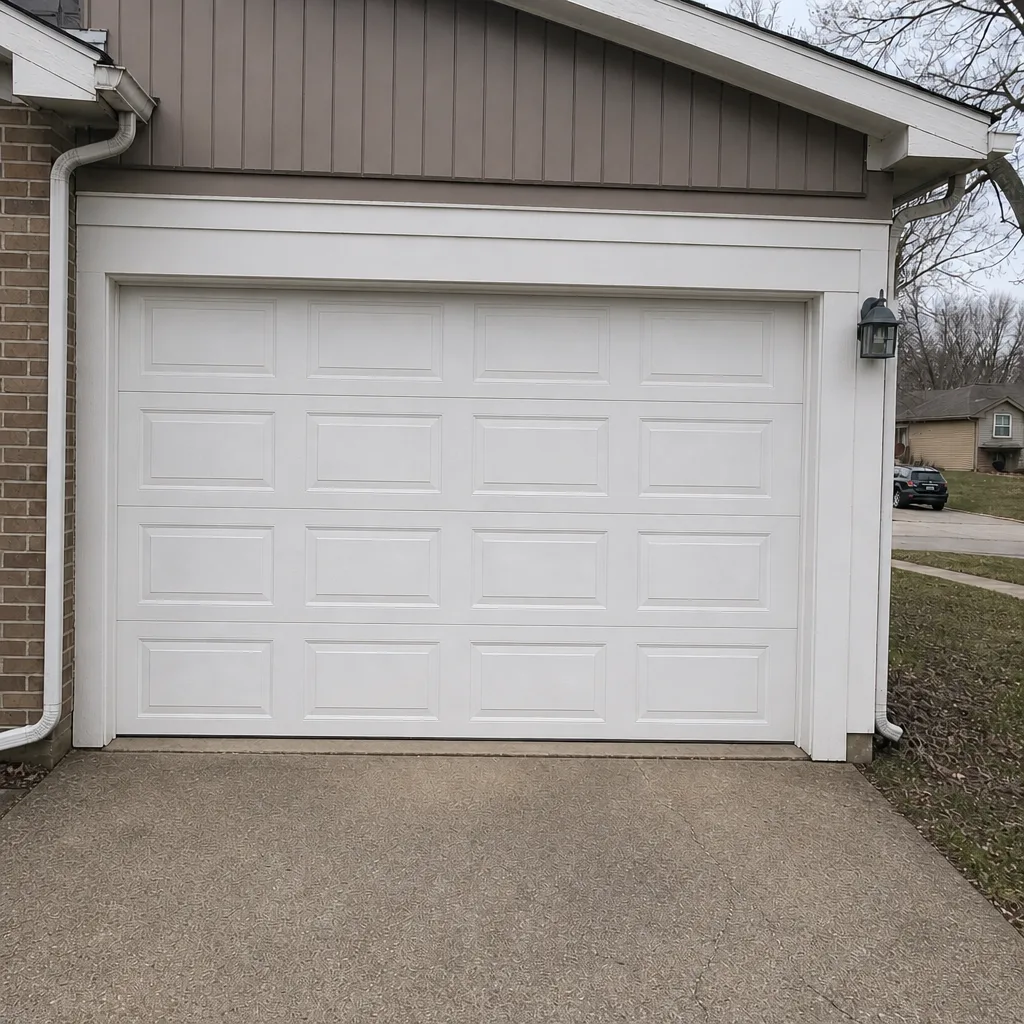 After
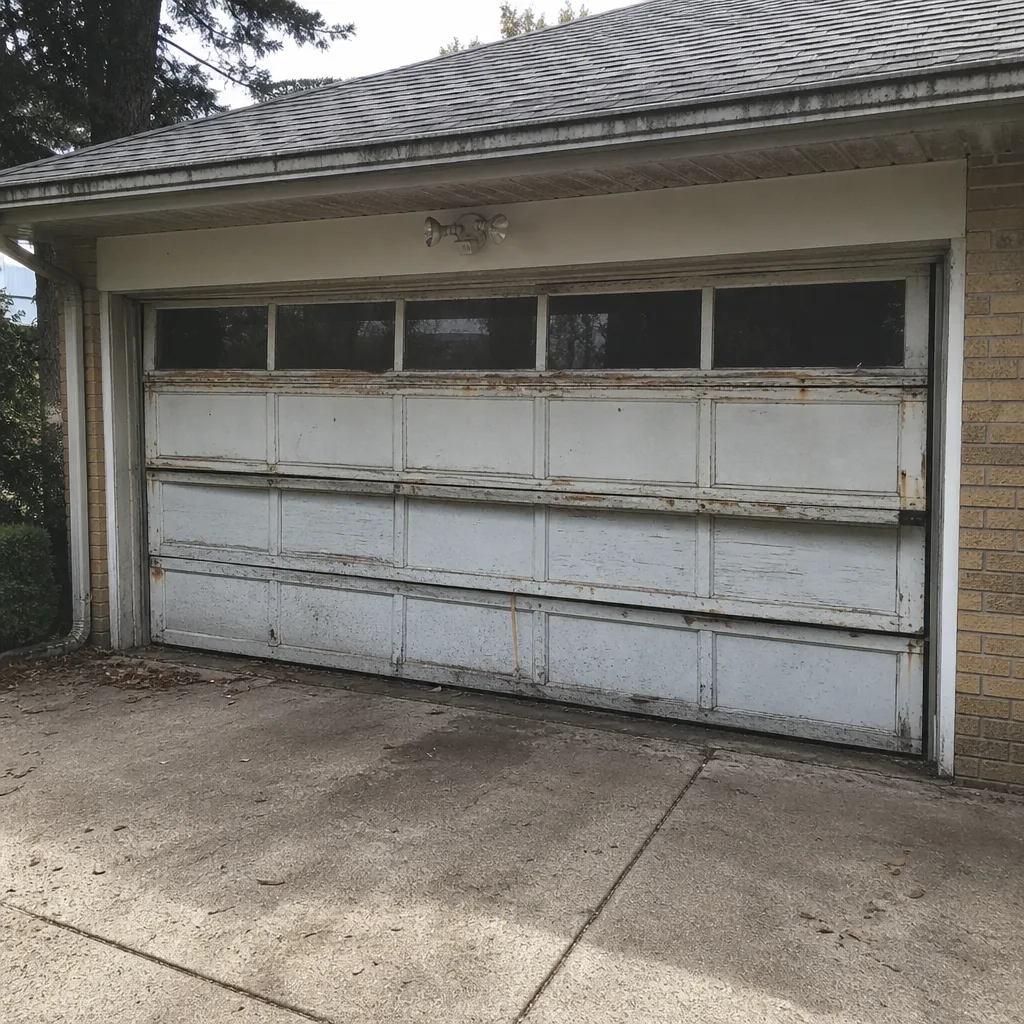 Before
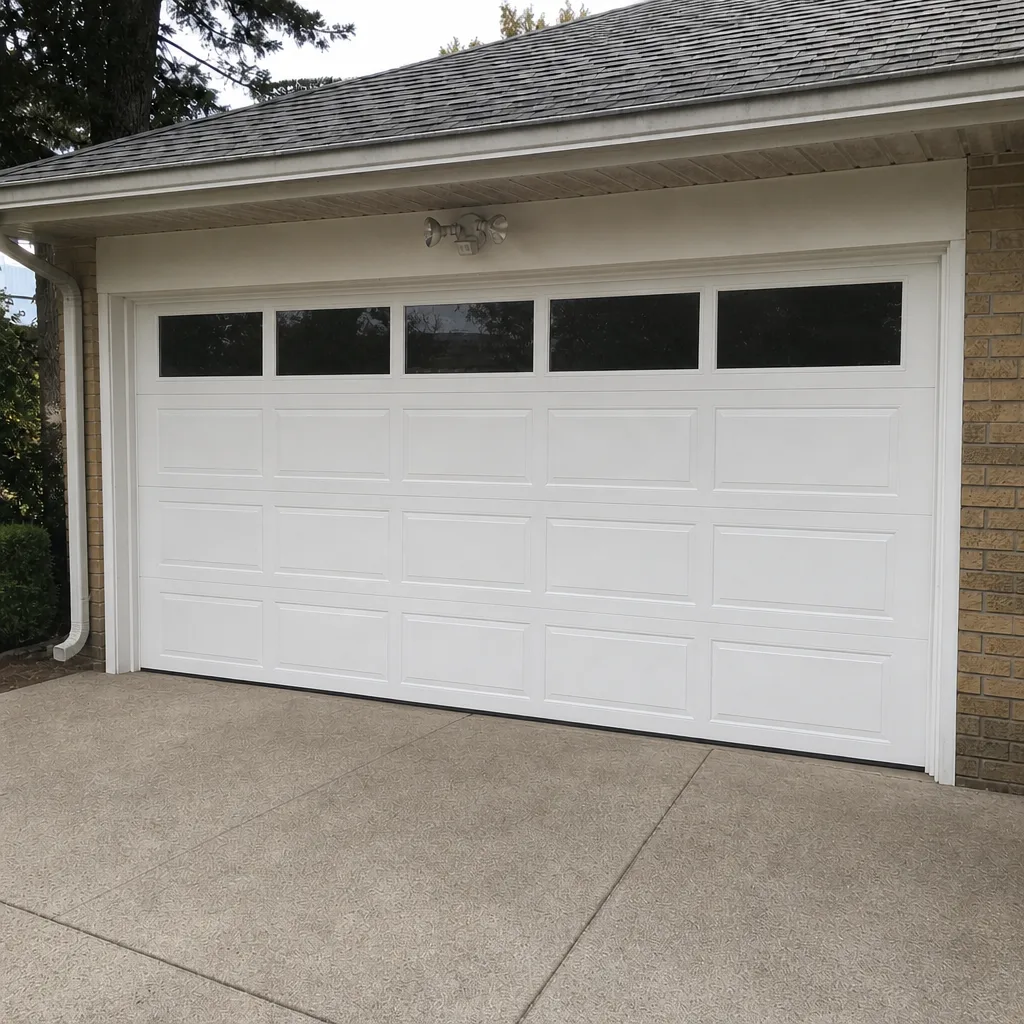 After
Common Mistakes to Avoid
- Assuming a silent door means the opener died. A silent door is often just a release that got bumped or a safety sensor that’s been knocked out of alignment. Check the simple things first.
- Fixing the visible part and ignoring the hidden one. Replacing a broken spring without checking the cables and rollers means the second failure is already waiting.
- Pulling the manual release on a door with a broken spring. The door can crash down. That test is for balanced doors only.
- Spraying WD-40 on the tracks or springs. It attracts dirt and dries out the lubricant you do want. Use a proper garage door lubricant on the rollers and hinges, not the tracks.
- Increasing the opener force setting to push through a heavy door. That masks a balance problem and wears out the opener, the gears, and the door along with it.
- Ramping up the opener travel limits to force a door past a frozen seal. You’ll strain the opener and strip the drive gear. Clear the ice or call us.
- Waiting through a Crystal Lake winter with a noisy door. Winter is when cold-weather wear turns into a real failure. A cheap roller replacement now beats a full opener replacement in February.
When to Call a Professional
Call us when the door hangs crooked, when you hear a loud bang and the door won’t lift, when you see a gap in the spring coil, or when the door is off its track. Call us if the opener motor runs but the door doesn’t move on a balanced door. Call us when your force and balance tests point to the spring, or when you’d rather not run the tests at all. Our technicians have up to 13 years of experience and are familiar with Chamberlain, Genie, Clopay, and Amarr systems, among others. Crystal Lake Garage Door Repair Pros offers free estimates in Crystal Lake, and we answer 24/7. Call (844) 493-4287. Fast dispatch from 7am to 7pm, Sunday through Friday. The price is set by a written estimate before any work begins, so you know the number before we touch the door.
Frequently Asked Questions
Look at the torsion spring above the door. A visible gap in the coil means it’s broken, and a loud bang followed by a door that won’t lift is the classic sign. Don’t try to open the door. A broken spring can let the full weight of the door drop, and the repair is safety-critical work for a trained technician. Call (844) 493-4287 for a free estimate.
Yes, most repair calls in Crystal Lake can be handled the same day. We answer 24/7, and a call outside dispatch hours is booked into the next opening, Sunday through Friday, 7am to 7pm. Spring and opener repairs are usually straightforward once we’ve confirmed the diagnosis. Call (844) 493-4287 and we’ll tell you the earliest opening.
It’s usually a frozen bottom seal or a track that contracted in the cold. The rubber seal can freeze to the concrete overnight, and the opener hits its force limit and reverses. Try clearing the ice gently, and if the door still binds, the spring or rollers may be worn. Call us and we’ll diagnose it.
No. Torsion springs are under extreme tension, and a slip can cause serious injury. This is the one repair we always tell homeowners to leave alone. A trained professional has the winding tools and the experience to do it safely. Call (844) 493-4287 for a free estimate.
Pull the manual release cord on a balanced door and lift it by hand. If it lifts smoothly, the door is fine and the opener is the problem. If it’s heavy or drops, the springs are the issue. Don’t pull the release on a door you suspect has a broken spring. Call us if you’re unsure.
No. We quote the price before any work starts, and the written estimate sets the final price. If we find a second hidden problem, like a worn cable behind a broken spring, we’ll walk you through it and agree the price before we continue. Call (844) 493-4287 and estimates are free.
The Bottom Line
Troubleshooting a garage door is about tracing the system, not chasing the symptom. If the door is noisy but balanced, suspect rollers or track. If it’s silent but the opener runs, suspect the release or the springs. If it’s crooked, stop. The manual release cord, the balance test, and a quick look at the spring gap will tell you more in a minute than a national guide ever will. Crystal Lake’s freeze-thaw swings add their own patterns, so pay attention to problems that show up only in cold weather. Leave the springs and cables to a trained technician, and get the estimate in writing before any work begins.
Written by the team at Crystal Lake Garage Door Repair Pros.